
Mammal · GBIF taxon 2437232
Black-tailed Prairie Dog
Cynomys ludovicianusAlso known as Prairie Dog, Blacktail Prairie Dog
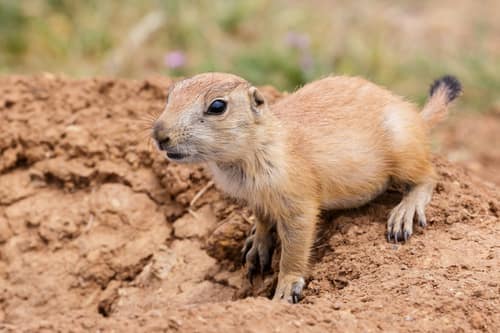
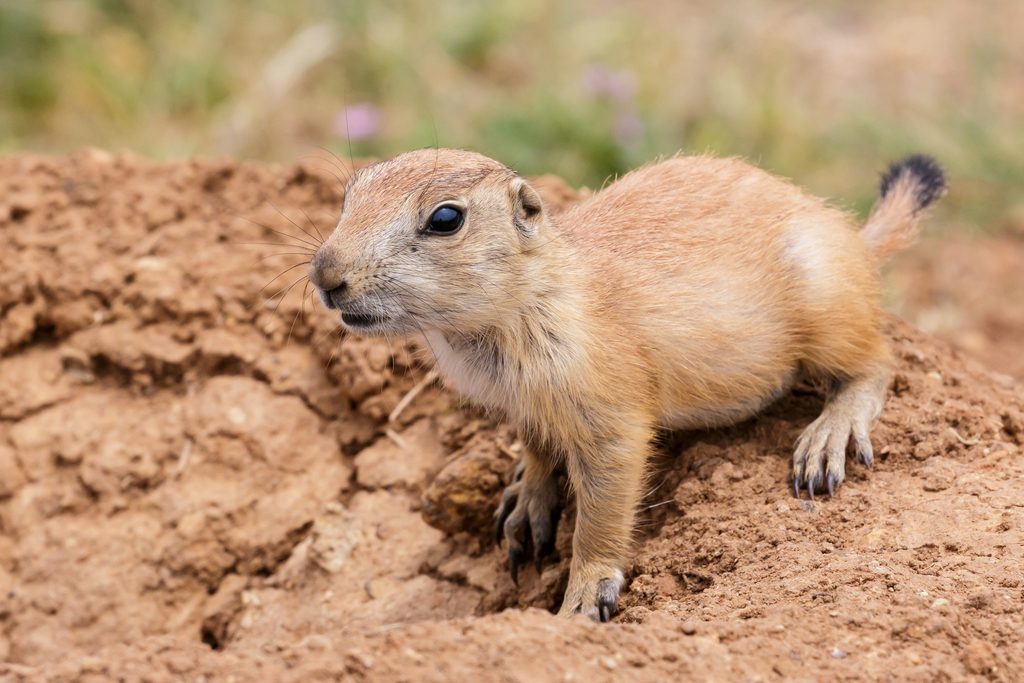
Black-tailed prairie dogs are highly social rodents that live in extensive underground colonies called towns, organized into tight family groups known as coteries. They communicate using a complex system of sharp alarm barks and a distinctive head-up yip-jump display to signal safety or territorial boundaries. As keystone species of the Great Plains, their extensive burrowing aerates the soil and creates vital habitat for dozens of other grassland animals.
SocialBurrowingKeystone Species
 1 / 7
1 / 7—observations
—countries
—peak records
Least ConcernConservation statusIUCN Red List categoriesLCNTVUENCREWEXLeast ConcernRed List categories, explained →
Diet & prey
- Grasses
- Forbs
- Roots
Predators
- Black-footed Ferret
- Coyote
- American Badger
ThreatsHabitat destruction, sylvatic plague, historical eradication programs
HabitatsShortgrass and mixed-grass prairies, plains, shrub-steppes
Life span3–5 years in the wild, up to 8 years in captivity
Size / weightNot available
Classification
- OrderRodentia
- FamilySciuridae
- GenusCynomys
- SpeciesCynomys ludovicianus
Range data is not available yet.
Interaction riskModerate
- Low
- Moderate
- High
- Very high
- Why interaction risk is moderate
- May carry plague-bearing fleas and can deliver a severe bite; observe from a safe distance.
- Why it is dangerous
- Hosts fleas that can transmit sylvatic plague (Yersinia pestis) and will bite defensively if cornered or handled.
- How to recognize a risky encounter
- Stout tan body with a distinctive black tip on the tail, found around mounded earth burrows.
- What to do
- Maintain a distance of at least 10 meters and never reach into burrow entrances or handle wild individuals.
- What to notice
- Visible network of bare soil mounds with frequent vocal signaling among group members.
- Support conservation
- Stay on established viewing trails and avoid walking through active burrow areas to minimize stress.
Responsible observation
- Observe from distance: Use binoculars to watch natural social interactions without disrupting the colony.
- Watch for signals: Listen for their sharp warning barks and look for the unique yip-jump display.
- Keep pets away: Ensure dogs are leashed to prevent harassment and exposure to flea-borne pathogens.
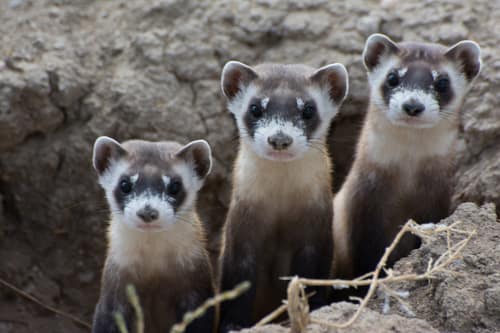
Predator (c) USFWS Mountain-Prairie, some rights reserved (CC BY) · cc-by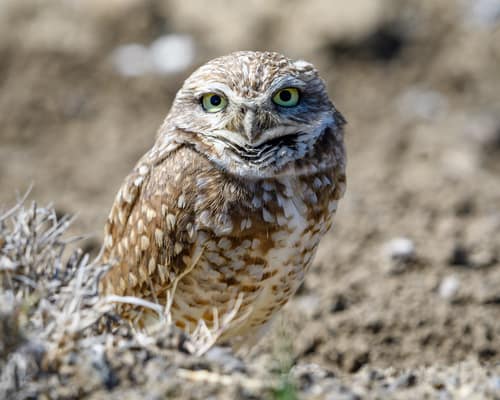
Symbiont "Burrowing Owl" by Becky Matsubara is licensed under CC BY 2.0. To view a copy of this license, visit https://creativecommons.org/licenses/by/2.0/. · cc-by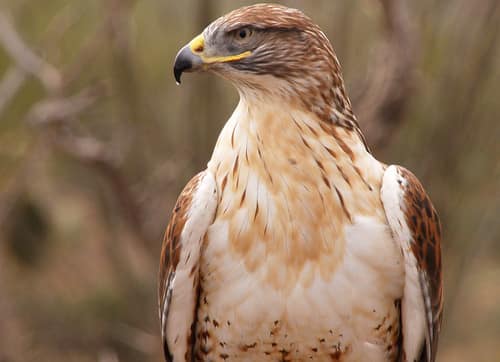
Predator "Ferruginous Hawk 001" by contemplicity is licensed under CC BY 2.0. To view a copy of this license, visit https://creativecommons.org/licenses/by/2.0/. · cc-by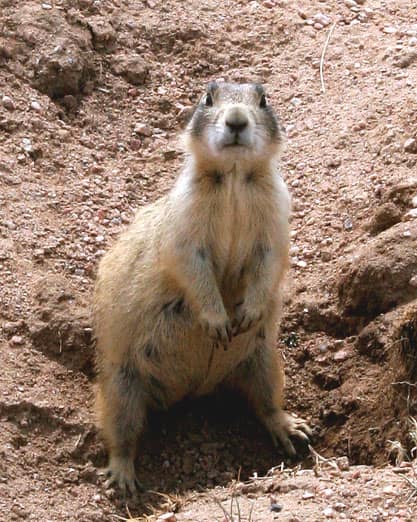
Close Relative Devonpike at English Wikipedia / Public domain · cc0
Keep collecting in Fauna
Found in Collections
Ecosystem chain Pro
Prairie Plains
Black-tailed Prairie Dog is found in this collection. Identify it in Fauna to fill this slot and continue your progress.
Unlock to track progress
Help improve the field guideSomething wrong?
Checking your Fauna account…Report a name, category, or profile issue for review.