
Mammal
Large-eared Pika
Ochotona macrotisAlso known as Large-Eared Rock Pika, Mountain Pika
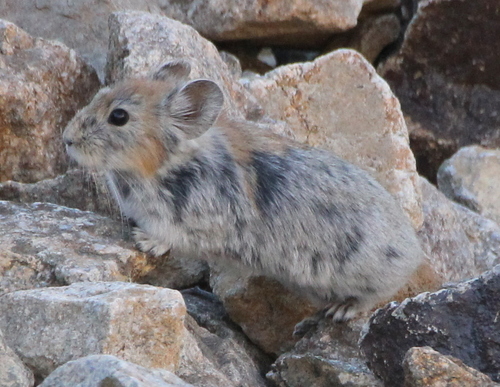
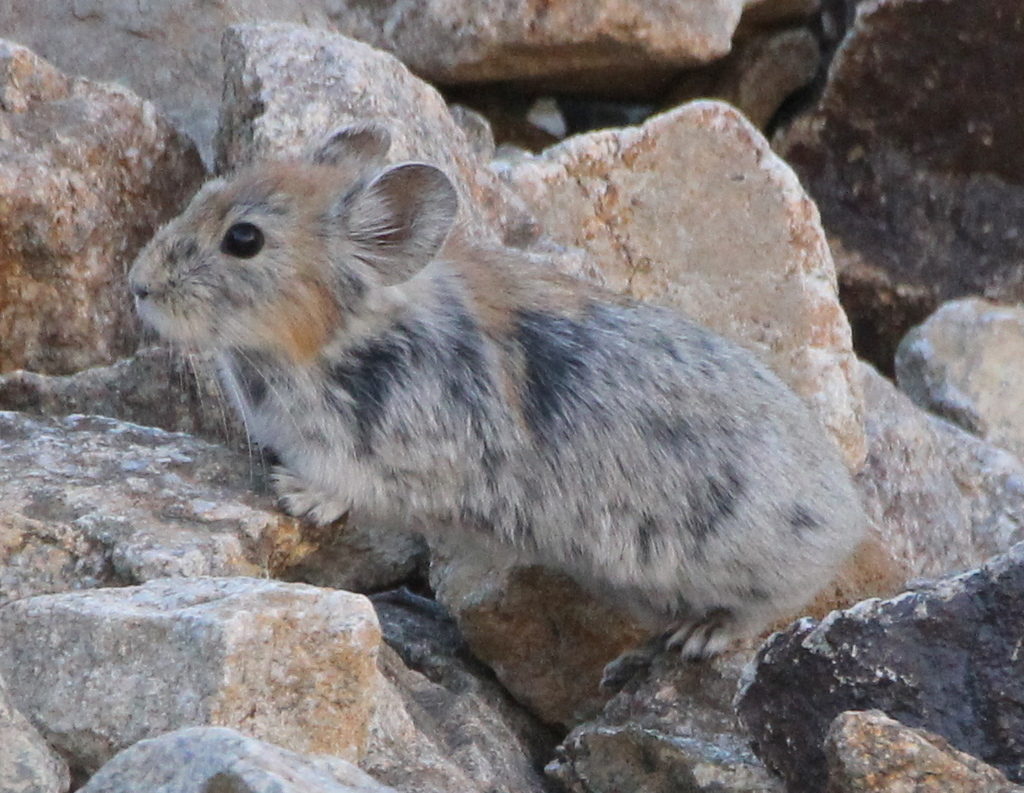
Large-eared pikas are high-altitude specialists thriving among the extreme rock fields and scree slopes of the Central Asian mountain ranges. Their enlarged, rounded ears aid in heat regulation and detecting subtle sound cues across vast, windswept talus fields. Unlike many burrowing rodents, they shelter deep within natural boulder crevices and forage on sparse alpine grasses, mosses, and lichens.
AlpineHigh AltitudeRock Dweller
—observations
—countries
—peak records
Least ConcernConservation statusIUCN Red List categoriesLCNTVUENCREWEXLeast ConcernRed List categories, explained →
Diet & preyAlpine Grasses, Sedges, Lichens
Predators
- Snow Leopard
- Tibetan Fox
- Stoat
ThreatsClimate change, alpine habitat loss, severe weather
HabitatsAlpine scree, boulder slopes, rocky mountain tundra
Life span3–6 years
Classification
- FamilyOchotonidae
- SpeciesOchotona macrotis
Range data is not available yet.
Interaction riskLow
- Low
- Moderate
- High
- Very high
- Why interaction risk is low
- Safe to observe from a respectful distance without disturbing rock piles.
- What to notice
- Recognized by conspicuously large rounded ears and dense greyish-brown fur among alpine scree.
- Support conservation
- Observe quietly from established trails without stepping onto fragile alpine vegetation or talus.
Responsible observation
- Scanning Talus: Look for small brownish-grey shapes moving along boulder cracks above the treeline.
- Listening for Whistles: Listen for sharp alarm calls echoing across open mountain slopes.
- Preserving Rock Shelters: Avoid shifting loose rocks where subterranean tunnels and food stores rest.
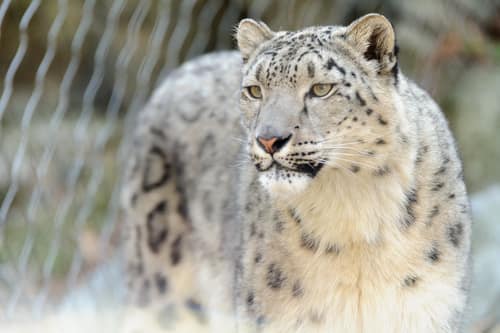
Predator "Snow Leopard from the Side" by Eric Kilby is licensed under CC BY-SA 2.0. To view a copy of this license, visit https://creativecommons.org/licenses/by-sa/2.0/. · cc-by-sa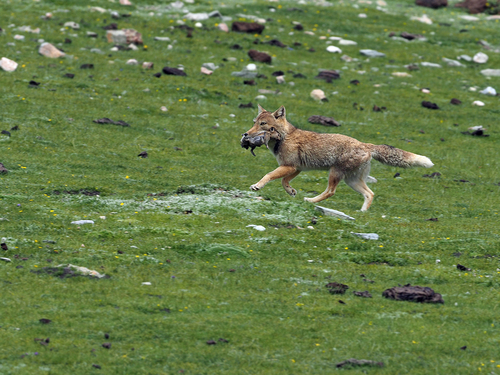
Predator no rights reserved · cc0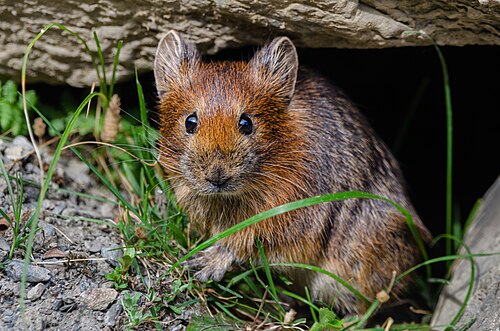
Close Relative Nikeet123 / CC BY-SA 4.0 · cc-by-sa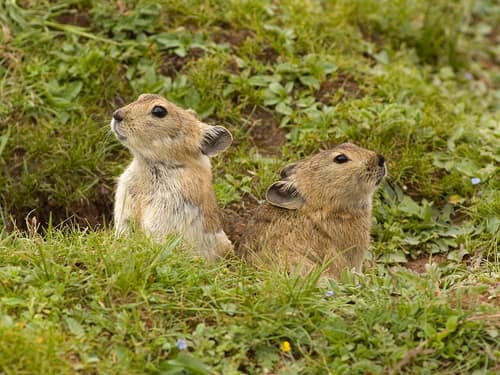
Close Relative Kunsang / CC BY-SA 3.0 · cc-by-sa
Help improve the field guideSomething wrong?
Checking your Fauna account…Report a name, category, or profile issue for review.