
Mammal · GBIF taxon 2436909
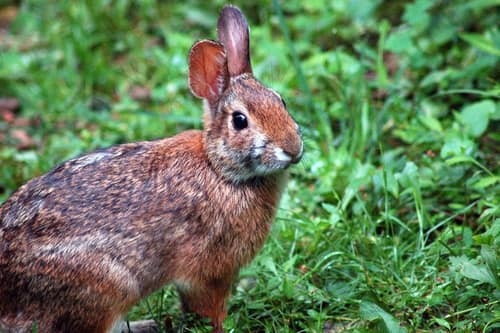
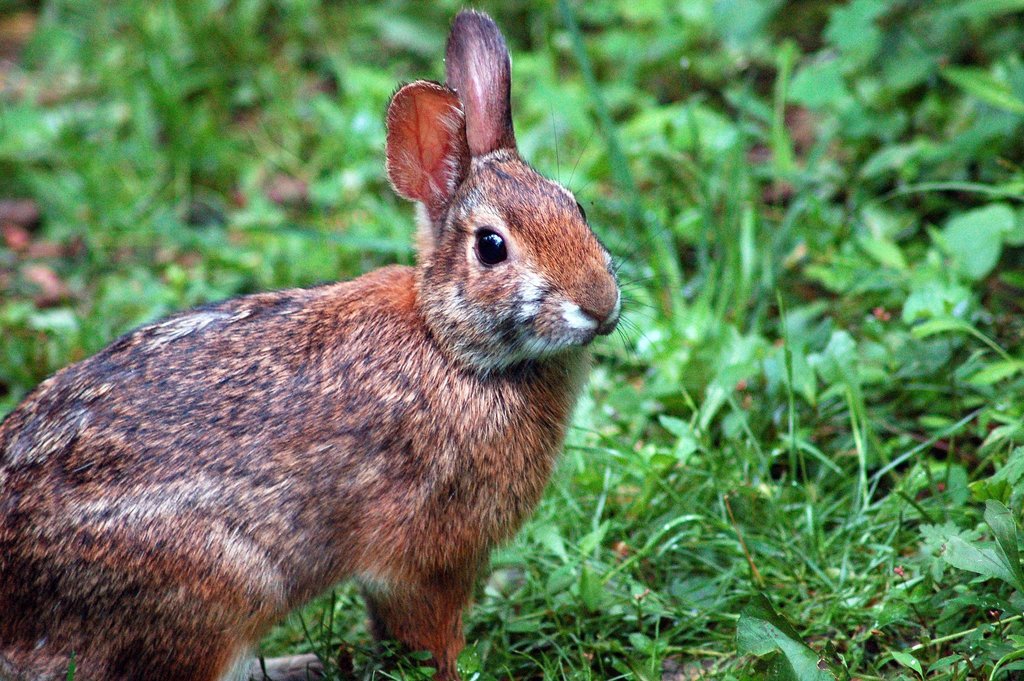
Appalachian Cottontail
Sylvilagus obscurusAlso known as Allegheny Cottontail, Timber Rabbit
Appalachian cottontails thrive in the high-elevation forests, heath balds, and dense brush of the Appalachian mountain range. These secretive lagomorphs rely on thick understory cover like mountain laurel and blueberry bushes to escape predators and harsh weather. Because their habitat is fragmented along isolated mountain peaks, populations remain vulnerable to climate warming and habitat disruption.
HighlandHerbivoreElusive
—observations
—countries
—peak records
Near ThreatenedConservation statusIUCN Red List categoriesLCNTVUENCREWEXNear ThreatenedRed List categories, explained →
Diet & prey
- Grasses
- Ferns
- Tree Bark
Predators
- Bobcat
- Coyote
- Great Horned Owl
ThreatsHabitat fragmentation, climate change, competition from Eastern cottontails
HabitatsHigh-elevation coniferous forests, heath balds, dense brush
Life span1–3 years in the wild
Size / weightNot available
Classification
- FamilyLeporidae
- SpeciesSylvilagus obscurus
Range data is not available yet.
Interaction riskLow
- Low
- Moderate
- High
- Very high
- Why interaction risk is low
- Safe to observe at a normal distance.
- What to notice
- Recognize by its dark brownish fur, high-elevation habitat, and a black patch between the ears.
- Support conservation
- Keep a respectful distance to avoid flushing this cautious mammal from essential thermal cover.
Responsible observation
- Observe Silently: Retreats into dense mountain shrubbery at the slightest sound or movement.
- Search High Altitudes: Scan dense heath balds and mountain laurels above 700 meters elevation.
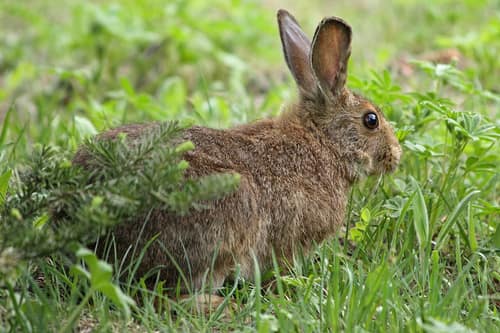
Co-inhabitant Lepus_americanus_5459.JPG: Walter Siegmund (talk) derivative work: Wsiegmund / CC BY-SA 3.0 · cc-by-sa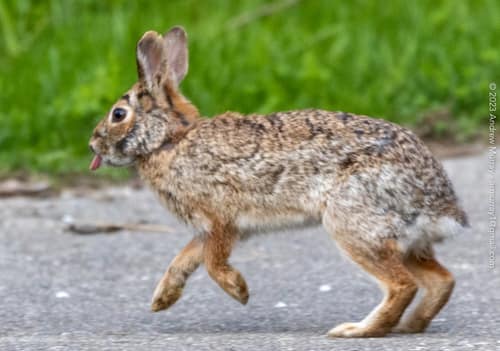
Close Relative (c) Andrew Murray, some rights reserved (CC BY), uploaded by Andrew Murray · cc-by
Close Relative no rights reserved · cc0
Help improve the field guideSomething wrong?
Checking your Fauna account…Report a name, category, or profile issue for review.