
Mammal
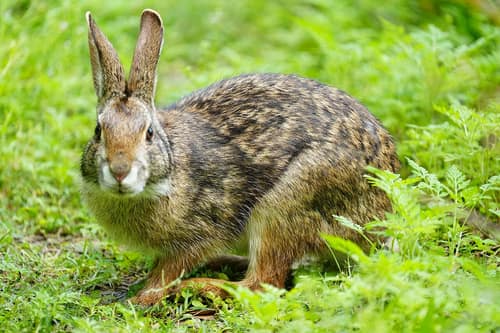
Swamp Rabbit
Sylvilagus aquaticusAlso known as Cane Cutter, Swamper, Cane Jake
As the largest cottontail in North America, swamp rabbits are uniquely adapted to life in wet bottomland forests and floodplains. When threatened, they frequently plunge into streams or marshes, swimming effortlessly or hiding submerged with only their nose above the water surface. Males mark elevated logs with scent and fecal pellets to maintain strict territories across their dense, leafy habitats.
Semi-aquaticNocturnalMammal

—observations
—countries
—peak records
Least ConcernConservation statusIUCN Red List categoriesLCNTVUENCREWEXLeast ConcernRed List categories, explained →
Diet & preyGiant Cane, Sedges, Grasses
Predators
- American Alligator
- Bobcat
- Coyote
ThreatsWetland drainage, habitat loss from land conversion, and localized hunting
HabitatsSwamps, bottomland hardwood forests, marshes, and river floodplains
Life span3–5 years in the wild
Classification
- FamilyLeporidae
- SpeciesSylvilagus aquaticus
Native
Interaction riskLow
- Low
- Moderate
- High
- Very high
- Why interaction risk is low
- May scratch or bite if cornered; observe quietly from a safe distance.
Responsible observation
- Observation Times: Scan marsh edges and floodplains during dawn and dusk when activity peaks.
- Water Signals: Look for swimming individuals crossing channels with only their heads above water.
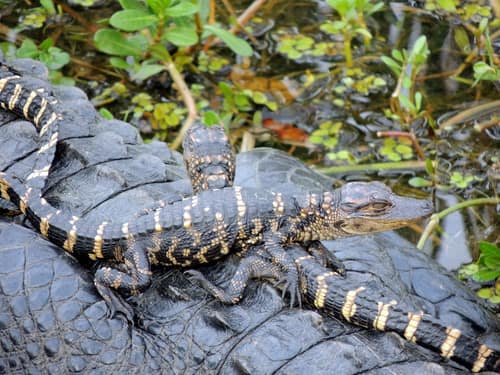
Predator no rights reserved, uploaded by Vijay Barve · cc0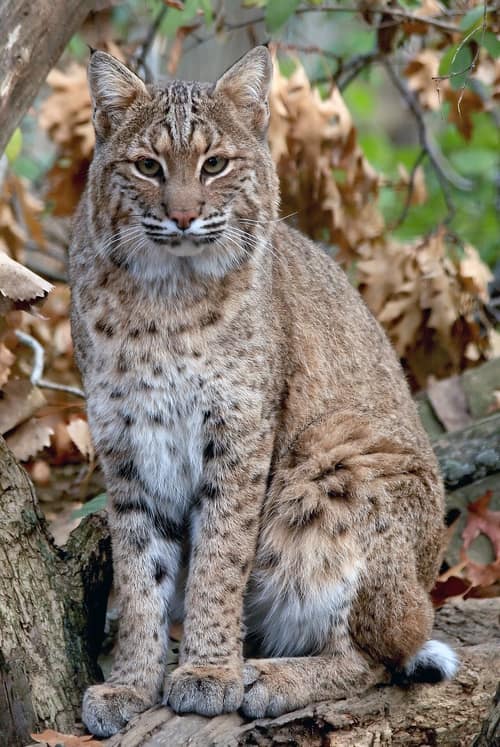
Predator Becker1999 (Paul and Cathy) / CC BY 2.0 · cc-by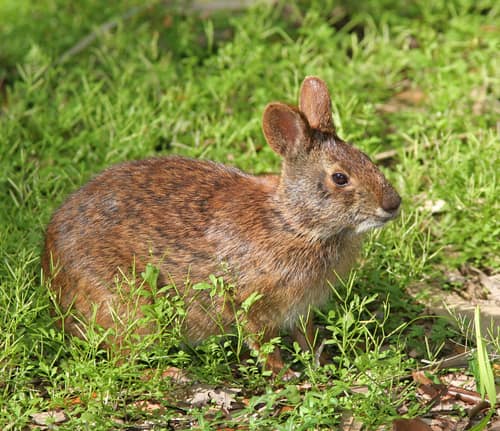
Close Relative (c) Tomfriedel, some rights reserved (CC BY) · cc-by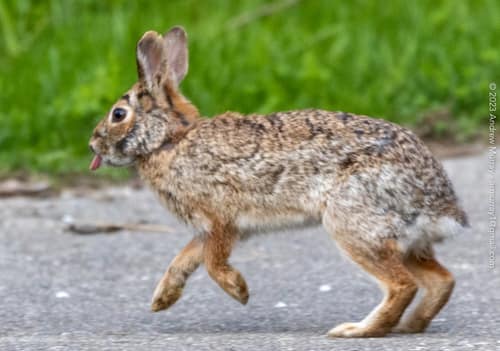
Close Relative (c) Andrew Murray, some rights reserved (CC BY), uploaded by Andrew Murray · cc-by
Help improve the field guideSomething wrong?
Checking your Fauna account…Report a name, category, or profile issue for review.