
Mammal · GBIF taxon 2436787
Tarim Hare
Lepus yarkandensisAlso known as Yarkand Hare
Adapted to the hyper-arid scrub and poplar oases surrounding the Taklamakan Desert, Tarim hares navigate harsh temperature swings and scarce vegetation with remarkable efficiency. They spend scorching desert days resting in shallow scrapes under tamarisk bushes before emerging at night to feed on reeds, grasses, and agricultural crops. Large ears help dissipate excess body heat while scanning for nocturnal predators across open terrain.
NocturnalDesertEndemic
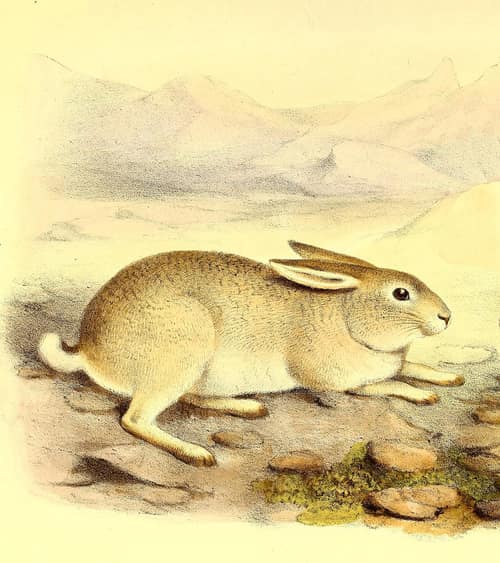
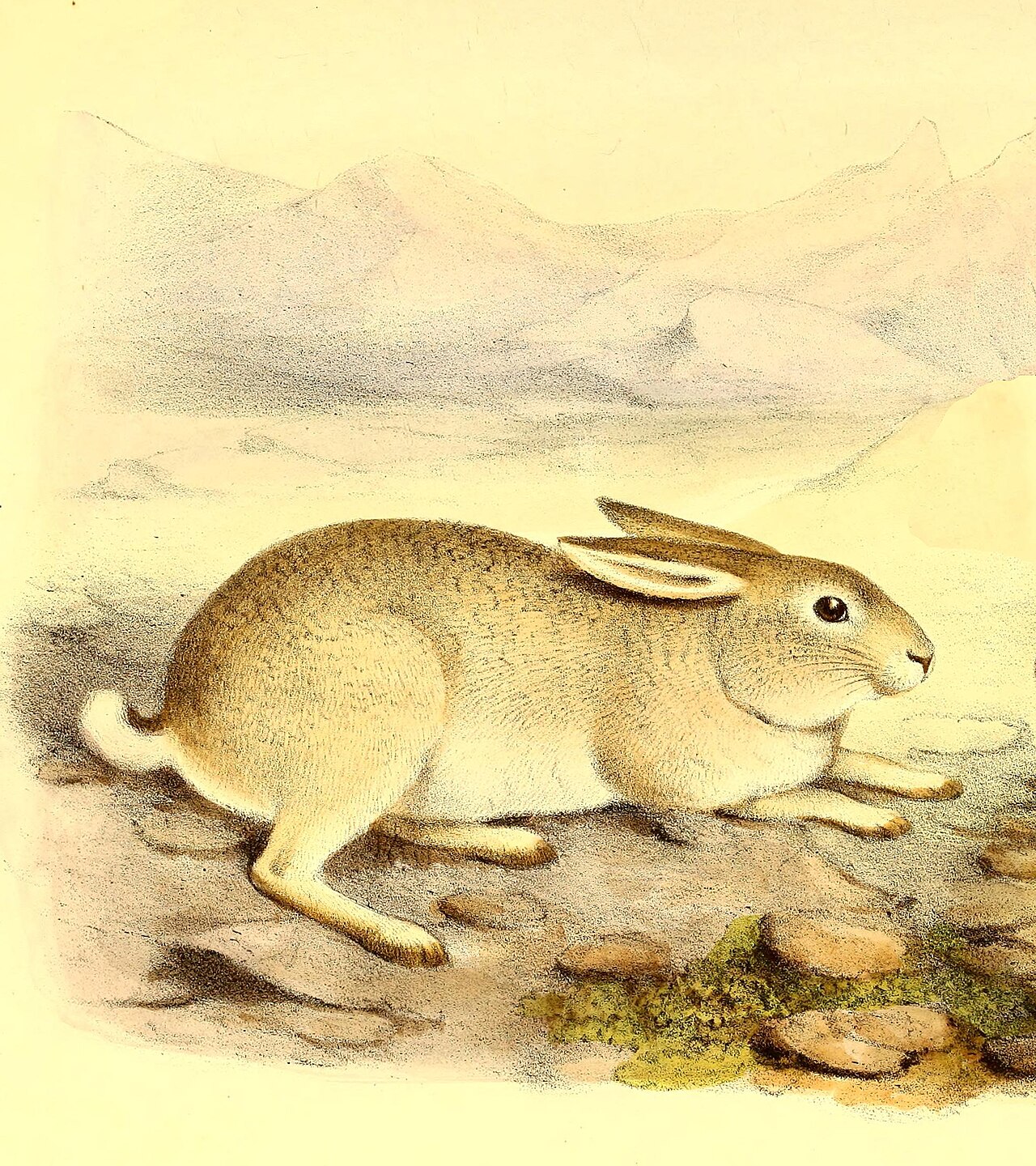
Licensed referenceJ. Smit / Public domain · cc0
—observations
—countries
—peak records
Near ThreatenedConservation statusIUCN Red List categoriesLCNTVUENCREWEXNear ThreatenedRed List categories, explained →
Diet & prey
- Grasses
- Reeds
- Agricultural crops
Predators
- Steppe Eagle
- Eurasian Eagle-Owl
- Red Fox
ThreatsHabitat fragmentation, agricultural expansion, poaching
HabitatsArid scrubland, riverine poplar forests, desert oases
Life span3–5 years
Size / weightNot available
Classification
- FamilyLeporidae
- SpeciesLepus yarkandensis
Range data is not available yet.
Interaction riskLow
- Low
- Moderate
- High
- Very high
- Why interaction risk is low
- Generally shy and harmless, but can scratch or bite if cornered; observe from a distance.
- What to notice
- Recognizable by sandy brown pelage with fine gray-black stripes, a stark white underside, and oversized ears in Xinjiang desert scrub.
- Support conservation
- Maintain a distance of at least 20 meters to prevent flushing them into open areas where they become vulnerable to predators.
Responsible observation
- Nighttime viewing: Use a red-filtered spotlight along desert vegetation edges after dusk to spot their eye shine without startling them.
- Respecting distance: Give feeding individuals plenty of space, as sudden movements will flush them into cover and expend critical energy.
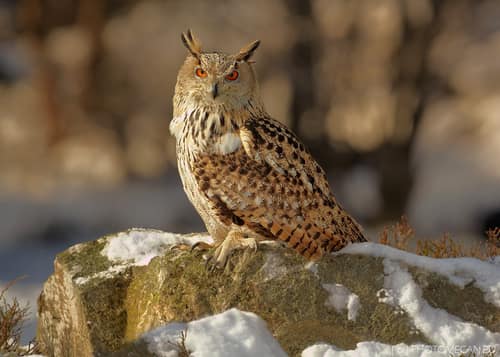
Predator Martin Mecnarowski (http://www.photomecan.eu/) / CC BY-SA 3.0 · cc-by-sa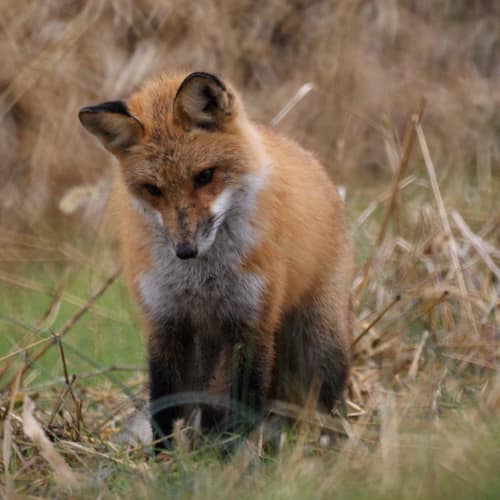
Predator "Red Fox" by Mike's Birds is licensed under CC BY-SA 2.0. To view a copy of this license, visit https://creativecommons.org/licenses/by-sa/2.0/. · cc-by-sa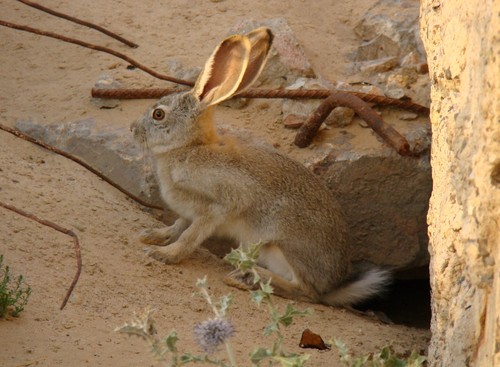
Close Relative (c) Юрий Данилевский (Yuriy Danilevsky), some rights reserved (CC BY), uploaded by Юрий Данилевский (Yuriy Danilevsky) · cc-by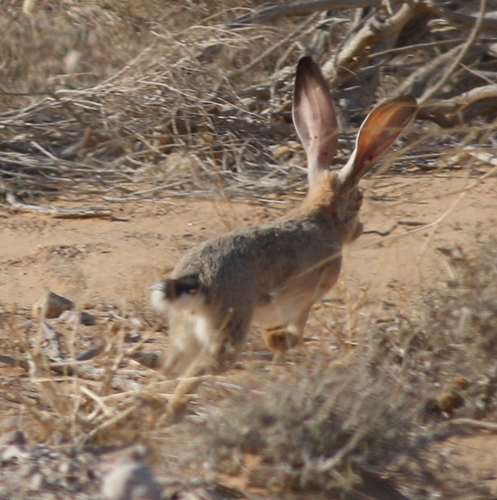
Close Relative (c) Jan Ebr & Ivana Ebrová, some rights reserved (CC BY), uploaded by Jan Ebr & Ivana Ebrová · cc-by
Help improve the field guideSomething wrong?
Checking your Fauna account…Report a name, category, or profile issue for review.