
Mammal · GBIF taxon 2436648
Colombian Red Howler Monkey
Alouatta seniculusAlso known as Venezuelan Red Howler, Red Howler Monkey
Deep within the South American canopy, Colombian red howlers start each morning with thunderous roars enabled by enlarged, hollow hyoid bones that resonate for miles. These heavy-set primates spend long hours resting high in the treetops to digest a fibrous diet rich in tough leaves, fruits, and flowers. Living in small, cohesive groups of three to nine individuals, they use prehensile, bare-tipped tails as a crucial fifth limb when moving along fragile branches.
ArborealVocalDiurnal
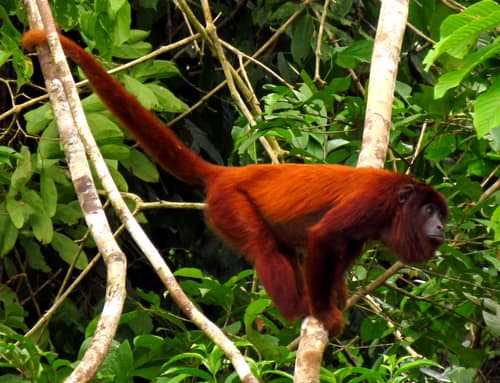
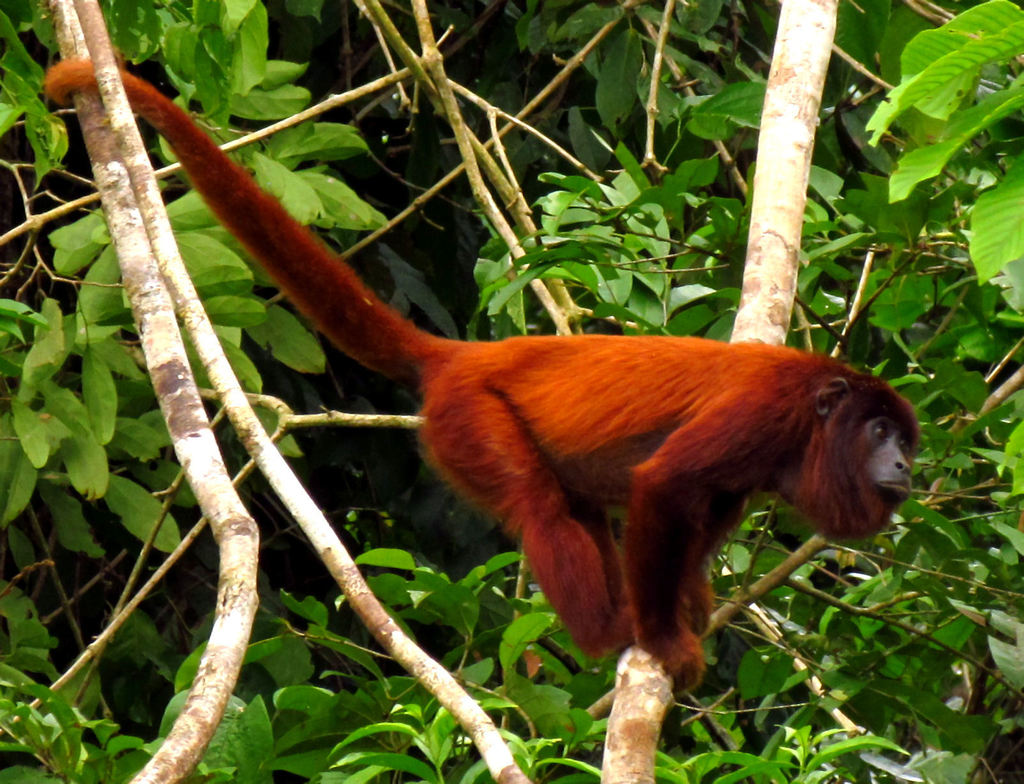
—observations
—countries
—peak records
Least ConcernConservation statusIUCN Red List categoriesLCNTVUENCREWEXLeast ConcernRed List categories, explained →
Diet & prey
- Tree leaves
- Wild figs
- Forest flowers
Predators
- Harpy Eagle
- Jaguar
- Puma
ThreatsHabitat loss from deforestation, forest fragmentation, and bushmeat hunting
HabitatsTropical rainforests, cloud forests, and flooded riverine forests
Life span15–20 years in the wild
Size / weightNot available
Classification
- FamilyAtelidae
- SpeciesAlouatta seniculus
Range data is not available yet.
Interaction riskLow
- Low
- Moderate
- High
- Very high
- Why interaction risk is low
- Observe quietly from below; wild primates can bite or scratch if cornered or handled.
Responsible observation
- Listen Early: Morning hours offer the best chance to locate groups by their resonant vocal calls.
- Maintain Distance: Use binoculars or a telephoto lens rather than approaching tree bases directly.
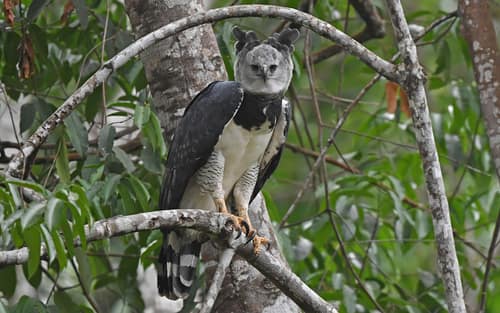
Predator (c) Christoph Moning, some rights reserved (CC BY), uploaded by Christoph Moning · cc-by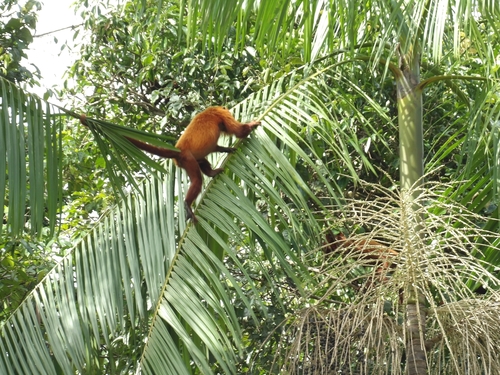
Close Relative (c) Guillaume Delaitre, some rights reserved (CC BY), uploaded by Guillaume Delaitre · cc-by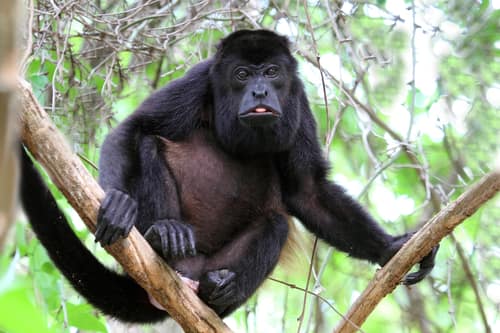
Close Relative (c) Cephas, some rights reserved (CC BY-SA) · cc-by-sa
Help improve the field guideSomething wrong?
Checking your Fauna account…Report a name, category, or profile issue for review.