
Mammal · GBIF taxon 2436620
Allen's Swamp Monkey
Allenopithecus nigroviridisAlso known as Congo Swamp Monkey
Allen's swamp monkeys navigate the inundated river systems of the Congo Basin, utilizing slight webbing between their digits to paddle across open water and dive below the surface to evade raptors. Troops numbering up to 40 individuals maintain contact through soft grunts and birdlike chirps while combing both the canopy and muddy shallows for fallen figs and freshwater crustaceans. Their robust skeletal build bridges evolutionary traits between cheek-pouched baboons and arboreal guenons.
Semi-AquaticSocialOmnivorous
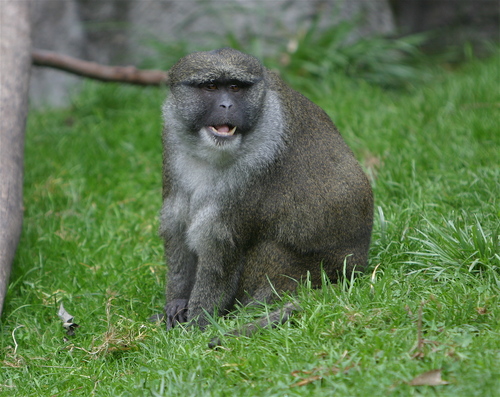
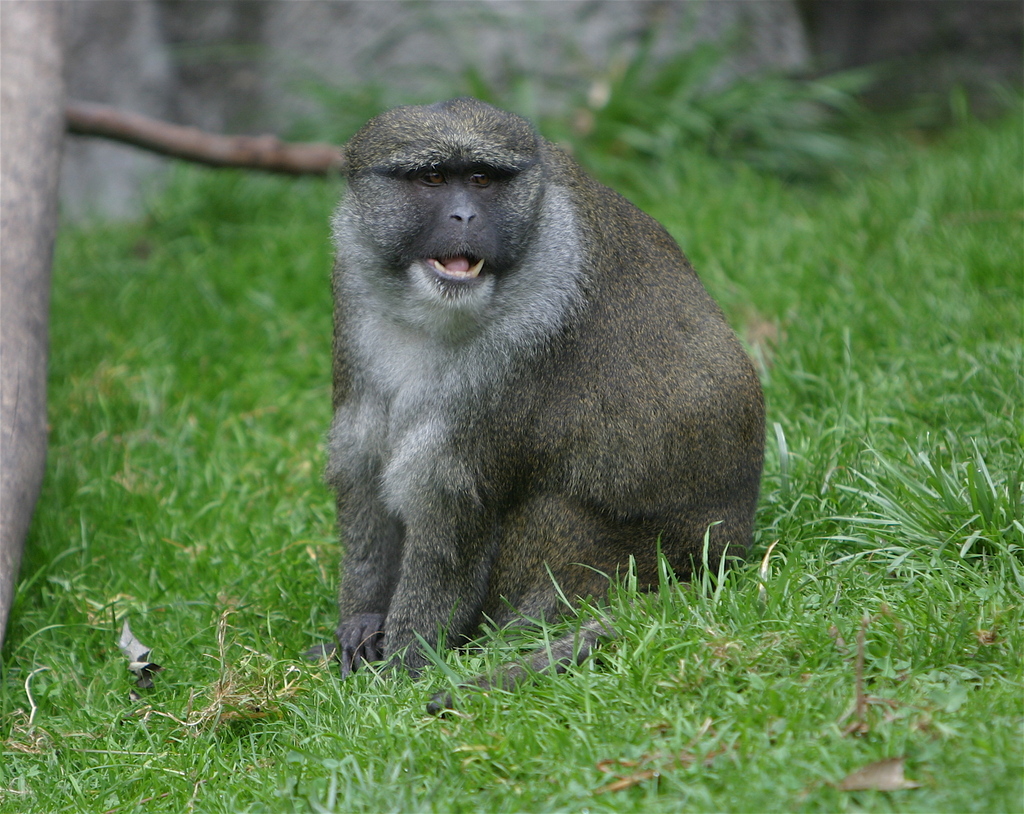
Licensed reference(c) User:Cacophony, some rights reserved (CC BY-SA) · cc-by-sa
—observations
—countries
—peak records
Near ThreatenedConservation statusIUCN Red List categoriesLCNTVUENCREWEXNear ThreatenedRed List categories, explained →
Diet & prey
- Freshwater Crabs
- Beetle Larvae
- Wild Figs
Predators
- Crowned Eagle
- African Leopard
- African Rock Python
ThreatsBushmeat hunting, habitat disturbance from commercial logging, and agricultural expansion
HabitatsSeasonally flooded swamp forests, riverine gallery forests, and freshwater marshes
Life span15–20 years in the wild; up to 23 years in captivity
Classification
- FamilyCercopithecidae
- SpeciesAllenopithecus nigroviridis
Range data is not available yet.
Interaction riskLow
- Low
- Moderate
- High
- Very high
- Why interaction risk is low
- May bite or scratch if cornered; observe quietly from boats or riverbanks at a distance.
- Why it is dangerous
- Equipped with strong jaws and long canine teeth capable of inflicting painful lacerations if cornered or restrained.
- How to recognize a risky encounter
- Look for a stocky body covered in greenish-grey agouti fur, pale cheek whiskers, and slightly webbed fingers.
- What to do
- Maintain a respectful distance from boats or observation hides, and never attempt to hand-feed or grab individuals.
Responsible observation
- Boat Observation: Approach quietly by canoe along river margins during early morning foraging hours.
- Listen for Calls: Track troops moving through dense canopy foliage by tuning into soft contact chirps.

Competitor (c) Matt Muir, some rights reserved (CC BY), uploaded by Matt Muir · cc-by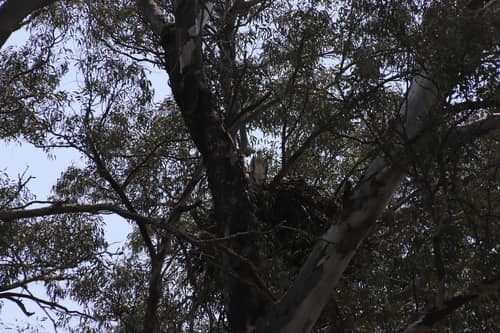
Predator (c) Suvarna Parbhoo Mohan, some rights reserved (CC BY-SA) · cc-by-sa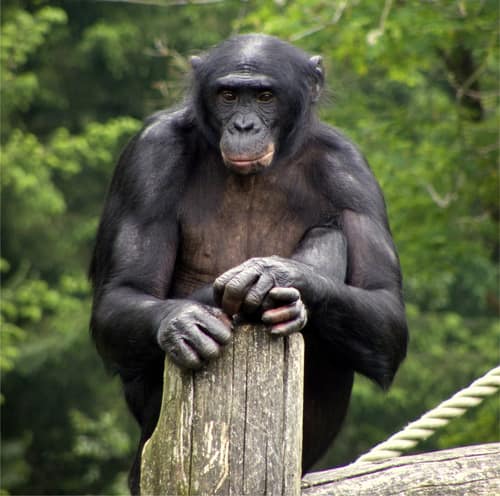
Neighbor natataek / CC BY-SA 3.0 · cc-by-sa
Close Relative Gabriel Villena from Albacete, España / CC BY 2.0 · cc-by
Help improve the field guideSomething wrong?
Checking your Fauna account…Report a name, category, or profile issue for review.