Also known as Sulawesi Moor Macaque, Celebes Moor Macaque
Moor macaques roam the limestone karst towers and rainforests of southwestern Sulawesi in cohesive multi-male, multi-female social groups. They spend much of their day foraging on both the forest floor and high in the canopy, communicating with subtle facial expressions, soft vocal trills, and rhythmic teeth-chattering. Due to severe habitat fragmentation, troops often venture along road edges and forest margins, exposing them to traffic collisions and conflict with local farming communities.
ThreatsDeforestation, agricultural expansion, road mortality, and retaliatory hunting
HabitatsTropical lowland rainforests and karst limestone forests
Life span20–28 years
Classification
FamilyCercopithecidae
SpeciesMacaca maura
Range & activity
Range data is not available yet.
Safe observation
Interaction riskModerate
Low
Moderate
High
Very high
Why interaction risk is moderate
May inflict deep bites if cornered and can carry zoonotic viruses; keep a respectful distance.
Why it is dangerous
Macaques possess strong jaws and sharp canine teeth capable of deep puncture wounds, and wild primates can transmit zoonotic pathogens including Herpes B virus and tuberculosis.
How to recognize a risky encounter
Look for a dark brown to charcoal coat, prominent bare pink skin around the rump, a very short vestigial tail, and a long, dog-like muzzle.
What to do
Never attempt to touch, feed, or corner these monkeys; step back calmly if an individual vocalizes, lunges, or bares its teeth.
What to notice
Recognizable as a stocky, tailless dark primate foraging among the dramatic karst cliffs and lowland trees of southern Sulawesi.
Support conservation
Keep quiet, stay on designated park trails, and refrain from using playback calls or approaching nursery groups with dependent infants.
Responsible observation
Distance: Maintain at least 10 meters of separation to avoid alarming the troop or altering their natural behavior.
Food Management: Secure all snacks and trash out of sight, as feeding creates dangerous habituation and roadside dependency.
Body Language: Avoid prolonged direct eye contact and smiling with bared teeth, which macaques interpret as aggression.

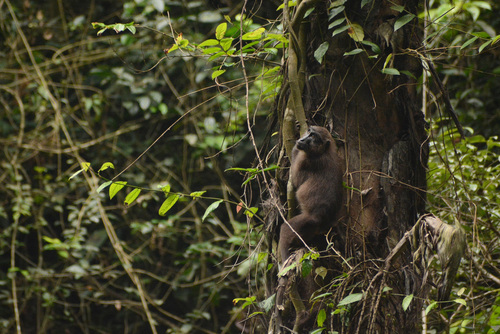
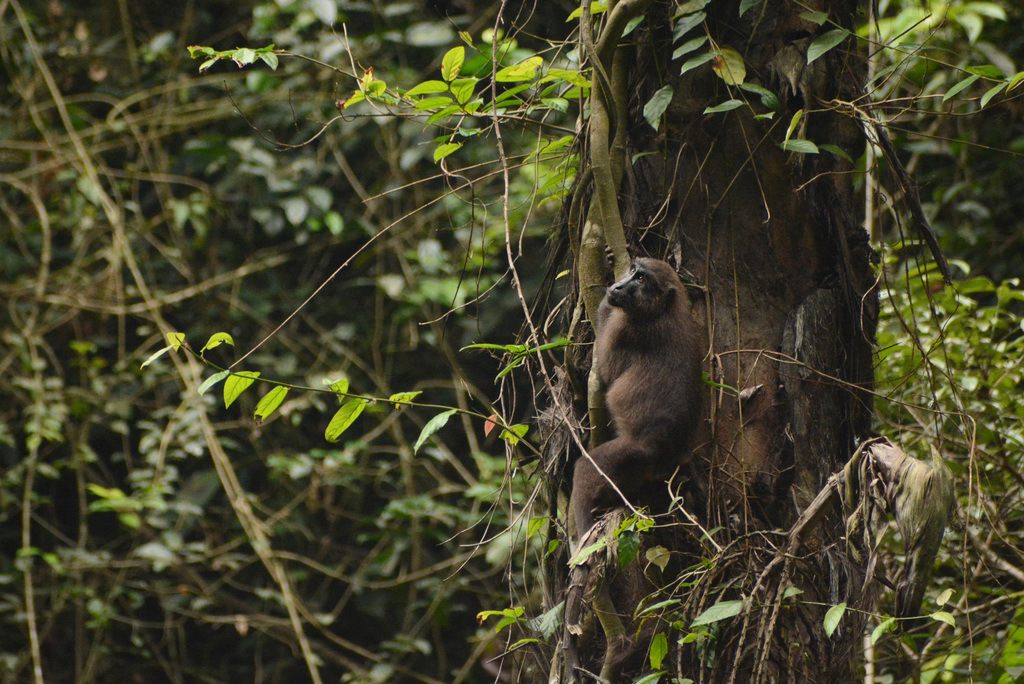
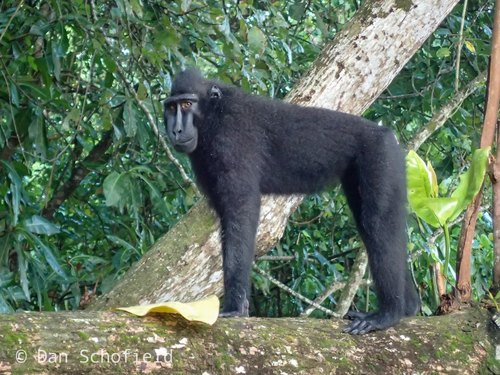
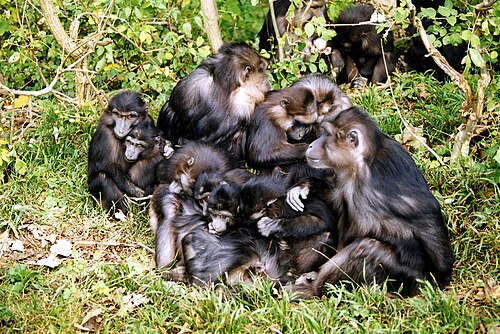
 Image unavailable