
Mammal
Capped Lutung
Trachypithecus pileatusAlso known as Capped Langur, Bonneted Langur
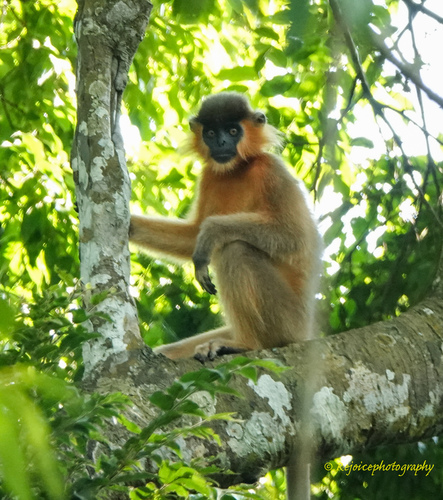
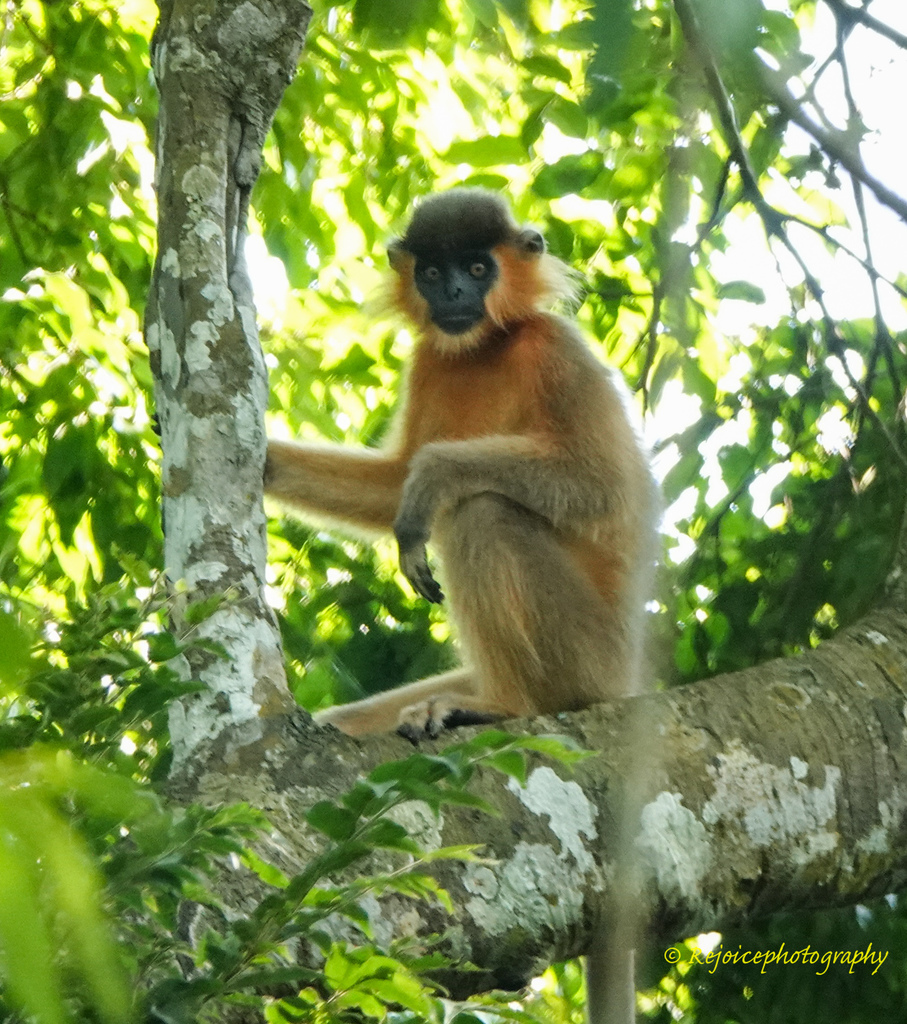
Capped lutungs spend nearly all their lives in the forest canopy, moving through the upper branches in small social troops led by a dominant male. They rely on specialized multi-chambered stomachs containing cellulose-fermenting bacteria to break down tough fibrous foliage, supplementing their leaf diet with seasonal fruits, flowers, and seeds. Infants are born with striking golden-orange fur that gradually darkens into the adult grey and cream coloration over their first year.
ArborealSocialCanopy Dweller
—observations
—countries
—peak records
VulnerableConservation statusIUCN Red List categoriesLCNTVUENCREWEXVulnerableRed List categories, explained →
Diet & preyLeaves, Ficus fruits, Tree buds
Predators
- Leopard
- Clouded Leopard
- Crowned Hawk-Eagle
ThreatsHabitat fragmentation, agricultural encroachment, logging, and hunting
HabitatsSubtropical and tropical broadleaf forests, bamboo groves, and deciduous foothills
Life span15–20 years in the wild
Classification
- FamilyCercopithecidae
- SpeciesTrachypithecus pileatus
Range data is not available yet.
Interaction riskLow
- Low
- Moderate
- High
- Very high
- Why interaction risk is low
- Shy and canopy-dwelling, but capable of a sharp defensive bite if cornered or handled.
- Why it is dangerous
- Large canine teeth and strong jaws can inflict deep puncture wounds if an animal is cornered or seized.
- How to recognize a risky encounter
- Look for the distinct backwards-pointing cap of dark hair on the crown contrasting with a pale throat.
- What to do
- Maintain a respectful distance on the ground and never attempt to corner, rescue, or touch an individual.
- What to notice
- Recognized by its long tail, pale chest, and prominent cap of dark, bristly hairs atop the head.
- Support conservation
- Keep noise to a minimum in protected reserves and stay on established trails to limit disturbance.
Responsible observation
- Viewing distance: Watch from the forest floor using binoculars, as troops stay high in the canopy.
- Quiet approach: Move softly along trails to avoid triggering vocal alarm calls and rapid retreat.
- Feeding etiquette: Never offer food, which disrupts natural foraging and spreads diseases.
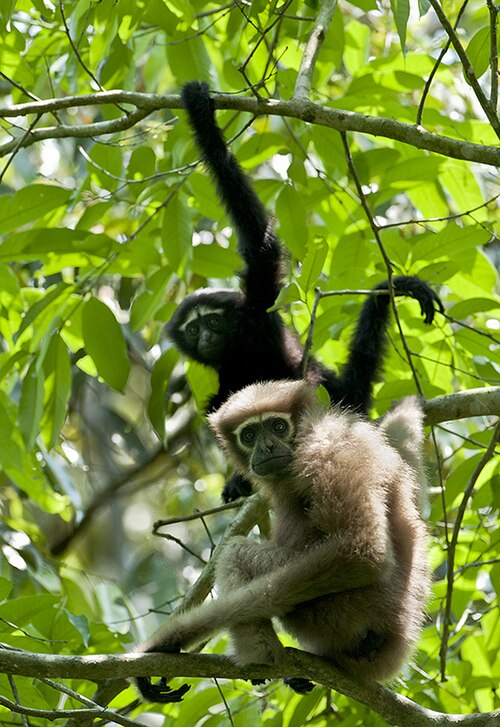
Frequent Companion Vijay Cavale / CC BY-SA 1.0 · cc-by-sa
Predator "Clouded Leopard catching the light" by charlieishere@btinternet.com is licensed under CC BY 2.0. To view a copy of this license, visit https://creativecommons.org/licenses/by/2.0/. · cc-by Image unavailable
Close Relative 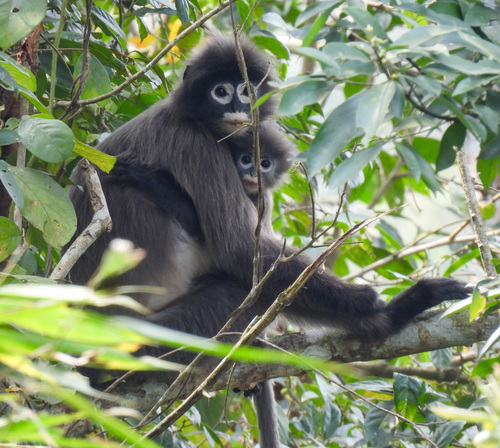
Close Relative (c) Rejoice Gassah, some rights reserved (CC BY) · cc-by
Help improve the field guideSomething wrong?
Checking your Fauna account…Report a name, category, or profile issue for review.