
Mammal
Black Lion Tamarin
Leontopithecus chrysopygusAlso known as Golden-rumped Lion Tamarin
Black lion tamarins are agile, canopy-dwelling primates that spend their days navigating the dense mid-story of Brazil's interior Atlantic Forest. Living in tight-knit family troops of two to eight individuals, they forage using their remarkably long, claw-tipped fingers to extract insects hiding deep within tree bark and bromeliad leaves. At dusk, family groups retire into high tree hollows, curling closely together to conserve warmth and avoid nocturnal predators.
ArborealDiurnal
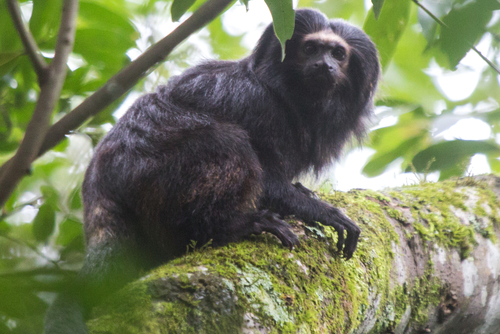
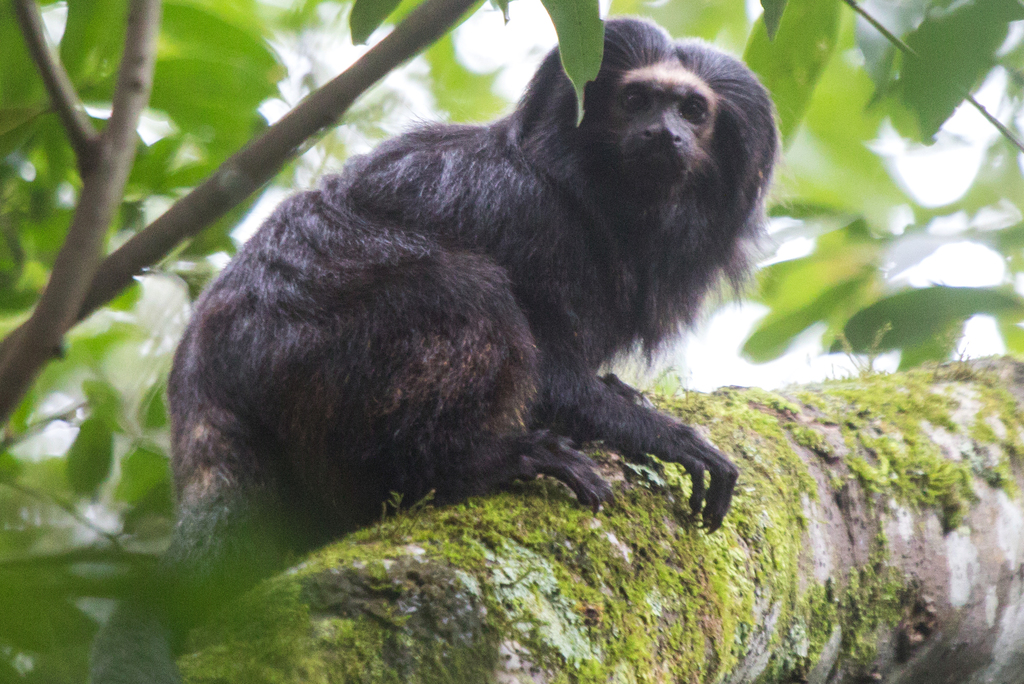
—observations
—countries
—peak records
EndangeredConservation statusIUCN Red List categoriesLCNTVUENCREWEXEndangeredRed List categories, explained →
Diet & preyOrthopterans, Tree gum, Wild figs
Predators
- Ocelot
- Tayra
- Harpy Eagle
ThreatsSevere forest fragmentation, habitat loss, and small isolated populations
HabitatsSubtropical semi-deciduous forest and gallery forest
Life span10–15 years in the wild
Classification
- FamilyCallitrichidae
- SpeciesLeontopithecus chrysopygus
Range data is not available yet.
Interaction riskLow
- Low
- Moderate
- High
- Very high
- Why interaction risk is low
- Safe to observe at a normal distance.
- What to notice
- Look for glossy, all-black coats offset by distinct reddish-gold coloring across the rump, thighs, and base of the tail.
- Support conservation
- Maintain quiet distance and avoid lingering near sleeping hollows or tracking feeding troops through fragile understory.
Responsible observation
- Binoculars required: Scan mid-canopy bromeliad clusters and vine tangles where troops forage.
- Listen for trills: Troops communicate across the canopy with high-pitched chirps and whistling calls.
- Stay on trails: Keep to established paths within protected reserves to prevent disturbing tree hollow roosts.
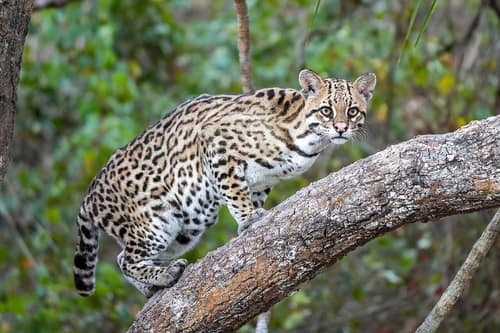
Predator Giles Laurent / CC BY-SA 4.0 · cc-by-sa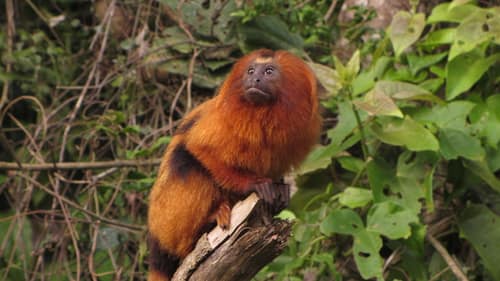
Close Relative (c) Guilherme Siniciato Terra Garbino, some rights reserved (CC BY), uploaded by Guilherme Siniciato Terra Garbino · cc-by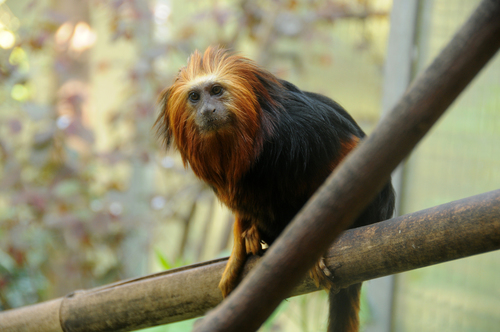
Close Relative (c) Thomas Bresson, some rights reserved (CC BY) · cc-by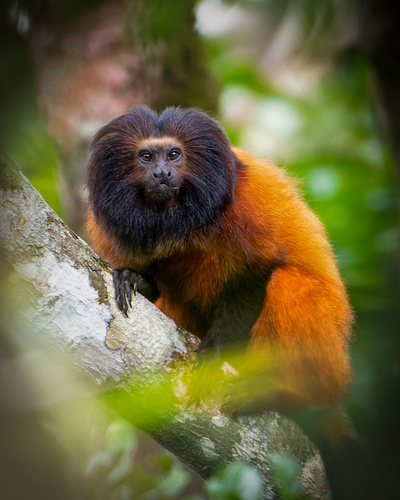
Close Relative no rights reserved, uploaded by Paulo Mascaretti · cc0
Help improve the field guideSomething wrong?
Checking your Fauna account…Report a name, category, or profile issue for review.