
Cotton-headed Tamarin
Saguinus oedipusAlso known as Cotton-top Tamarin, Liszt Monkey, Pinche Tamarin
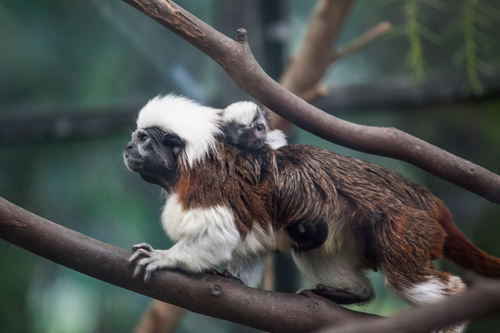
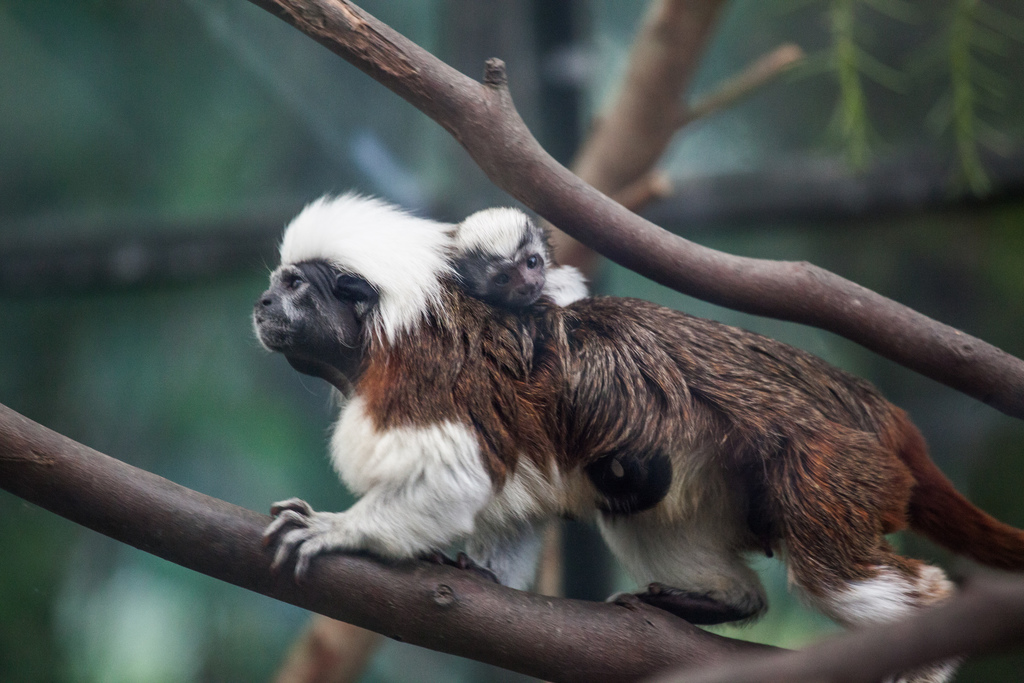
Living in close-knit cooperative family groups, cotton-headed tamarins communicate with a sophisticated repertoire of chirps, trills, and bird-like whistles that change meaning with subtle pitch variations. Dominant breeding pairs usually produce non-identical twins, which fathers and older siblings carry and groom tirelessly between nursing bouts. Severe deforestation and historic capture for biomedical research have confined wild populations to fragmented forest patches in northwestern Colombia.
- Insects
- Tree Gum
- Ripe Fruits
- Harpy Eagle
- Boa Constrictor
- Ocelot
- OrderPrimates
- FamilyCallitrichidae
- GenusSaguinus
- SpeciesSaguinus oedipus
- Low
- Moderate
- High
- Very high
- Why interaction risk is low
- Safe to observe at a normal distance from forest trails.
- What to notice
- Look for the distinctive shock of long white hair running from forehead to nape atop a tiny, dark-faced body.
- Support conservation
- Stay strictly on designated trails, do not attempt to feed monkeys, and never purchase captive tamarins.
- Binocular Viewing: Scan the mid-to-upper canopy along forest edges in early morning when family groups forage actively.
- Acoustic Detection: Listen for high-pitched, bird-like chirps and whistles that troops use to coordinate movement.
- Ethical Distance: Keep binoculars trained from trails to avoid alarming troops or interfering with critical foraging.
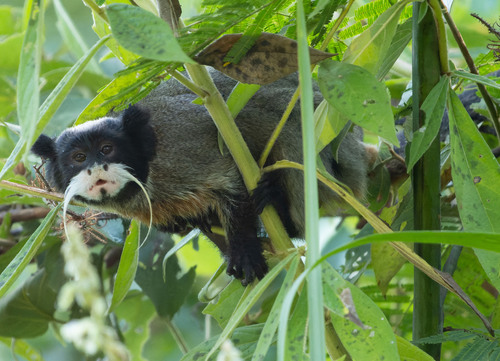
Same Genus (c) Simon Colenutt, some rights reserved (CC BY), uploaded by Simon Colenutt · cc-by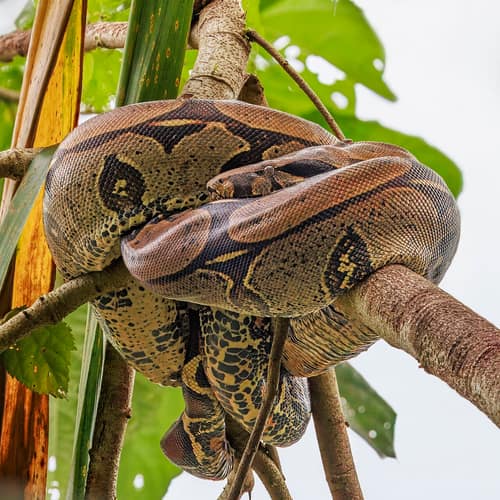
Predator Charles J. Sharp / CC BY-SA 4.0 · cc-by-sa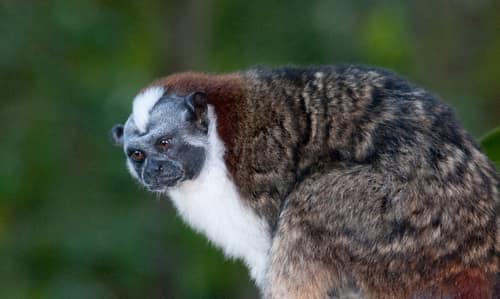
Close Relative (c) Brian Gratwicke, some rights reserved (CC BY) · cc-by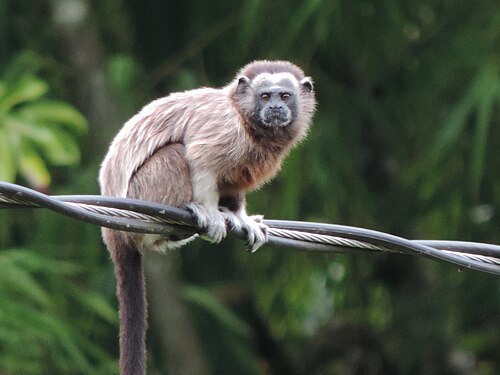
Close Relative Sebastian Serna Muñoz / CC BY 4.0 · cc-by
Found in Collections
Emerald Kingdom
Cotton-headed Tamarin is found in this collection. Identify it in Fauna to fill this slot and continue your progress.
Unlock to track progress
Report a name, category, or profile issue for review.