
Mammal · GBIF taxon 2436466
Geoffroy’s Tamarin
Saguinus geoffroyiAlso known as Geoffroy's Tamarin
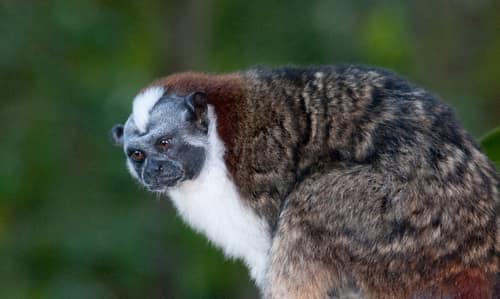
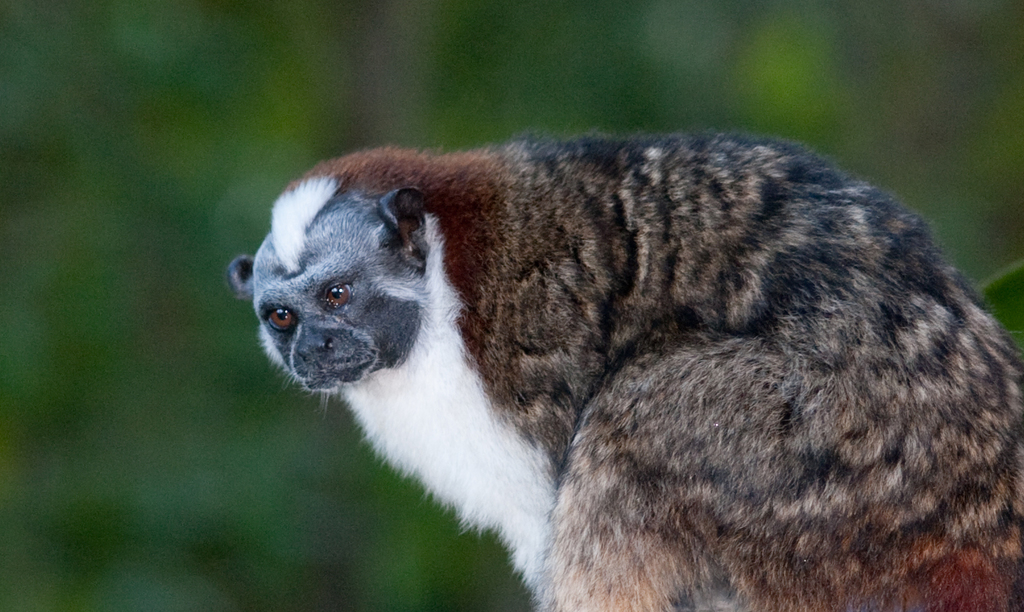
Geoffroy’s Tamarins are small agile primates with a contrasting pale forehead, dark face, reddish nape, and long tail. Family groups move through the lower canopy by day, using claw-like nails to cling to trunks and branches.
tamarinarboreal primatesocial mammal
—observations
—countries
—peak records
Near ThreatenedConservation statusIUCN Red List categoriesLCNTVUENCREWEXNear ThreatenedRed List categories, explained →
Diet & prey
- insects
- tree frogs
- small lizards
Predators
- raptors
- snakes
- small wild cats
ThreatsDeforestation, fragmentation, road mortality, pet trade, and human-wildlife conflict
HabitatsTropical dry and moist forest, secondary growth, forest edge, and connected woodland
Life spanOften ten to fifteen years, with survival varying between wild and managed populations
Size / weightNot available
Classification
- FamilyCallitrichidae
- SpeciesSaguinus geoffroyi
Range data is not available yet.
Interaction riskModerate
- Low
- Moderate
- High
- Very high
- Why interaction risk is moderate
- Feeding or touching a tamarin risks bites and disease transmission in both directions.
- Why it is dangerous
- A habituated or cornered primate can bite or scratch, and close contact can exchange pathogens.
- How to recognize a risky encounter
- Confirm a very small long-tailed primate with a pale forehead, dark face, and reddish nape.
- What to do
- Never feed, touch, trap, or pursue a tamarin; seek medical advice after any bite or scratch.
Responsible observation
- Observe: Keep food packed away and let the group choose its own distance.
- Listen: Rapid whistles and trills can reveal animals moving above the trail.
Help improve the field guideSomething wrong?
Checking your Fauna account…Report a name, category, or profile issue for review.