
Mammal
Human
Homo sapiensAlso known as Modern Human, Anatomically Modern Human
Humans are obligate bipedal hominids distinguished by their exceptional brain-to-body ratio, sparse body hair, and unprecedented capacity for symbolic language and tool fabrication. Living in intricate cooperative networks spanning small family units to global social structures, they reshape local landscapes to construct built environments and manage agricultural production. Their intense curiosity and ecological flexibility have allowed them to inhabit every continent and adapt to nearly every terrestrial biome on Earth.
GlobalBipedalOmnivorous


—observations
—countries
—peak records
Least ConcernConservation statusIUCN Red List categoriesLCNTVUENCREWEXLeast ConcernRed List categories, explained →
Diet & preyCultivated crops, Livestock, Wild game and seafood
Predators
- Large felids
- Large crocodilians
- Sharks
ThreatsEnvironmental degradation, climate change, emerging pathogens, and resource scarcity
HabitatsTerrestrial biomes globally, including urban, agricultural, forest, and arid regions
Life span70–85 years
Classification
- OrderPrimates
- FamilyHominidae
- GenusHomo
- SpeciesHomo sapiens
Range data is not available yet.
Interaction riskLow
- Low
- Moderate
- High
- Very high
- Why interaction risk is low
- Safe to observe at a normal distance.
Responsible observation
- Observing Behavior: Respect personal space and local cultural customs when interacting with individuals.
- Communication: Communicates through thousands of spoken languages, complex body language, and written symbols.
- Habitat Sharing: Expect to encounter modified environments shaped by human infrastructure almost everywhere.
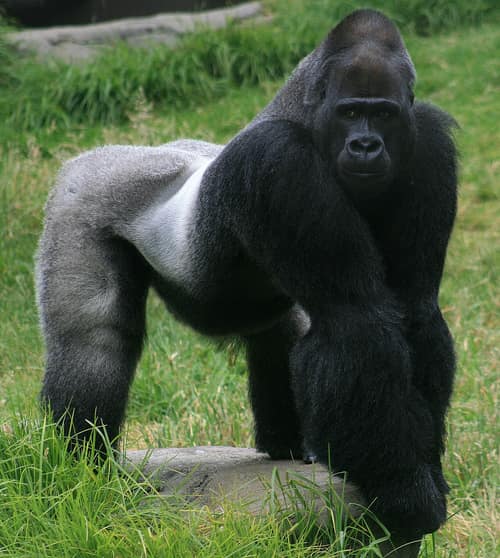
Hominid Kin Brocken Inaglory / CC BY-SA 3.0 · cc-by-sa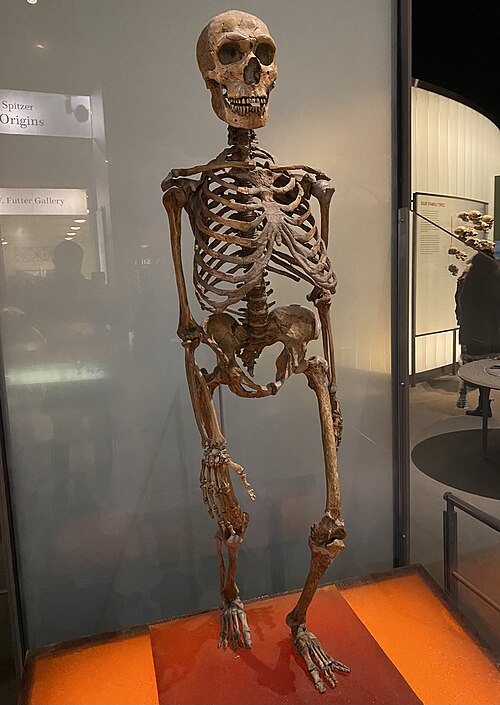
Extinct Kin Ryan Schwark / CC0 · cc0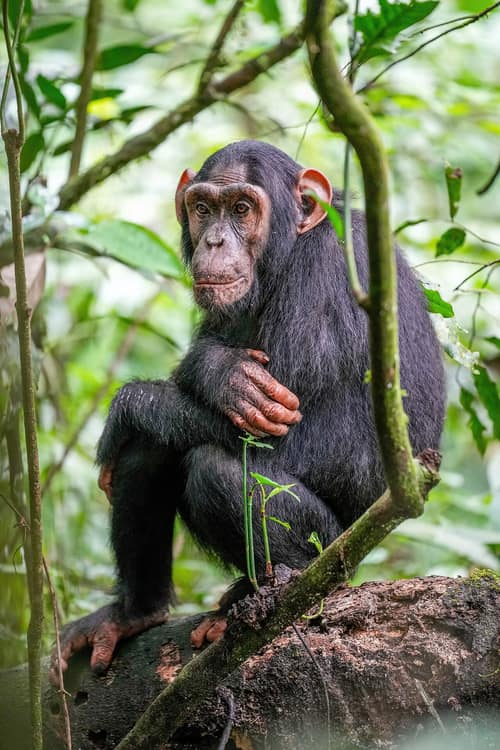
Close Relative Giles Laurent / CC BY-SA 4.0 · cc-by-sa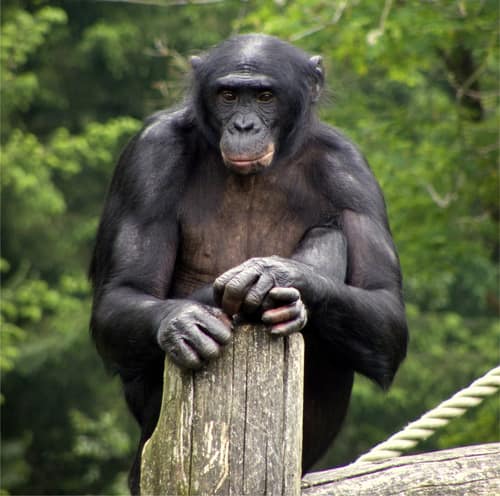
Close Relative natataek / CC BY-SA 3.0 · cc-by-sa
Help improve the field guideSomething wrong?
Checking your Fauna account…Report a name, category, or profile issue for review.