
Mammal · GBIF taxon 2436412
Ring-tailed Lemur
Lemur cattaAlso known as Maky, Hira
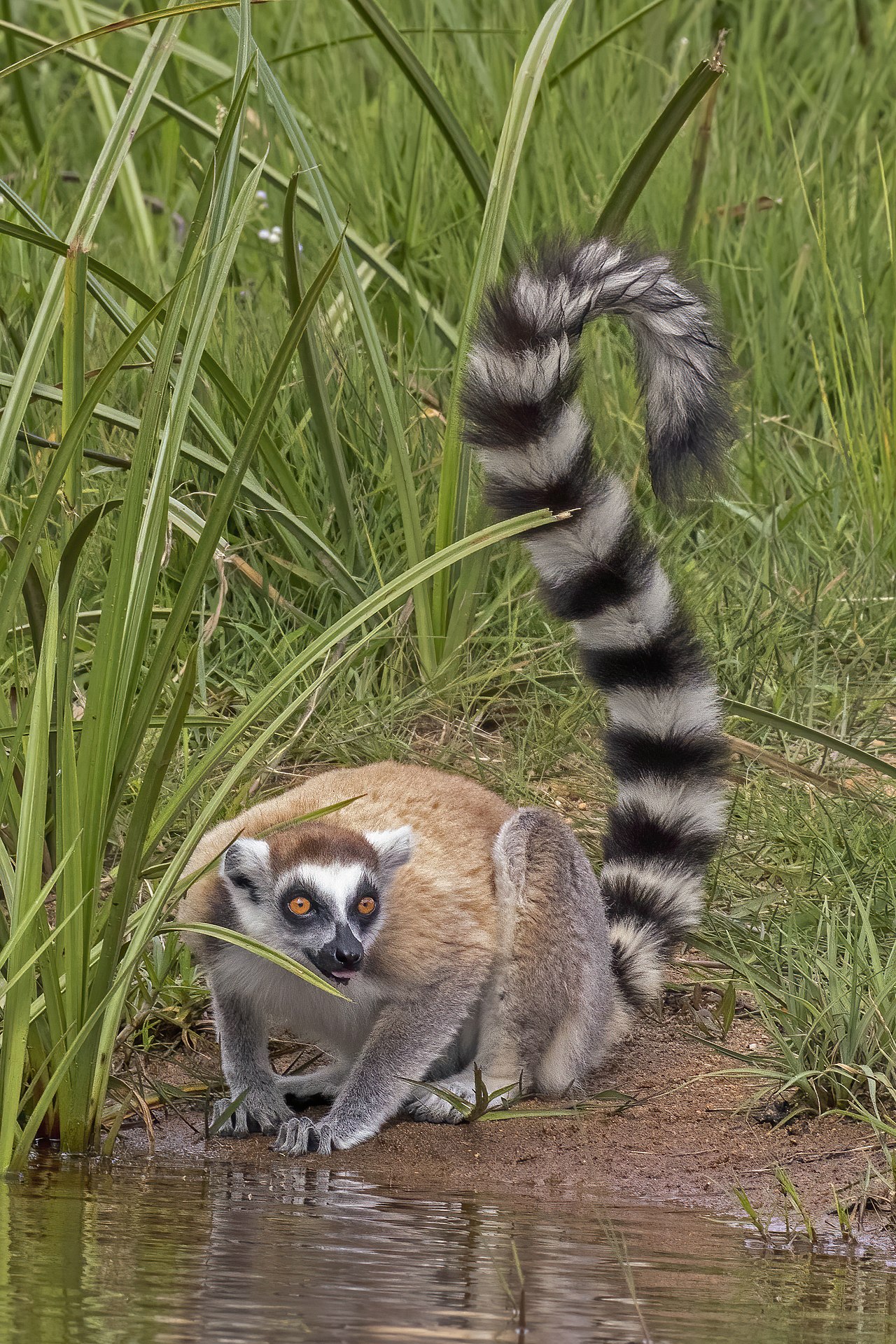
Ring-tailed lemurs move through the spiny scrub and gallery forests of southern Madagascar in highly social, female-dominated troops of up to thirty individuals. They spend significant time on the ground sunbathing with open arms to absorb morning warmth, communicating through a rich repertoire of purrs, meows, and territorial scent-marking. Intense stink fights among rival males involve rubbing tail glands against wrist glands and waving scent-laden tails toward opponents.
DiurnalPrimateEndemic

—observations
—countries
—peak records
EndangeredConservation statusIUCN Red List categoriesLCNTVUENCREWEXEndangeredRed List categories, explained →
Diet & prey
- Tamarind fruit
- Leaves
- Tree sap
Predators
- Fossa
- Madagascar Harrier-Hawk
- Madagascar Ground Boa
ThreatsHabitat destruction, bushmeat hunting, live pet trade, climate change
HabitatsGallery forests, spiny scrub, deciduous forests, rocky canyons
Life span15–20 years in the wild (up to 30 years in human care)
Size / weightNot available
Classification
- OrderPrimates
- FamilyLemuridae
- GenusLemur
- SpeciesLemur catta
Range data is not available yet.
Interaction riskLow
- Low
- Moderate
- High
- Very high
- Why interaction risk is low
- May bite or scratch if cornered; keep a respectful distance and avoid offering food.
- Why it is dangerous
- Equipped with sharp canine teeth and strong jaws capable of inflicting severe bite wounds when threatened or handled.
- How to recognize a risky encounter
- Recognized by its iconic black-and-white ringed tail, grey upperbody, white belly, and dark eye mask.
- What to do
- Never attempt to touch or corner wild lemurs; back away calmly if a troop approaches you.
- What to notice
- Medium-sized diurnal primate with a long striped tail, often seen moving on the ground in groups.
- Support conservation
- Remain on established trails in national parks and hire local guides to support conservation.
Responsible observation
- Maintain Distance: Observe quiet, natural behaviors without approaching closer than ten meters.
- Never Feed: Supplemental feeding disrupts natural foraging and spreads human diseases.
- Watch Behavior: Look for morning sunbathing postures and males scent-marking low branches.
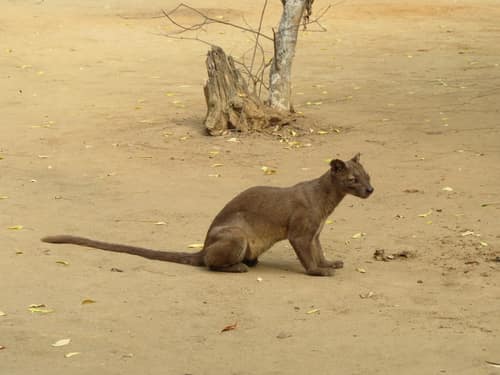
Predator (c) Micha Baum, some rights reserved (CC BY-SA), uploaded by Micha Baum · cc-by-sa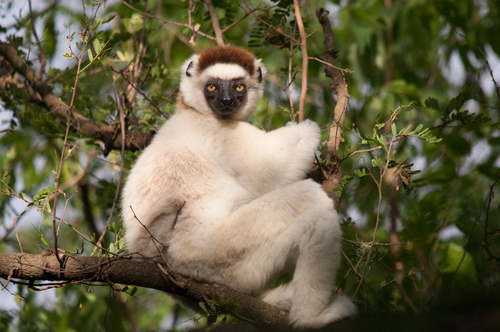
Frequent Companion (c) William Stephens, some rights reserved (CC BY), uploaded by William Stephens · cc-by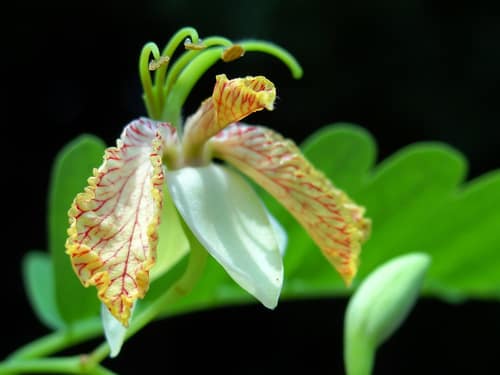
Key Food Source no rights reserved, uploaded by 葉子 · cc0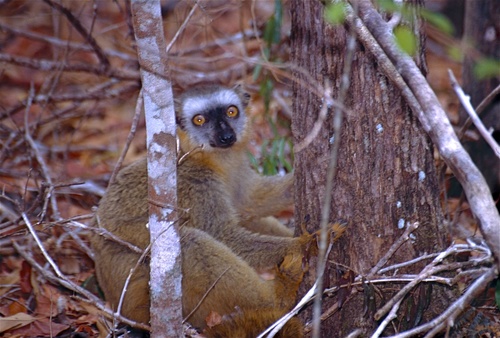
Close Relative (c) Bernard DUPONT, some rights reserved (CC BY-SA) · cc-by-sa
Help improve the field guideSomething wrong?
Checking your Fauna account…Report a name, category, or profile issue for review.