
Mammal
Bald Uakari
Cacajao calvusAlso known as Bald-headed Uakari, Red Uakari, White Uakari
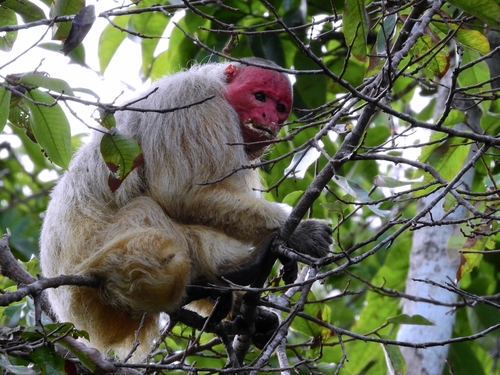
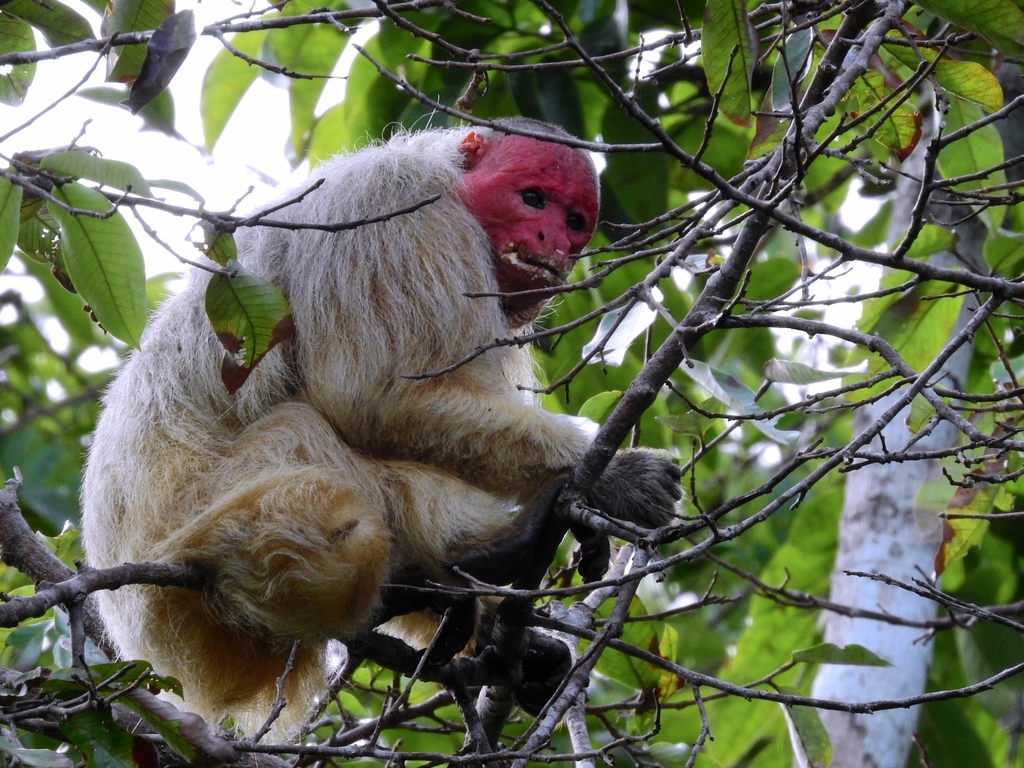
Bright crimson faces and striking bald heads make bald uakaris instantly recognizable as they leap through the high canopy of Amazonian flooded forests. Living in large troops of up to one hundred individuals, these social primates use exceptionally strong jaws to crack open tough, unripe seeds that other wildlife cannot penetrate. Their intense facial coloration serves as a visible sign of overall health, allowing potential mates to select robust partners.
ArborealFrugivoreSocial
—observations
—countries
—peak records
VulnerableConservation statusIUCN Red List categoriesLCNTVUENCREWEXVulnerableRed List categories, explained →
Diet & preyUnripe Seeds, Forest Fruits, Tree Snails
Predators
- Harpy Eagle
- Ocelot
- Boa Constrictor
ThreatsDeforestation, habitat fragmentation, logging, and hunting pressure
HabitatsVárzea flooded forests and riverbanks in the western Amazon basin
Life span15–20 years in the wild
Classification
- FamilyPitheciidae
- SpeciesCacajao calvus
Range data is not available yet.
Interaction riskLow
- Low
- Moderate
- High
- Very high
- Why interaction risk is low
- May bite defensively if cornered; observe quietly from a safe distance in canopy habitats.
- What to notice
- Identified by a vibrant red bald face, shaggy pale coat, and uniquely short stubby tail.
- Support conservation
- Observe strictly from boat waterways or established trails without approaching canopy roosts.
Responsible observation
- Boat Tours: Scan the high canopy of riverbanks in flooded várzea forests early in the morning when troops forage.
- Binoculars: Use high-magnification optics to view troop dynamics high in the canopy without causing disturbance.
- Noise Reduction: Keep quiet during field observations to avoid alarming sentries and flushing the troop.
 Image unavailable
Canopy Competitor 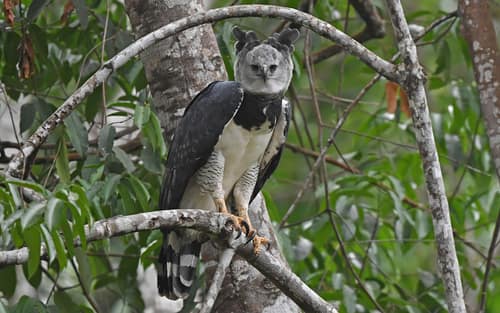
Predator (c) Christoph Moning, some rights reserved (CC BY), uploaded by Christoph Moning · cc-byClose Relative 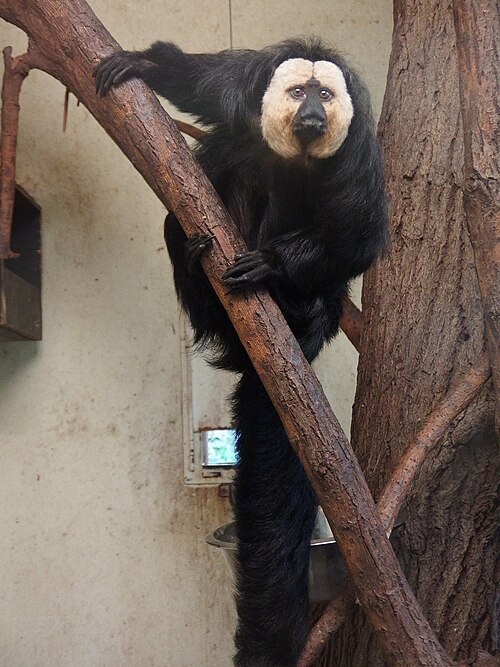
Family Relative Jik jik / CC BY-SA 4.0 · cc-by-sa
Help improve the field guideSomething wrong?
Checking your Fauna account…Report a name, category, or profile issue for review.