
Mammal
Star-nosed Mole
Condylura cristataStar-nosed moles are specialized semiaquatic mammals named for the 22 fleshy, pink tentacles fringing their snouts, which contain over 25,000 hyper-sensitive Eimer's organs. Capable of identifying and swallowing aquatic prey in under two-tenths of a second, they hold the record for the fastest foraging speed of any mammal. They remain active throughout winter, swimming beneath iced-over ponds and tunneling through saturated soils to hunt.
SemiaquaticSubterraneanInsectivore
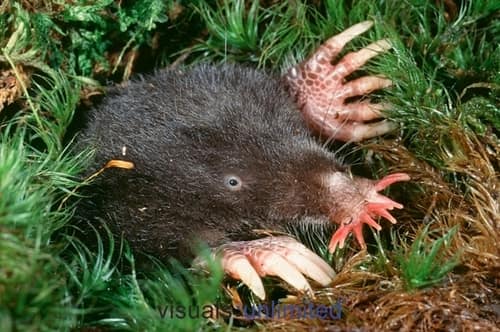
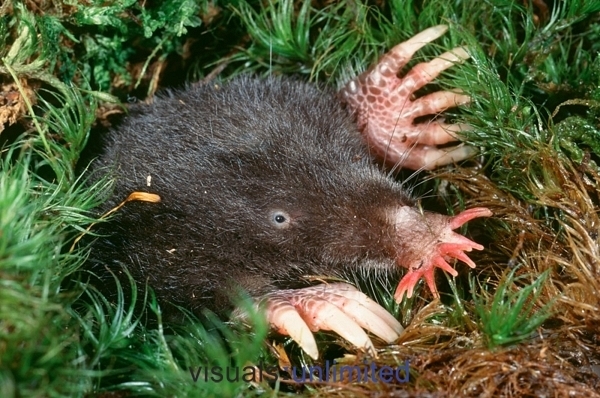
—observations
—countries
—peak records
Least ConcernConservation statusIUCN Red List categoriesLCNTVUENCREWEXLeast ConcernRed List categories, explained →
Diet & preyEarthworms, Aquatic Insect Larvae, Freshwater Crustaceans
Predators
- Great Horned Owl
- American Mink
- Bullfrog
ThreatsWetland drainage, habitat loss, water pollution
HabitatsWetlands, marshes, peat bogs, damp meadows, stream banks
Life span3–4 years
Classification
- FamilyTalpidae
- SpeciesCondylura cristata
Range data is not available yet.
Interaction riskLow
- Low
- Moderate
- High
- Very high
- Why interaction risk is low
- Capable of nipping if cornered or handled; observe quietly from a respectful distance.
Responsible observation
- Finding Tunnels: Look for shallow surface ridges and fresh mud mounds along wetland borders.
- Patience at Night: Watch quietly near marsh edges at twilight when aquatic activity peaks.
- Gentle Observation: Avoid disturbing burrow entrances or digging into active wetland tunnels.
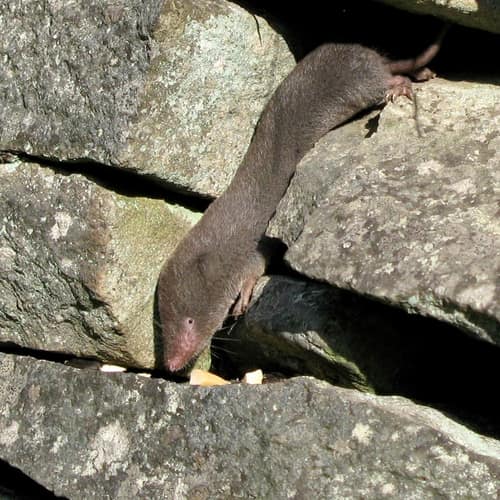
Competitor (c) Gilles Gonthier, some rights reserved (CC BY) · cc-by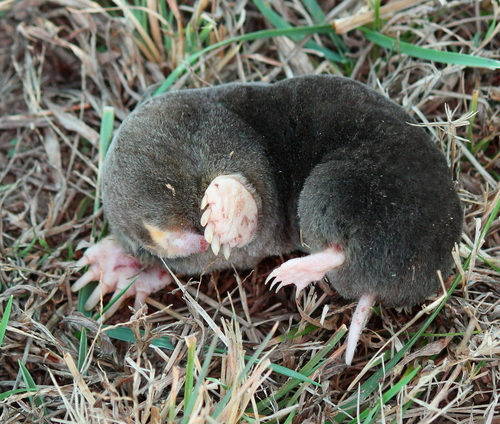
Close Relative (c) mayfly1963, some rights reserved (CC BY), uploaded by mayfly1963 · cc-by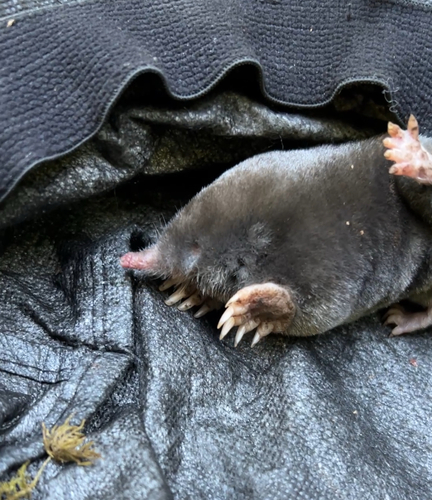
Close Relative (c) rpadilla_, some rights reserved (CC BY) · cc-by
Help improve the field guideSomething wrong?
Checking your Fauna account…Report a name, category, or profile issue for review.