
Mammal · GBIF taxon 2436117
Russian Desman
Desmana moschataAlso known as Vykhukhol
Equipped with a flexible, trunk-like snout and a laterally compressed tail, the Russian desman navigates murky freshwater shallows using sensitive whiskers and tactile cues rather than eyesight. Small, unrelated groups share intricate burrow networks dug into soft riverbanks, maintaining underwater entrance tunnels that trap exhaled air bubbles along the sediment floor. Once heavily trapped for its dense, waterproof pelt and musk glands, this rare insectivore now survives in fragmented oxbow lakes and slow-moving river valleys.
SemiaquaticNocturnal
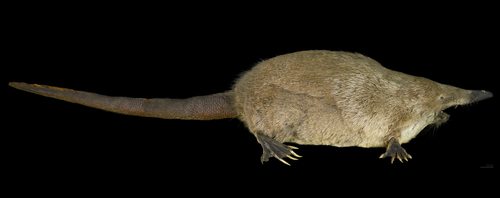
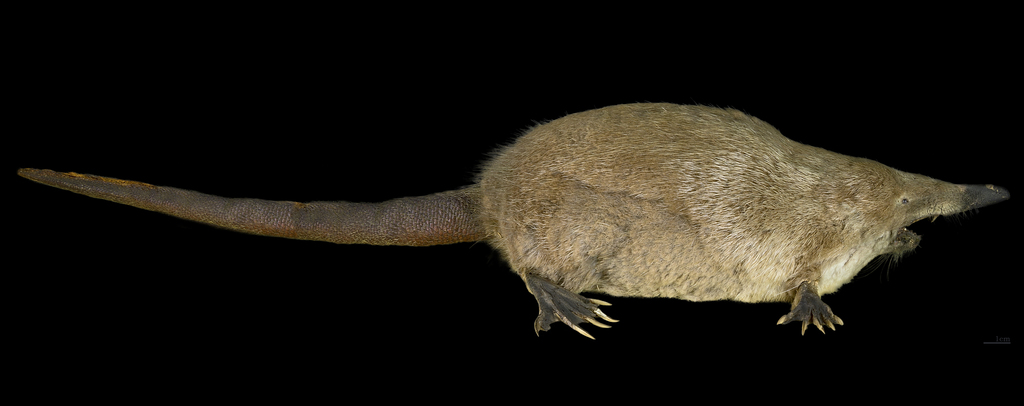
Licensed reference(c) Didier Descouens, some rights reserved (CC BY-SA) · cc-by-sa
—observations
—countries
—peak records
Critically EndangeredConservation statusIUCN Red List categoriesLCNTVUENCREWEXCritically EndangeredRed List categories, explained →
Diet & prey
- Freshwater snails
- Caddisfly larvae
- Crayfish
Predators
- Northern pike
- Red fox
- Eurasian eagle-owl
ThreatsAccidental drowning in illegal monofilament fishing nets, wetland drainage, river pollution, and dam construction
HabitatsSlow-moving lowland streams, oxbow lakes, floodplain pools, and densely vegetated freshwater ponds
Life span3–5 years
Size / weightNot available
Classification
- OrderSoricomorpha
- FamilyTalpidae
- GenusDesmana
- SpeciesDesmana moschata
Range data is not available yet.
Interaction riskLow
- Low
- Moderate
- High
- Very high
- Why interaction risk is low
- Safe to observe from a distance; never disturb or handle this critically endangered mammal.
- What to notice
- Recognizable by its elongated probe-like snout, webbed feet, and laterally flattened rudder tail in calm water.
- Support conservation
- Do not pursue swimming individuals, keep away from delicate riverbanks, and report sightings to local conservation authorities.
Responsible observation
- Habitat scanning: Search calm oxbow lakes and quiet river meanders at dawn or dusk for subtle surface ripples.
- Ethical viewing: Avoid disturbing shoreline banks or muddy shallows where burrow entrances and breathing paths are located.
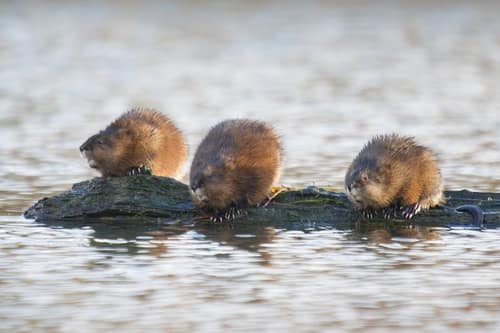
Competitor (c) Owen Strickland, some rights reserved (CC BY), uploaded by Owen Strickland · cc-by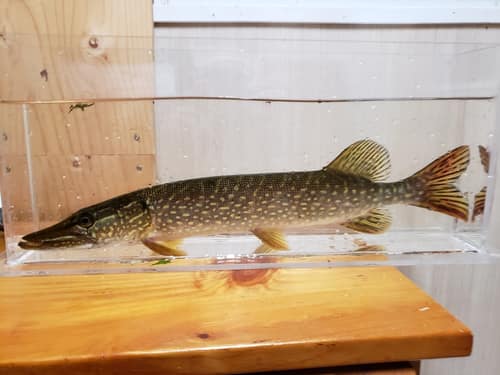
Predator (c) Patrick Jackson, some rights reserved (CC BY), uploaded by Patrick Jackson · cc-by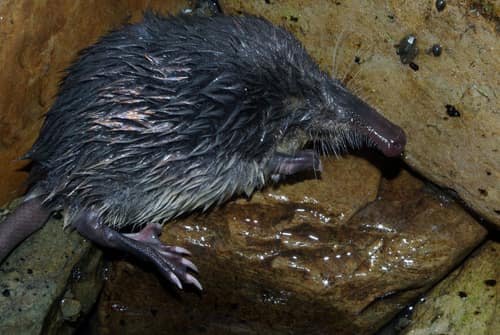
Close Relative (c) David Perez, some rights reserved (CC BY) · cc-by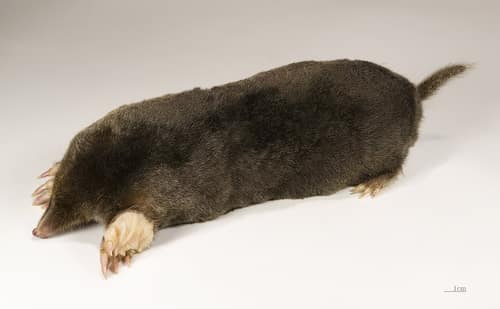
Same Family Didier Descouens / CC BY-SA 4.0 · cc-by-sa
Help improve the field guideSomething wrong?
Checking your Fauna account…Report a name, category, or profile issue for review.