
Mammal
Long-tailed Mountain Shrew
Episoriculus macrurusAlso known as Long-Tailed Brown-Toothed Shrew
Long-tailed mountain shrews navigate the dense, damp leaf litter of high-altitude Himalayan and Indochinese cloud forests. Driven by an intense metabolic rate, they forage nearly continuously through mossy undergrowth and rotting logs for soil invertebrates. Their exceptionally slender tail, which noticeably exceeds the length of the head and body, helps provide tactile awareness and balance in tangled vegetation.
MontaneInsectivorousNocturnal
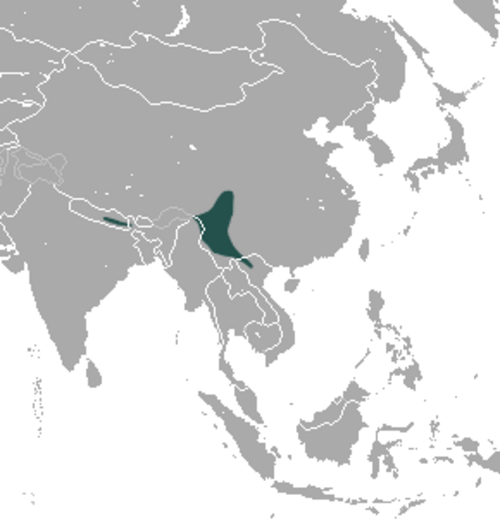
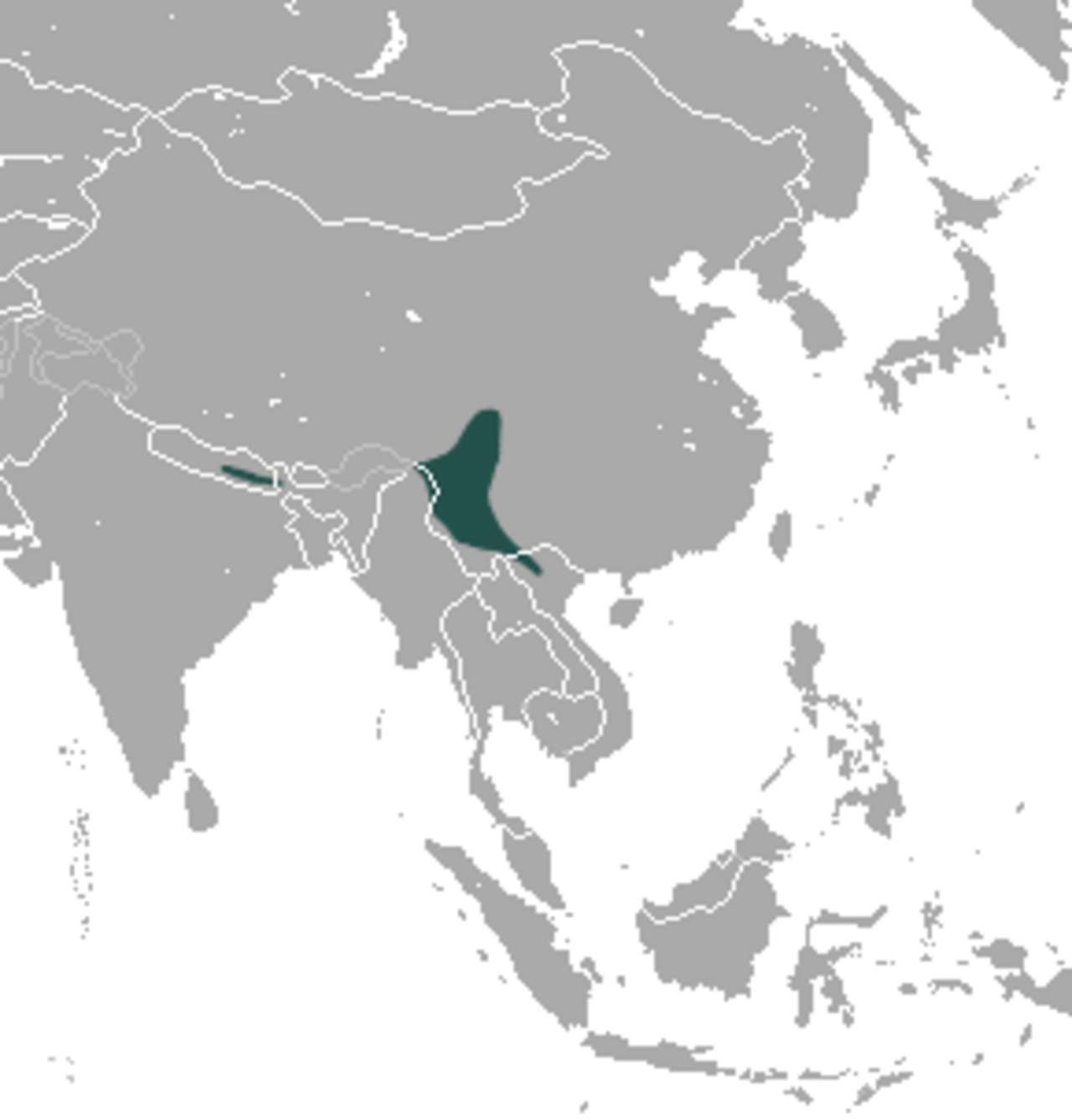
—observations
—countries
—peak records
Least ConcernConservation statusIUCN Red List categoriesLCNTVUENCREWEXLeast ConcernRed List categories, explained →
Diet & preyEarthworms, Beetle larvae, Ground spiders
Predators
- Mountain scops owl
- Yellow-throated marten
- Himalayan pit viper
ThreatsDeforestation, infrastructure expansion, and climate-induced loss of cloud forest habitat
HabitatsMontane rhododendron forests, moist bamboo thickets, and mossy alpine ravines
Life span1–2 years
Classification
- FamilySoricidae
- SpeciesEpisoriculus macrurus
Range data is not available yet.
Interaction riskLow
- Low
- Moderate
- High
- Very high
- Why interaction risk is low
- May deliver a sharp pinch or defensive bite if grabbed; safe to watch from a distance.
Responsible observation
- Spotting Sign: Listen for faint rustling in damp, moss-covered ground litter along montane trails.
- Night Walks: Use a low-intensity red headlamp along forest edges to spot nocturnal scurrying.
- Handling Precaution: Avoid capturing or handling wild shrews directly, as their tiny teeth can break skin.
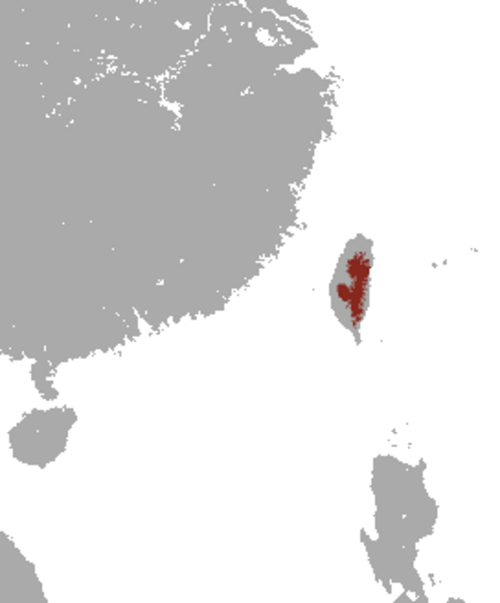
Same Genus Chermundy / CC BY-SA 3.0 · cc-by-sa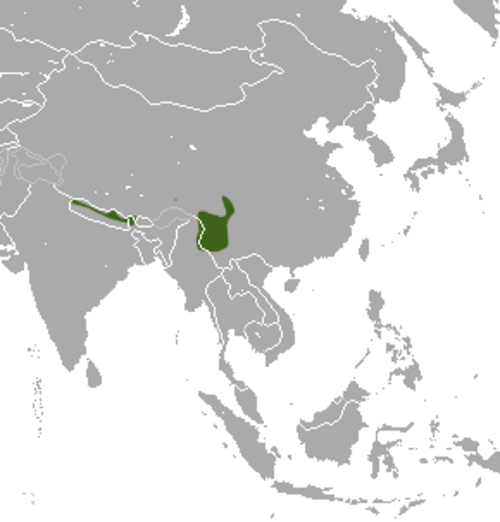
Close Relative Chermundy / CC BY-SA 3.0 · cc-by-sa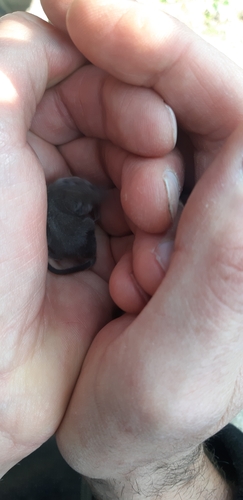
Same Family (c) Leonardo Ancillotto, some rights reserved (CC BY) · cc-by
Help improve the field guideSomething wrong?
Checking your Fauna account…Report a name, category, or profile issue for review.