
Mammal · GBIF taxon 2435520
Asian House Shrew
Suncus murinusAlso known as House Shrew
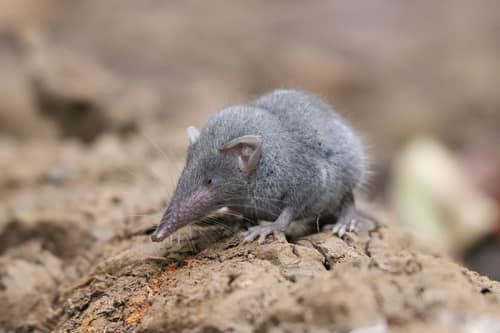
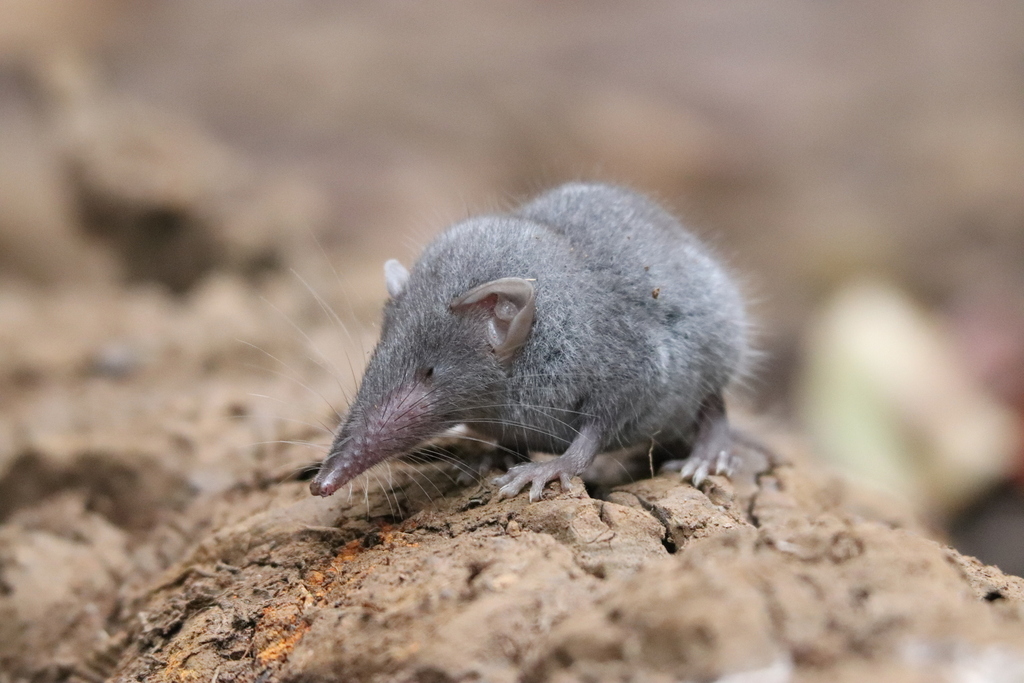
The Asian House Shrew is a gray-brown insectivore with a long mobile snout, small eyes, and a strong musky odor. Mostly active at night, it follows walls and ground cover near buildings while searching for cockroaches and other invertebrates.
Nocturnal InsectivoreUrban MammalPointed Snout
—observations
—countries
—peak records
Least ConcernConservation statusIUCN Red List categoriesLCNTVUENCREWEXLeast ConcernRed List categories, explained →
Diet & prey
- Cockroaches
- Crickets
- Earthworms
Predators
- Owls
- Snakes
- Domestic cats
ThreatsRodenticides, trapping, traffic, domestic predators, and habitat sanitation
HabitatsHomes, gardens, farms, warehouses, scrub, forest edge, and disturbed ground
Life spanUsually about 1 to 2 years in the wild
Size / weightNot available
Classification
- FamilySoricidae
- SpeciesSuncus murinus
Native Introduced
Native range in olive; established introduced range in rust.
Interaction riskModerate
- Low
- Moderate
- High
- Very high
- Why interaction risk is moderate
- Avoid direct contact with shrews, droppings, and contaminated surfaces.
- Why it is dangerous
- Wild shrews may carry parasites or pathogens and can bite painfully if cornered or captured.
- How to recognize a risky encounter
- A gray-brown mammal with a strongly pointed mobile snout, small eyes, and musky odor.
- What to do
- Do not touch it or its waste barehanded; keep pets away and seek professional removal help.
Responsible observation
- Identity: Note the pointed snout and smaller eyes rather than relying on size.
- Indoors: Remove attractants and use humane professional exclusion methods.
Help improve the field guideSomething wrong?
Checking your Fauna account…Report a name, category, or profile issue for review.