
Mammal · GBIF taxon 2435506
Pygmy White-toothed Shrew
Suncus etruscusAlso known as Etruscan Shrew, Etruscan Pygmy Shrew, Savi's Pygmy Shrew
Etruscan shrews maintain an astonishing metabolic rate, with heart rates exceeding a thousand beats per minute to power their diminutive bodies. They hunt almost continuously through leaf litter and rock crevices, relying on sensitive facial whiskers to strike crickets and spiders nearly their own size in total darkness. When food is scarce or temperatures drop sharply, individuals can enter brief bouts of daily torpor to conserve critical energy.
NocturnalInsectivoreMammal
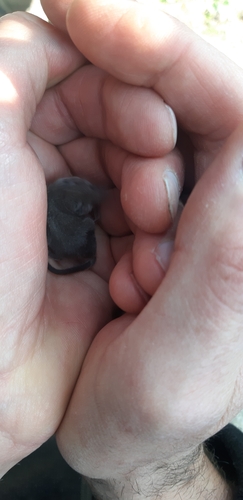
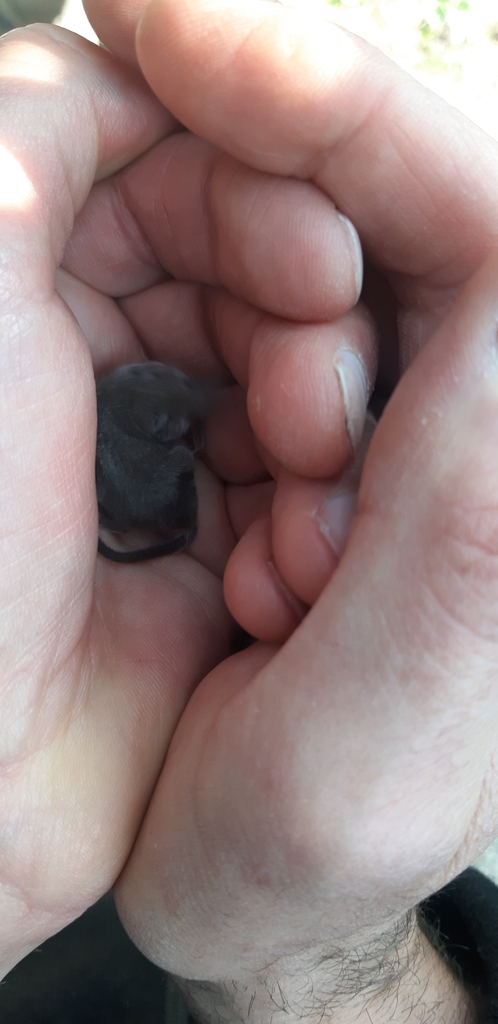
—observations
—countries
—peak records
Least ConcernConservation statusIUCN Red List categoriesLCNTVUENCREWEXLeast ConcernRed List categories, explained →
Diet & prey
- Spiders
- Crickets
- Beetle Larvae
Predators
- Barn Owl
- Domestic Cat
- Montpellier Snake
ThreatsAgricultural intensification, excessive pesticide use, and habitat loss
HabitatsWarm temperate scrublands, dry grasslands, abandoned terraces, and olive groves
Life span1–2 years
Classification
- OrderSoricomorpha
- FamilySoricidae
- GenusSuncus
- SpeciesSuncus etruscus
Range data is not available yet.
Interaction riskLow
- Low
- Moderate
- High
- Very high
- Why interaction risk is low
- Safe to observe at a normal distance.
Responsible observation
- Spotting: Check beneath dry stone walls, fallen logs, and dense leaf litter around dusk.
- Observation: Use a red-filtered headlamp to view nocturnal activity without startling them.
- Handling: Never capture or handle wild shrews; extreme stress can prove quickly fatal.
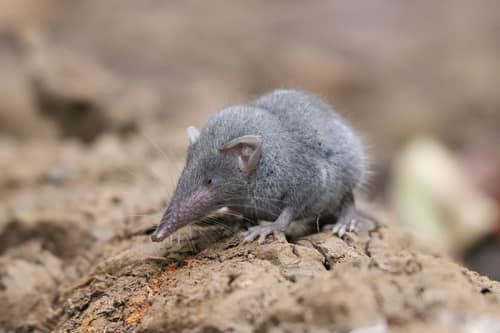
Same Genus (c) Roland Godon, some rights reserved (CC BY), uploaded by Roland Godon · cc-by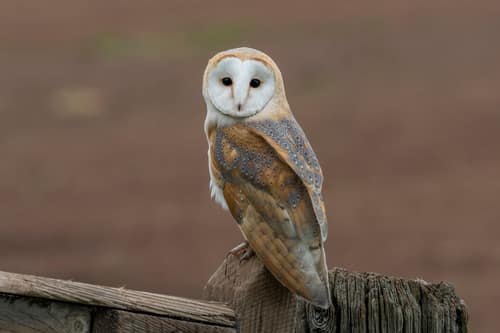
Predator (c) caroline legg, some rights reserved (CC BY) · cc-by Image unavailable
Same Family
Help improve the field guideSomething wrong?
Checking your Fauna account…Report a name, category, or profile issue for review.