
Mammal · GBIF taxon 2435467
Kowari
Dasyuroides byrneiAlso known as Kariri, Brush-tailed Marsupial Rat, Byrne's Crest-tailed Marsupial Mouse
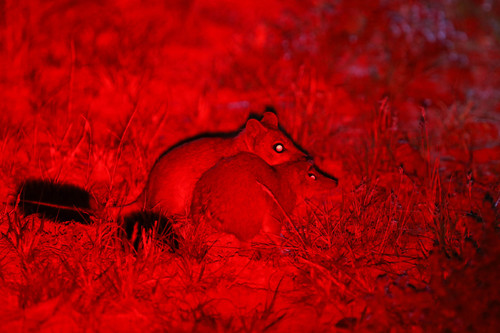
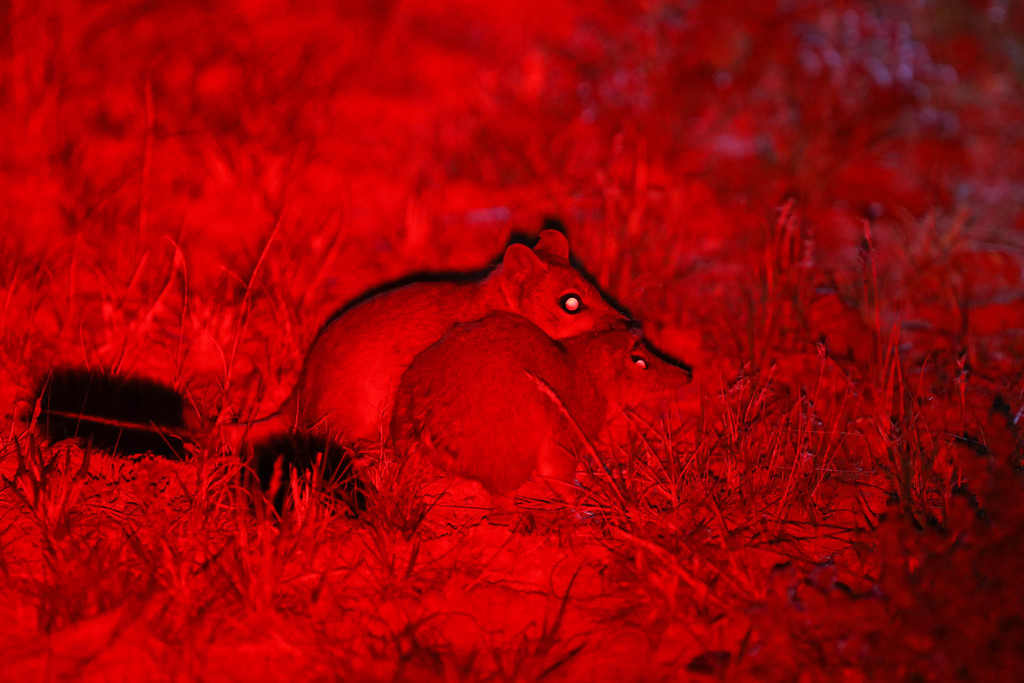
Kowaris thrive on the harsh, wind-swept gibber plains of central Australia, where they construct deep burrows under clay mounds to escape the daytime desert heat. At night, these fierce little predators emerge to hunt insects, spiders, and small vertebrates across the stony flats. A prominent crest of dark, bushy hairs on the end of their tail acts as a visual signal during social encounters with neighbors.
NocturnalDesertMarsupial
—observations
—countries
—peak records
VulnerableConservation statusIUCN Red List categoriesLCNTVUENCREWEXVulnerableRed List categories, explained →
Diet & prey
- Insects
- Small Lizards
- Rodents
Predators
- Feral Cat
- Red Fox
- Owls
ThreatsPredation by feral cats and foxes, livestock grazing, climate extremes
HabitatsGibber deserts, stony plains, sparse arid shrublands
Life span3–6 years
Size / weightNot available
Classification
- FamilyDasyuridae
- SpeciesDasyuroides byrnei
Range data is not available yet.
Interaction riskLow
- Low
- Moderate
- High
- Very high
- Why interaction risk is low
- Capable of giving a sharp bite if handled; observe quietly from a respectful distance.
- What to notice
- Look for a grey, rat-sized marsupial with a distinctive bushy black crest on the terminal half of its tail.
- Support conservation
- Avoid disturbing burrow entrances and use low-intensity red lighting to minimize stress during nocturnal observations.
Responsible observation
- Patience at Night: Use a red-filtered spotlight along gibber desert tracks after dusk to spot their reflective eyes without blinding them.
- Look for Burrows: Seek out low mounds in clay pans between stony gibber rises where they construct deep underground burrows.
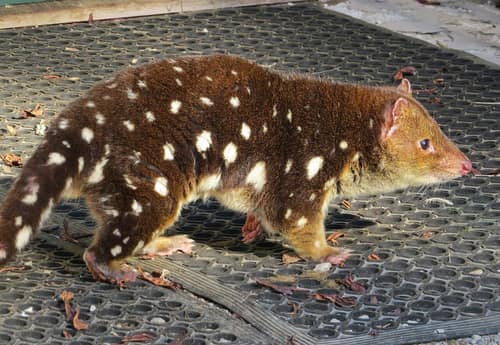
Larger Kinsman pimelea / CC BY 4.0 · cc-by Image unavailable
Close Relative Desert Relative
Help improve the field guideSomething wrong?
Checking your Fauna account…Report a name, category, or profile issue for review.