
Mammal · GBIF taxon 2435451
Tasmanian Devil
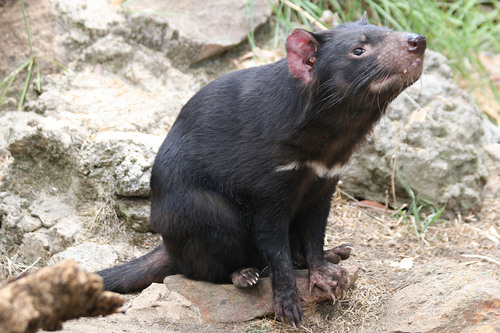
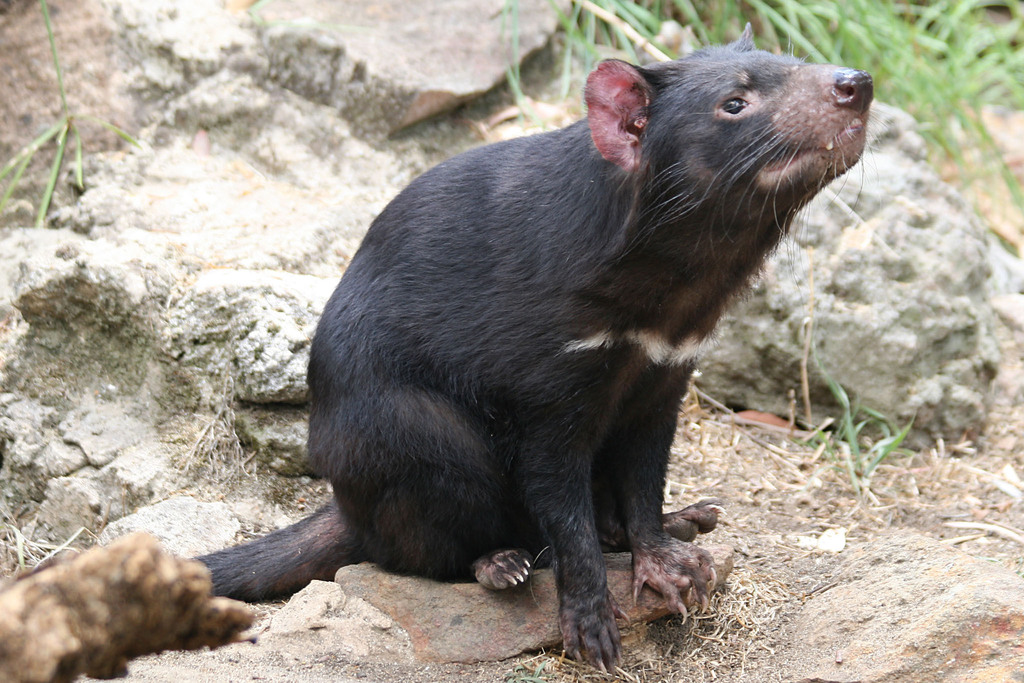
Sarcophilus harrisiiTasmanian devils are nocturnal marsupial scavengers renowned for their bone-crushing jaw strength and chaotic, communal feeding sessions. When agitated or competing over carrion, they flush their ears bright red, release a pungent musk, and emit blood-curdling screeches heard across the bush. Severe population declines caused by a transmissible facial cancer have placed these iconic carnivores under intensive conservation management.
MarsupialNocturnalCarnivore
—observations
—countries
—peak records
EndangeredConservation statusIUCN Red List categoriesLCNTVUENCREWEXEndangeredRed List categories, explained →
Diet & prey
- Wombat
- Tasmanian Pademelon
- Carrion
Predators
- Tasmanian Wedge-tailed Eagle
- Domestic Dog
ThreatsDevil Facial Tumor Disease, road collisions, dog attacks
HabitatsEucalypt forests, woodlands, coastal scrub, agricultural lands
Life span5–8 years
Classification
- FamilyDasyuridae
- SpeciesSarcophilus harrisii
Range data is not available yet.
Interaction riskLow
- Low
- Moderate
- High
- Very high
- Why interaction risk is low
- Delivers an exceptionally powerful bite if cornered; observe quietly from a safe distance.
- Why it is dangerous
- Possesses immense jaw muscle force capable of breaking bones, causing severe tissue damage if provoked or handled.
- How to recognize a risky encounter
- Look for a stocky, black marsupial with white chest bands and a broad head that screeches loud nocturnal calls.
- What to do
- Never handle wild individuals, step back when encountering a feeding carcass, and keep domestic dogs on leashes.
- What to notice
- Recognizable by its dark fur, bear-like stance, white chest blaze, and aggressive communal vocalizations.
- Support conservation
- Observe silently from a distance, drive slowly on rural roads at night, and report sick individuals to local conservation agencies.
Responsible observation
- Drive cautiously: Reduce speed on Tasmanian roads after dusk to protect feeding devils from collisions.
- Give wide berth: Avoid approaching screeching or feeding individuals to prevent defensive reactions.
- Secure camp food: Store garbage and food items in rigid containers to deter night scavengers.
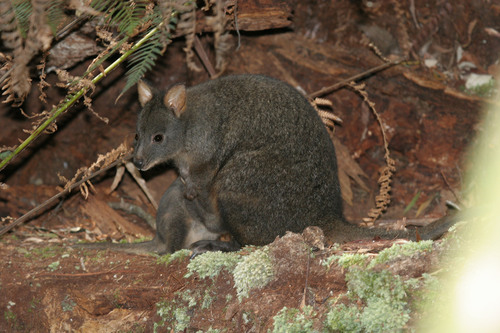
Prey (c) Kristof & Yulia, some rights reserved (CC BY), uploaded by Kristof & Yulia · cc-by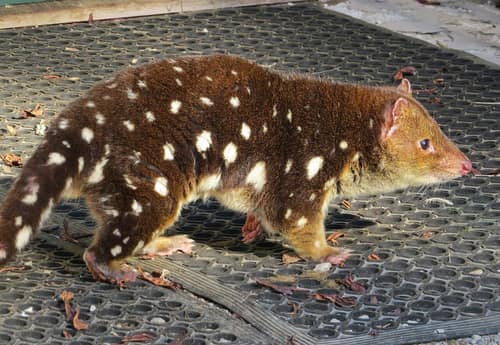
Close Relative pimelea / CC BY 4.0 · cc-by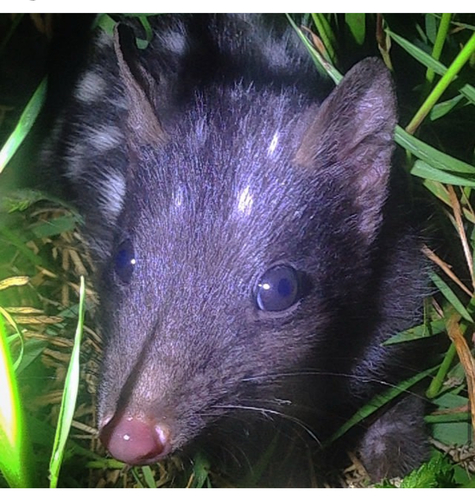
Close Relative no rights reserved · cc0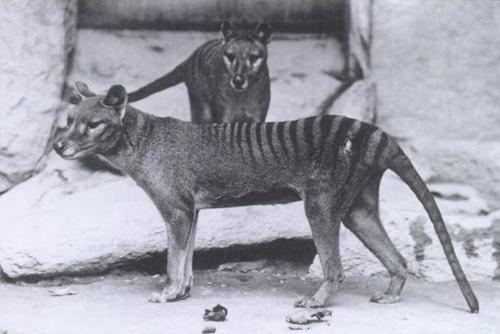
Distant Relative (c) Kelly Garbato, some rights reserved (CC BY) · cc-by
Help improve the field guideSomething wrong?
Checking your Fauna account…Report a name, category, or profile issue for review.