
Mammal · GBIF taxon 2435294
African Manatee
Trichechus senegalensisAlso known as West African Manatee
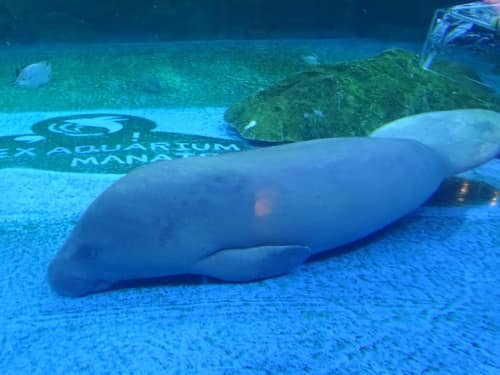
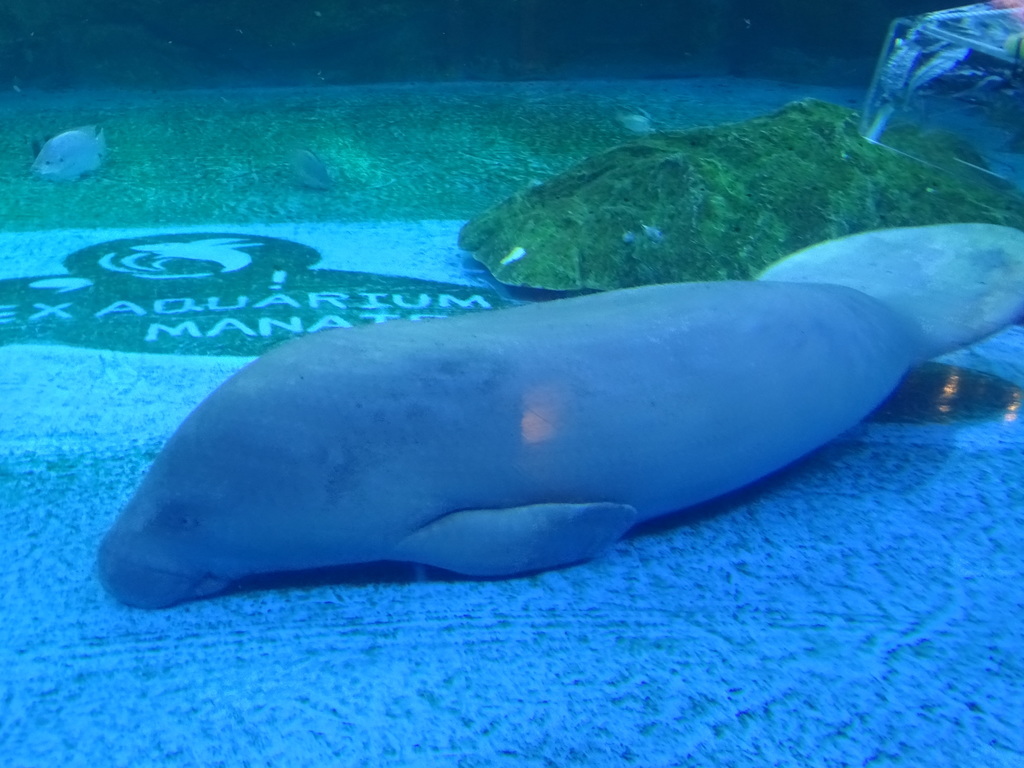
The African Manatee is a large aquatic mammal with a rounded body, flexible lips, paddlelike forelimbs, and a broad rounded tail. It moves through rivers, lagoons, and coastal wetlands to browse vegetation, surfacing quietly for air.
aquatic herbivoreWest African sirenianestuary mammal
—observations
—countries
—peak records
VulnerableConservation statusIUCN Red List categoriesLCNTVUENCREWEXVulnerableRed List categories, explained →
Diet & prey
- mollusks
- small fish
Predators
- crocodiles
- large sharks
- humans
ThreatsHunting, fishing-net entanglement, dams, boat strikes, habitat loss, pollution, and wetland fragmentation
HabitatsRivers, estuaries, coastal lagoons, mangroves, lakes, floodplains, and brackish wetlands
Life spanLikely 30 to 50 years, though wild longevity records are limited
Size / weightNot available
Classification
- FamilyTrichechidae
- SpeciesTrichechus senegalensis
Range data is not available yet.
Interaction riskHigh
- Low
- Moderate
- High
- Very high
- Why interaction risk is high
- Never touch, feed, chase, swim toward, or block a manatee or its route to the surface.
- Why it is dangerous
- A large manatee can cause accidental injury through its mass when crowded, touched, or blocked near a boat.
- How to recognize a risky encounter
- A massive gray aquatic mammal with paddlelike forelimbs, a rounded tail, and a blunt whiskered muzzle.
- What to do
- Never touch, feed, ride, pursue, or enter the water near it; keep vessels slow and distant.
- What to notice
- Confirm a large dark body, rounded tail, blunt muzzle, and circular surface ripple without approaching.
- Support conservation
- Keep engines slow, never swim toward or touch it, and report injured animals to authorized responders.
Responsible observation
- Surface: Watch for a rounded snout, quiet breath, and circular dive ripple.
- Boating: Reduce speed and keep a broad buffer in shallow or turbid water.
Help improve the field guideSomething wrong?
Checking your Fauna account…Report a name, category, or profile issue for review.