
Mammal · GBIF taxon 2435261
Iberian Lynx
Lynx pardinusAlso known as Spanish Lynx
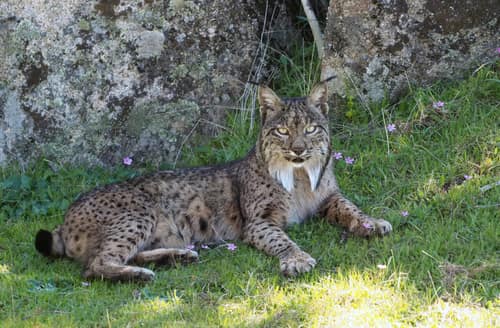
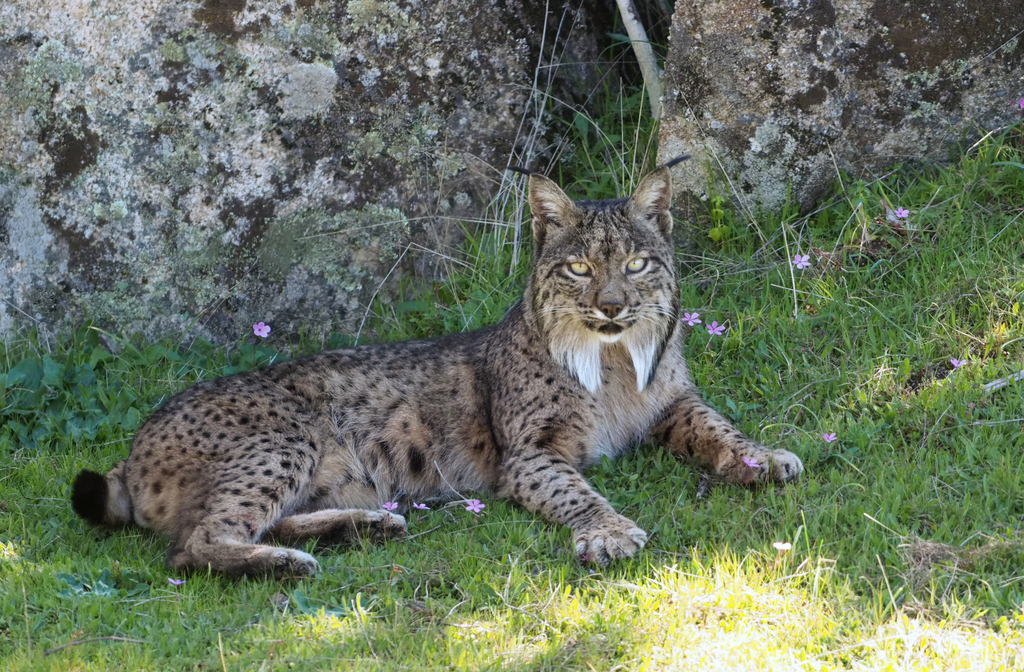
Iberian lynx are specialized feline hunters easily recognized by their flared facial ruffs, black ear tufts, and heavily spotted coats. They depend almost entirely on wild European rabbits, stalking prey through Mediterranean scrubland and dense oak woodlands before executing lightning fast strikes. Intensive captive breeding and rewilding efforts across Spain and Portugal have spearheaded one of the most remarkable conservation turnarounds in Europe.
EndemicCarnivoreSolitary
—observations
—countries
—peak records
VulnerableConservation statusIUCN Red List categoriesLCNTVUENCREWEXVulnerableRed List categories, explained →
Diet & prey
- European Rabbit
- Red-legged Partridge
- Fallow Deer fawn
Predators
- Golden Eagle
- Wolf
ThreatsRabbit disease outbreaks, vehicle collisions, and habitat fragmentation
HabitatsMediterranean scrubland, open oak woodlands, and pine forests
Life span10–15 years in the wild
Size / weightNot available
Classification
- FamilyFelidae
- SpeciesLynx pardinus
Range data is not available yet.
Interaction riskHigh
- Low
- Moderate
- High
- Very high
- Why interaction risk is high
- Avoid approaching or cornering wild cats; observe quietly from a safe distance.
- What to notice
- Recognizable by prominent facial ruffs, tufted ears, and a tawny spotted coat in Iberian woodlands.
- Support conservation
- Maintain a respectful distance, stay on designated roads, and never use call playbacks near breeding dens.
Responsible observation
- Optimal Viewing: Search Mediterranean oak woodlands during dawn or dusk when hunting activity peaks.
- Conservation Etiquette: Remain inside official vehicle blinds or marked trails in protected nature reserves.
- Spotting Features: Scan lower tree limbs and rock outcrops for prominent beard tufts and ear tassels.

Primary Prey (c) Alexis Lours, some rights reserved (CC BY), uploaded by Alexis Lours · cc-by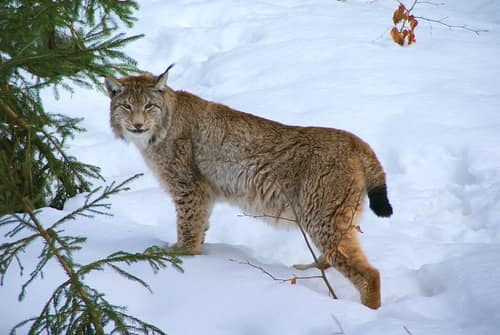
Close Relative Aconcagua (talk) / CC BY-SA 3.0 · cc-by-sa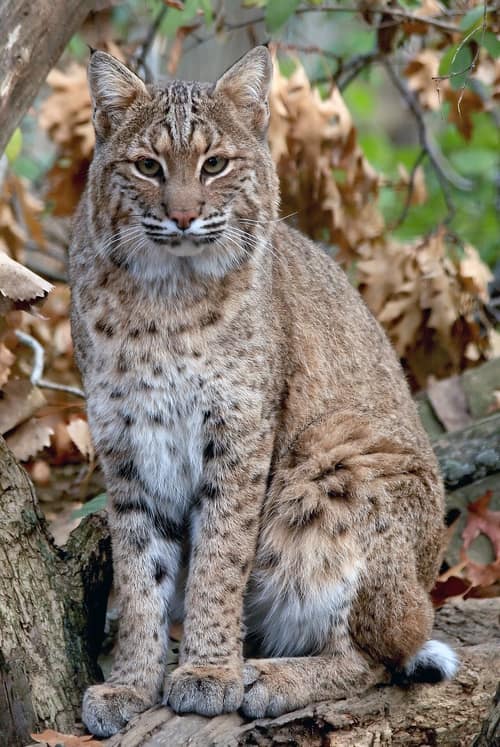
Close Relative Becker1999 (Paul and Cathy) / CC BY 2.0 · cc-by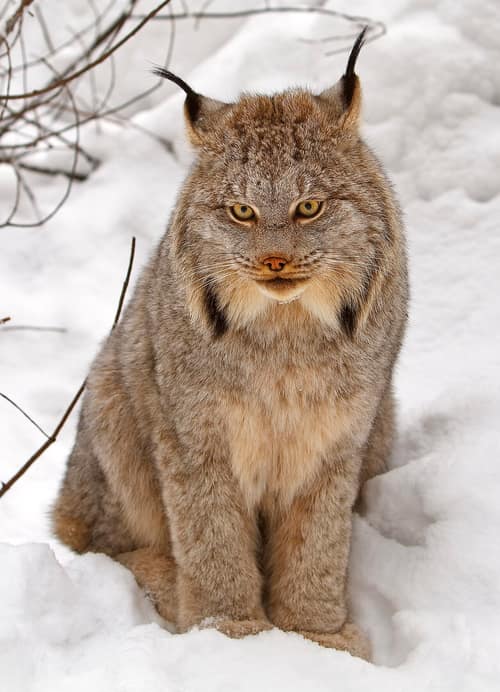
Close Relative Michael Zahra / CC BY-SA 3.0 · cc-by-sa
Keep collecting in Fauna
Found in Collections
Ecosystem chain Pro
Alpine Heights
Iberian Lynx is found in this collection. Identify it in Fauna to fill this slot and continue your progress.
Unlock to track progress
Help improve the field guideSomething wrong?
Checking your Fauna account…Report a name, category, or profile issue for review.