
Mammal · GBIF taxon 2435240
Eurasian Lynx
Lynx lynxAlso known as Northern Lynx, European Lynx
Eurasian lynx are solitary, stealthy apex predators easily recognized by their long ear tufts, flared facial ruffs, and short black-tipped tails. They patrol vast forested territories, hunting mainly small ungulates like roe deer and chamois under the cover of dusk and dawn. Their oversized, fur-lined paws act as natural snowshoes, allowing them to navigate deep winter snowpack with quiet ease.
SolitaryApex PredatorForest Dweller
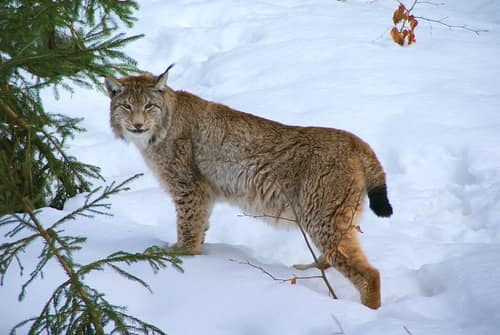
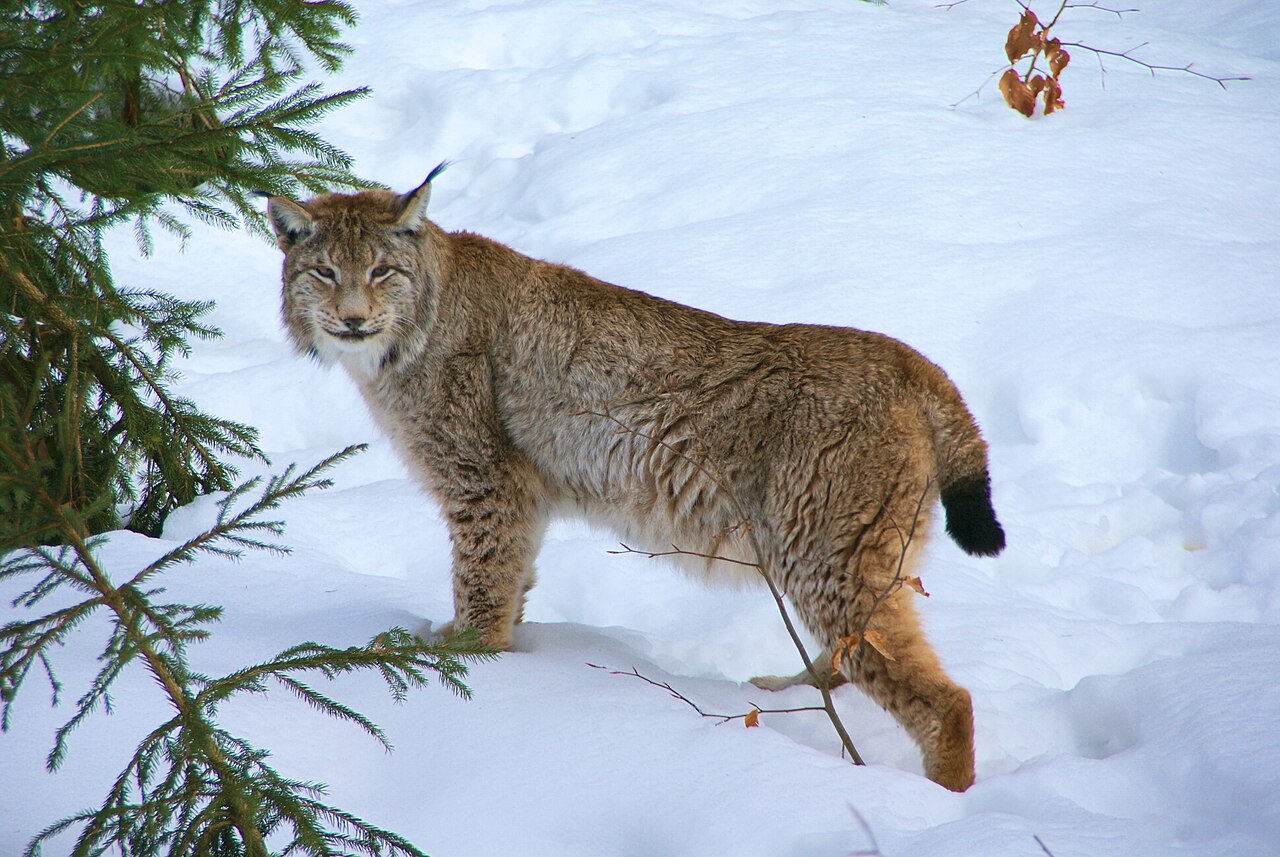
Licensed referenceAconcagua (talk) / CC BY-SA 3.0 · cc-by-sa
—observations
—countries
—peak records
Least ConcernConservation statusIUCN Red List categoriesLCNTVUENCREWEXLeast ConcernRed List categories, explained →
Diet & prey
- Roe Deer
- Chamois
- Mountain Hare
Predators
- Grey Wolf
- Brown Bear
ThreatsHabitat loss and fragmentation, poaching, depletion of prey
HabitatsTemperate, boreal, and subalpine forests, rocky montane areas
Life span10–15 years in the wild
Size / weightNot available
Classification
- FamilyFelidae
- SpeciesLynx lynx
Range data is not available yet.
Interaction riskHigh
- Low
- Moderate
- High
- Very high
- Why interaction risk is high
- Large wild predator; observe from a safe distance and never corner or approach.
- Why it is dangerous
- Equipped with powerful jaws and sharp claws that can inflict severe lacerations if cornered or defending young.
- How to recognize a risky encounter
- Look for distinctive black ear tufts, broad facial ruffs, a spotted coat, and a short black-tipped tail.
- What to do
- Maintain a distance of at least 50 meters, provide an open escape route, and never approach mothers with kittens.
- What to notice
- Recognizable in snow by broad, four-toed prints without claw marks, typically active near dawn or dusk.
- Support conservation
- Avoid tracking individuals in deep snow to prevent unnecessary stress, and report wild sightings to local conservation authorities.
Responsible observation
- Look for Tracks: Search quiet winter forest trails for broad, round, four-toed prints without visible claw marks.
- Keep Safe Distance: Give these elusive predators a wide berth if encountered, allowing them a clear path to retreat.
- Scan Ridge Lines: Look along rocky outcrops or dense timber edges during twilight hours.

Primary Prey "Ree bok - Roe deer male" by Arend Vermazeren is licensed under CC BY 2.0. To view a copy of this license, visit https://creativecommons.org/licenses/by/2.0/. · cc-by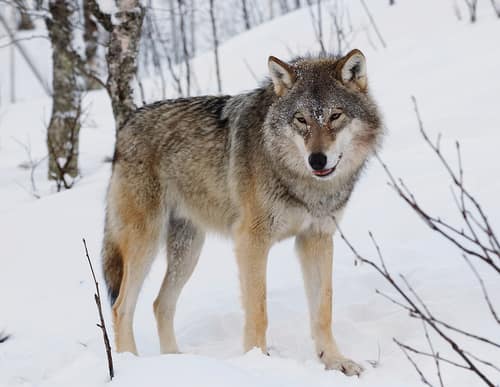
Competitor User:Mas3cf / CC BY-SA 4.0 · cc-by-sa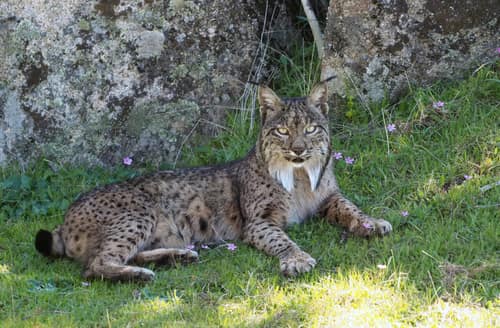
Close Relative (c) Frank Vassen, some rights reserved (CC BY) · cc-by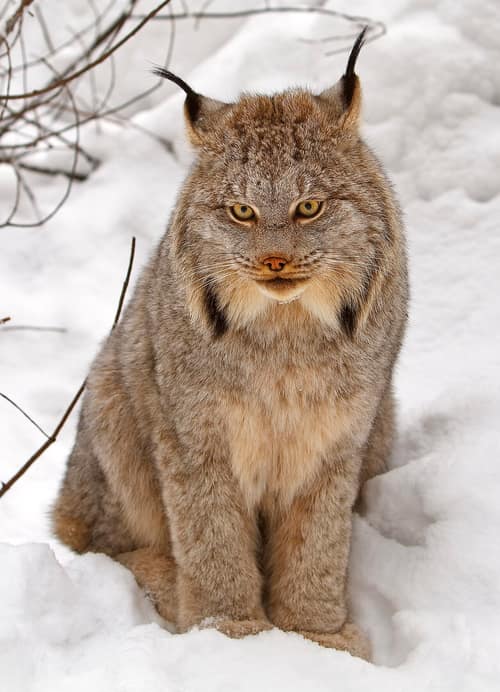
Close Relative Michael Zahra / CC BY-SA 3.0 · cc-by-sa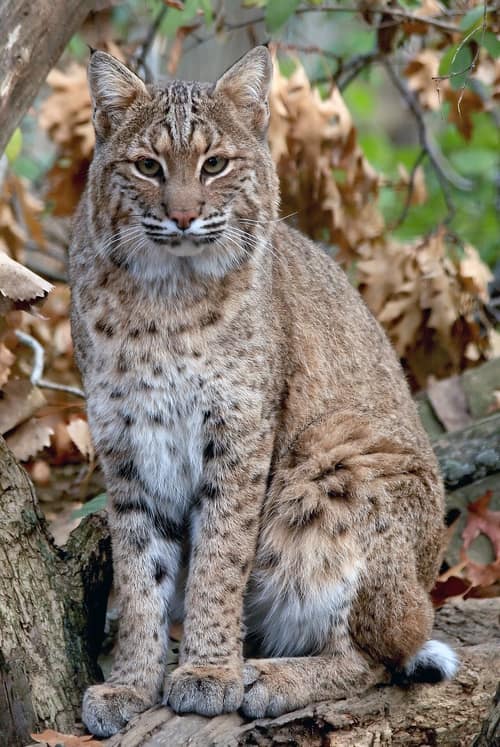
Close Relative Becker1999 (Paul and Cathy) / CC BY 2.0 · cc-by
Keep collecting in Fauna
Found in Collections
Ecosystem chain Pro
Alpine Heights
Eurasian Lynx is found in this collection. Identify it in Fauna to fill this slot and continue your progress.
Unlock to track progress
Help improve the field guideSomething wrong?
Checking your Fauna account…Report a name, category, or profile issue for review.