
Mammal · GBIF taxon 2435238
Snow Leopard
Uncia unciaAlso known as Ounce
Snow leopards rule the steep, windswept crags of High Asia, relying on dense smoky-gray fur and an extraordinarily thick tail for warmth and balance on precipitous cliffs. These elusive solitary hunters stalk wild sheep and ibex with remarkable stealth, capable of leaping up to 15 meters across treacherous rocky ravines. Padded paws act like natural snowshoes, allowing them to navigate deep winter drifts without sinking.
SolitaryAlpinePredator
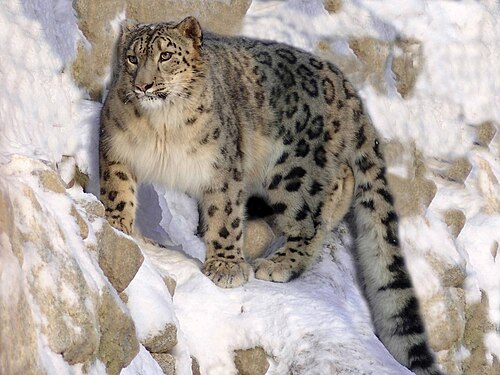
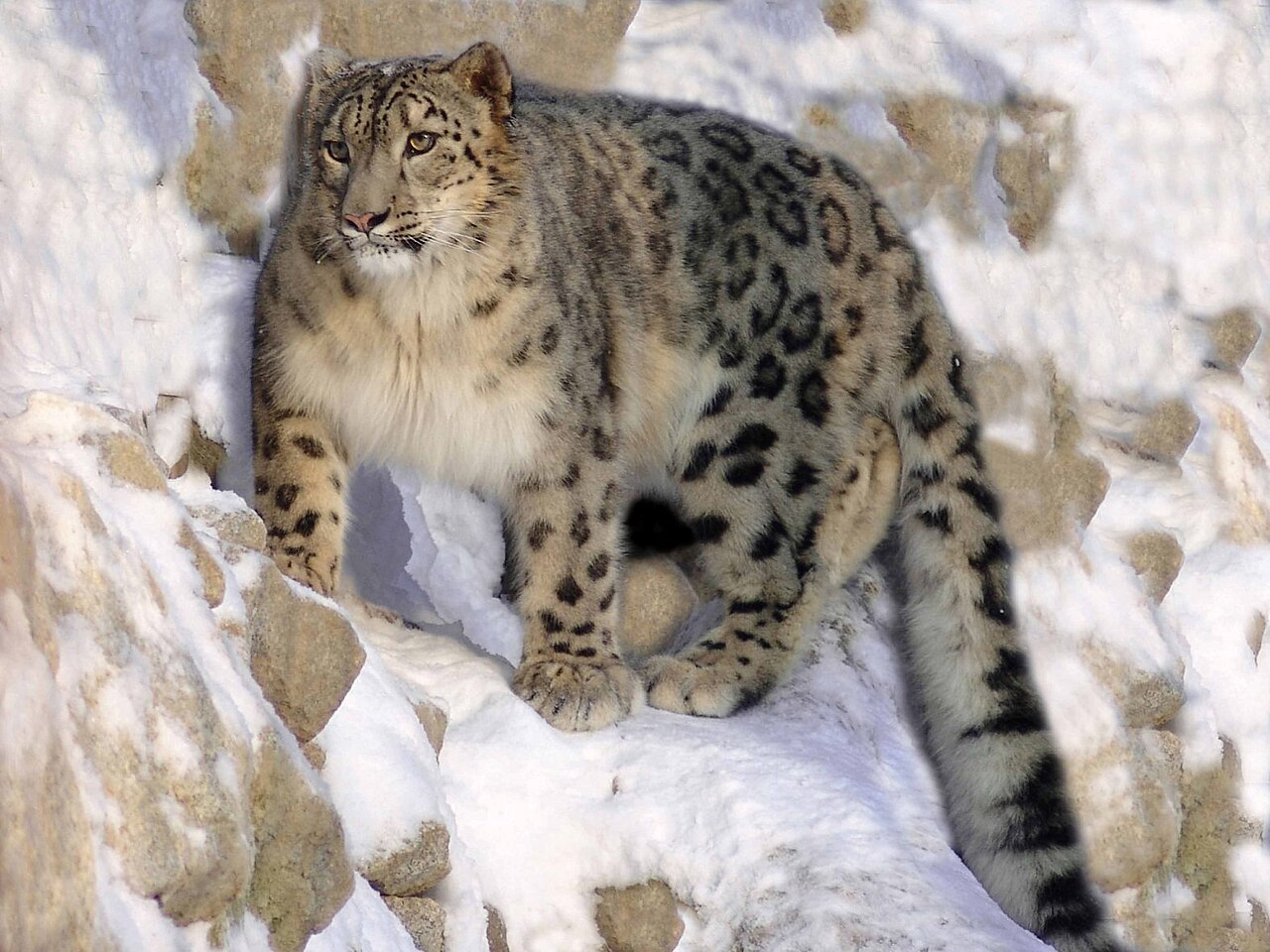
Licensed referenceIrbis1983 / Public domain · cc0
—observations
—countries
—peak records
VulnerableConservation statusIUCN Red List categoriesLCNTVUENCREWEXVulnerableRed List categories, explained →
Diet & prey
- Himalayan Blue Sheep
- Siberian Ibex
- Himalayan Marmot
Predators
- Humans
ThreatsPoaching, retaliatory killing by herders, habitat fragmentation, climate change
HabitatsAlpine and subalpine cliffs, rocky ravines, mountain ridges, high-altitude grasslands
Life span10–12 years in the wild (up to 25 years in captivity)
Size / weightNot available
Classification
- FamilyFelidae
- SpeciesUncia uncia
Range data is not available yet.
Interaction riskHigh
- Low
- Moderate
- High
- Very high
- Why interaction risk is high
- Powerful apex predator; maintain a respectful distance and never corner or approach.
- Why it is dangerous
- Equipped with powerful jaws and sharp claws capable of inflicting fatal injuries if threatened or defending cubs.
- How to recognize a risky encounter
- Look for a thick pale gray coat patterned with dark rosettes, exceptionally long bushy tail, and broad paws.
- What to do
- Keep a wide distance, stay calm without running if spotted, and back away slowly to clear terrain.
- What to notice
- Identified by pale fur with black rosettes, wide furry paws, and a thick tail used for balance in high cliffs.
- Support conservation
- Observe quietly using optics, never alter trek routes, and avoid disturbing maternal denning sites.
Responsible observation
- Binoculars required: Scan steep rock faces and ridgelines at dawn or dusk when cats are active.
- Trek responsibly: Stick to established mountain routes to avoid disturbing fragile alpine ecosystems and dens.
- Give space: Never approach a cat guarding a fresh kill or traveling with young cubs.
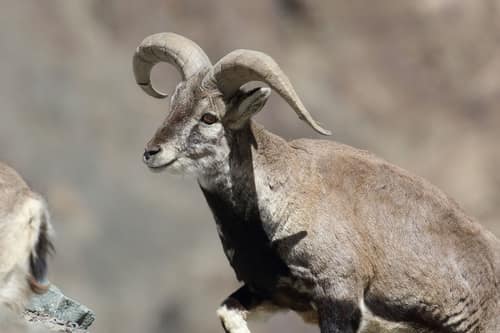
Primary Prey (c) Fabrice Stoger, some rights reserved (CC BY-SA) · cc-by-sa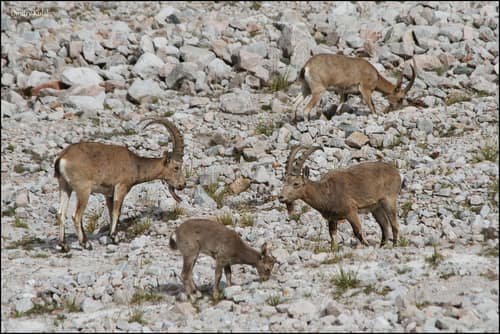
Primary Prey (c) Dmitry Kulakov, some rights reserved (CC BY), uploaded by Dmitry Kulakov · cc-by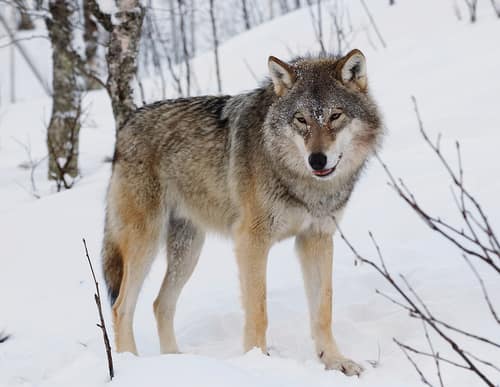
Competitor User:Mas3cf / CC BY-SA 4.0 · cc-by-sa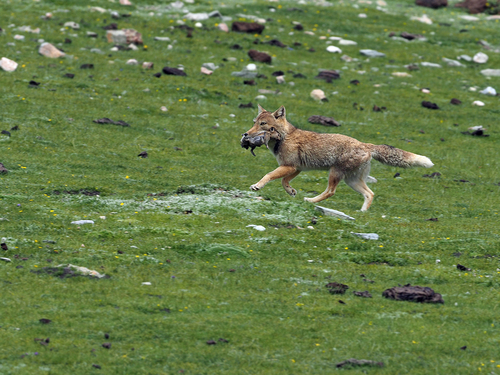
Co-occurring Predator no rights reserved · cc0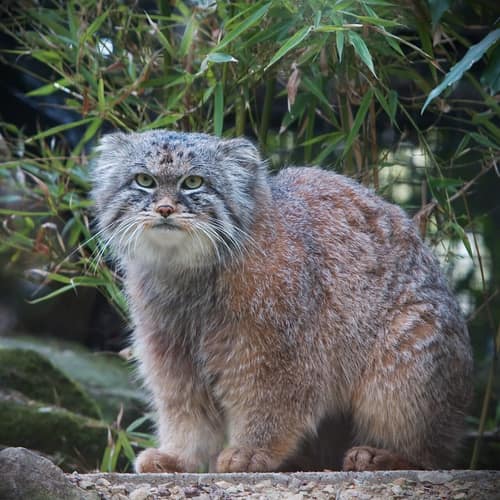
Feline Relative Sander van der Wel / CC BY-SA 2.0 · cc-by-sa
Help improve the field guideSomething wrong?
Checking your Fauna account…Report a name, category, or profile issue for review.