
Mammal · GBIF taxon 2435172
Serval
Leptailurus servalAlso known as African Serval, Tierboskat
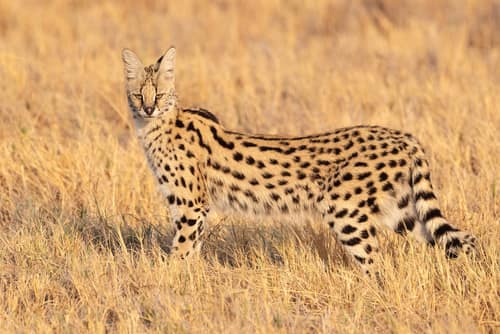
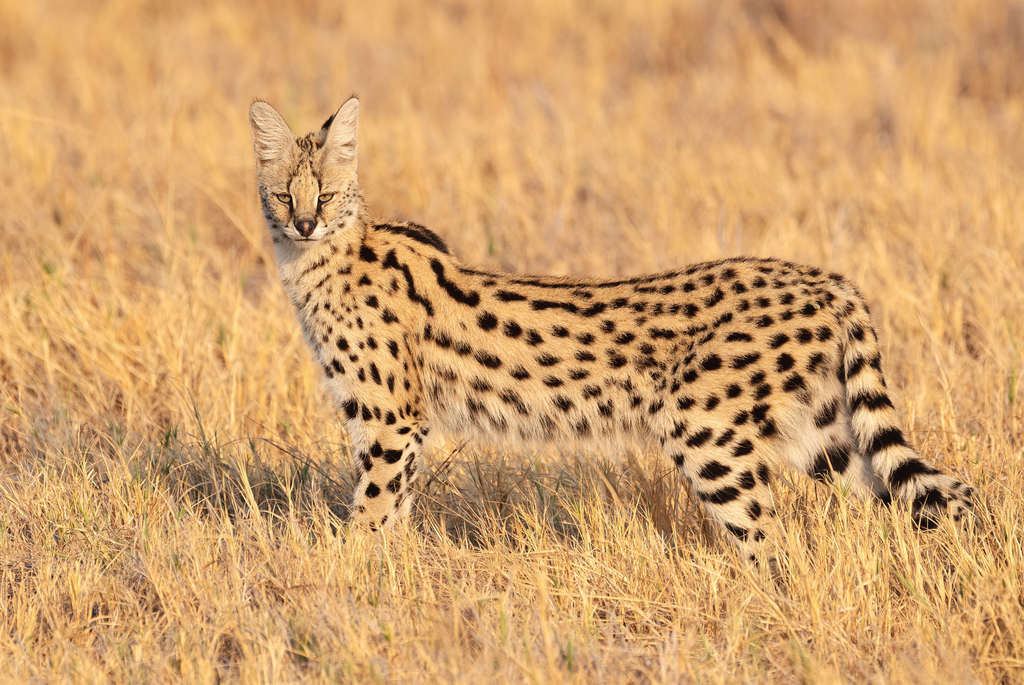
Servals possess the longest legs relative to body size of any cat, paired with oversized, radar-like ears capable of detecting rodents moving underground. These solitary hunters leap up to two meters into the air to pounce on prey in dense wetland vegetation, achieving an extraordinarily high hunting success rate. Active primarily at twilight and during cool nights, they depend heavily on well-watered savannas, grasslands, and reed beds for hunting cover.
CarnivoreCrepuscularGrassland Specialist
 1 / 7
1 / 7—observations
—countries
—peak records
Least ConcernConservation statusIUCN Red List categoriesLCNTVUENCREWEXLeast ConcernRed List categories, explained →
Diet & prey
- Voles and Mice
- Frogs
- Small Birds
Predators
- Leopard
- Spotted Hyena
- Nile Crocodile
ThreatsHabitat loss, wetland drainage, skin trade, retaliation by farmers
HabitatsGrasslands, wetlands, savannas, bamboo thickets, moorlands
Life span10–12 years in wild; up to 20 years in captivity
Size / weightNot available
Classification
- OrderCarnivora
- FamilyFelidae
- GenusLeptailurus
- SpeciesLeptailurus serval
Range data is not available yet.
Interaction riskLow
- Low
- Moderate
- High
- Very high
- Why interaction risk is low
- Defensive if cornered; observe from a safe distance and never approach.
Responsible observation
- Observation: Search near tall grass and reed beds near water sources during twilight hours.
- Identification: Look for very long legs, large oval ears, and a spotted tawny coat.
- Etiquette: Give hunting cats ample space so human presence does not flush their prey.
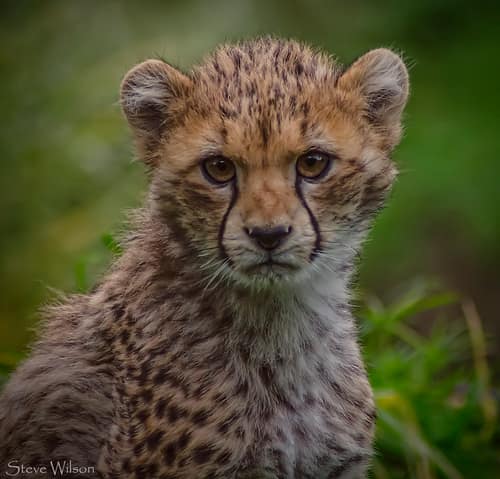
Sympatric Felid "Portrait of a Cheetah Cub" by Steve Wilson - over 10 million views Thanks !! is licensed under CC BY 2.0. To view a copy of this license, visit https://creativecommons.org/licenses/by/2.0/. · cc-by Image unavailable
Prey 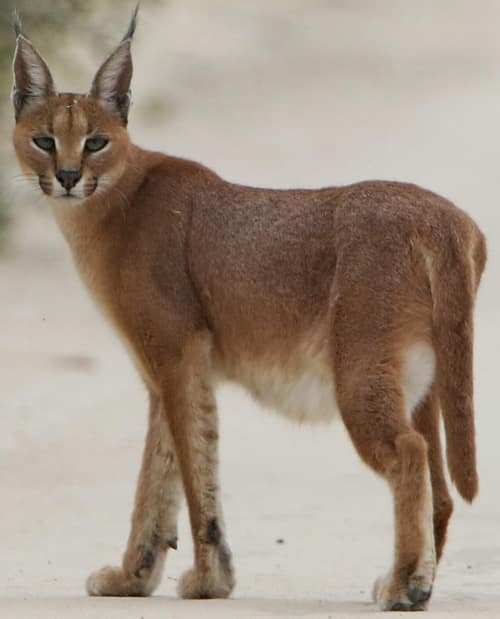
Close Relative Derek Keats / CC BY 2.0 · cc-by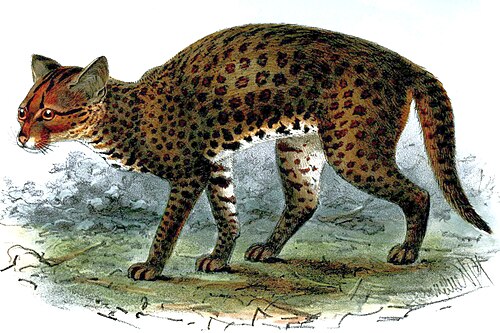
Close Relative John Gerrard Keulemans / Public domain · cc0
Help improve the field guideSomething wrong?
Checking your Fauna account…Report a name, category, or profile issue for review.