
Mammal
Jaguarundi
Puma yagouaroundiAlso known as Eyra Cat, Otter Cat, Gato Moro, Leoncillo
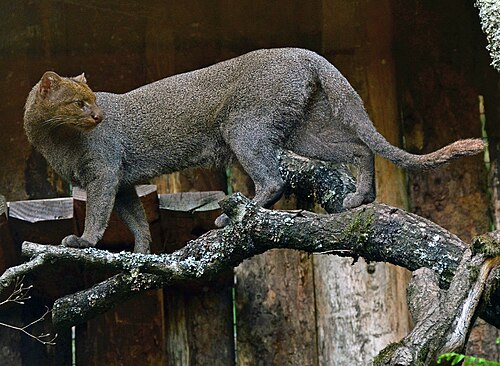
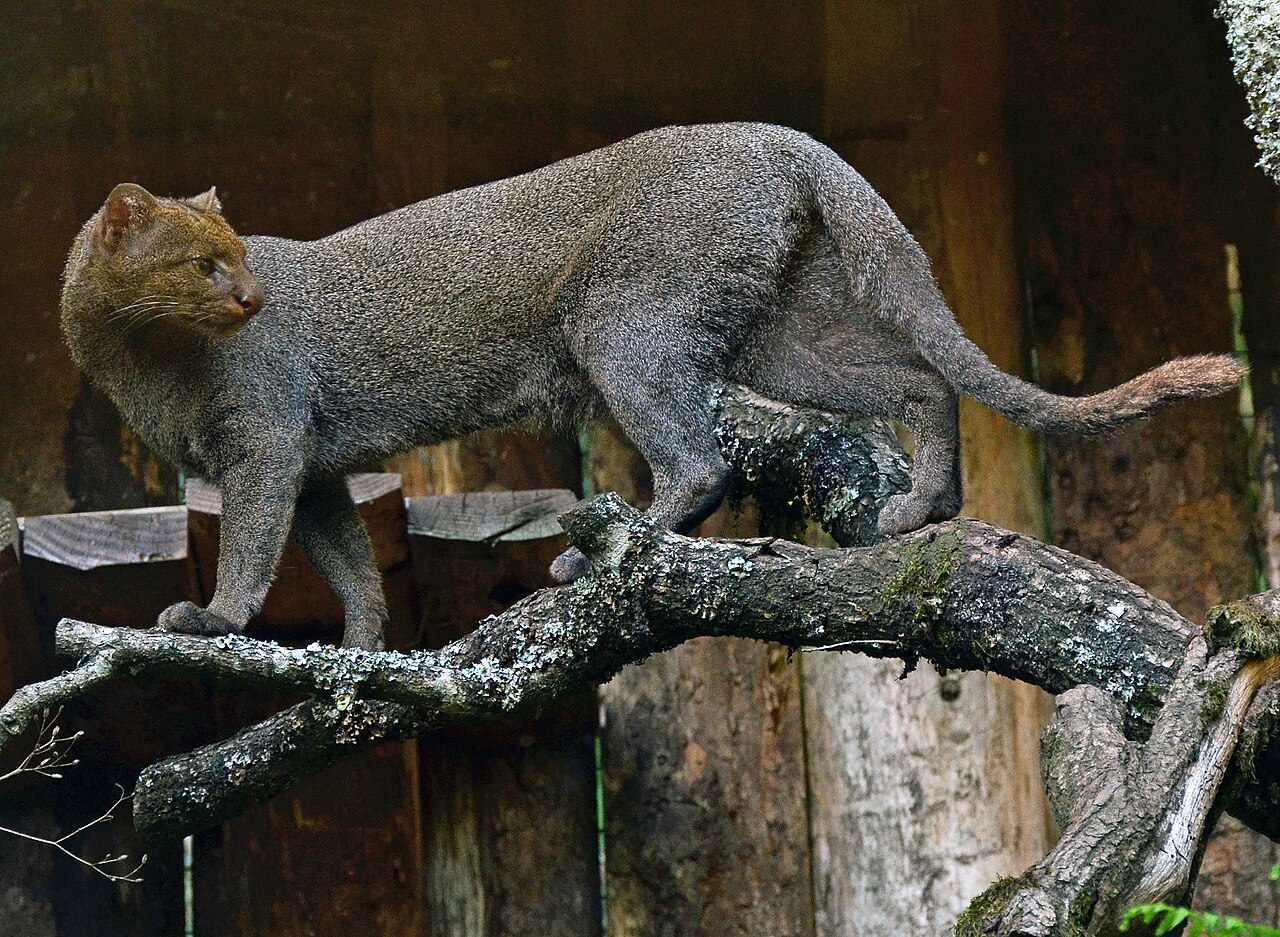
With an elongated torso, short limbs, and an unspotted coat, the jaguarundi looks remarkably like an overgrown otter or weasel moving through the brush. Unlike most neotropical cats, it hunts actively during the daytime, stalking ground birds, rodents, and reptiles across dense scrub and forest edges. It communicates through a surprisingly complex vocal repertoire of at least thirteen distinct calls, ranging from purrs and chitters to high-pitched, bird-like whistles.
DiurnalCarnivoreElusive
—observations
—countries
—peak records
Least ConcernConservation statusIUCN Red List categoriesLCNTVUENCREWEXLeast ConcernRed List categories, explained →
Diet & preyCotton rat, Ground-dove, Spiny lizard
Predators
- Jaguar
- Cougar
- Boa constrictor
ThreatsHabitat loss from agricultural clearing, brush removal, vehicle strikes, and retaliatory hunting for poultry
HabitatsDense thornscrub, gallery forests, swamp margins, savanna edges, and secondary growth
Life span10–15 years in the wild
Classification
- FamilyFelidae
- SpeciesPuma yagouaroundi
Range data is not available yet.
Interaction riskHigh
- Low
- Moderate
- High
- Very high
- Why interaction risk is high
- May bite or scratch fiercely if cornered; observe quietly from a safe distance.
- Why it is dangerous
- Equipped with strong jaws and sharp retractile claws that can inflict deep punctures and scratches if cornered.
- How to recognize a risky encounter
- Look for a solid gray or reddish-brown coat without spots, an elongated low-slung body, and a small, flattened head.
- What to do
- Never corner, corner, or reach toward a wild cat; back away slowly and let it retreat on its own.
Responsible observation
- Keep Distance: Step back and allow the cat an unobstructed escape route into brush.
- Scan Field Margins: Watch dense hedgerows and dirt roads in the early morning for crossing individuals.
- Secure Poultry: Use heavy wire enclosures to deter opportunists from visiting domestic coops.
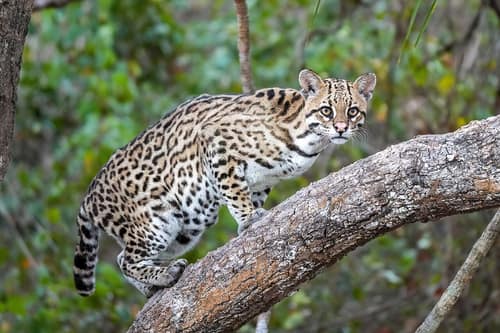
Competitor Giles Laurent / CC BY-SA 4.0 · cc-by-sa
Ecological Counterpart no rights reserved, uploaded by Brady Reed · cc0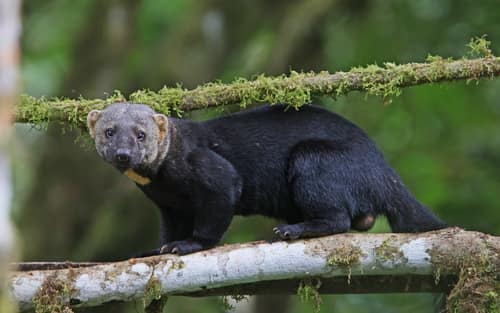
Visual Look-alike (c) Christoph Moning, some rights reserved (CC BY), uploaded by Christoph Moning · cc-by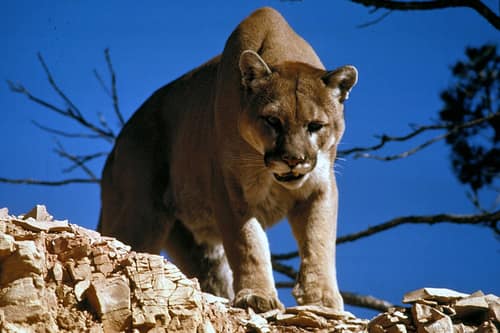
Close Relative National Park Service / Public domain · cc0
Help improve the field guideSomething wrong?
Checking your Fauna account…Report a name, category, or profile issue for review.