
Mammal · GBIF taxon 2435028
Sand Cat
Felis margaritaAlso known as Sand Dune Cat
Sand cats are solitary desert specialists that survive in hyper-arid environments without ever needing to drink free-standing water, obtaining all necessary moisture from their prey. Dense fur completely covers their footpads to insulate against burning sands while leaving virtually no footprints behind. Active primarily after dusk, they rest in underground burrows to escape extreme daytime heat and hunt small rodents, reptiles, and birds.
NocturnalDesertSolitary
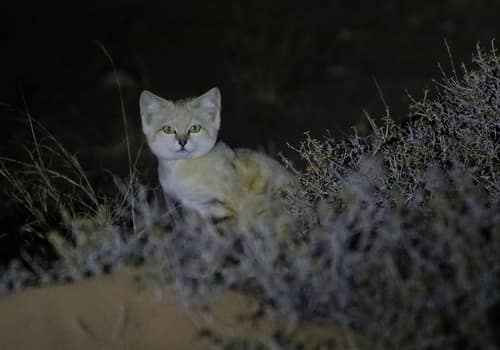
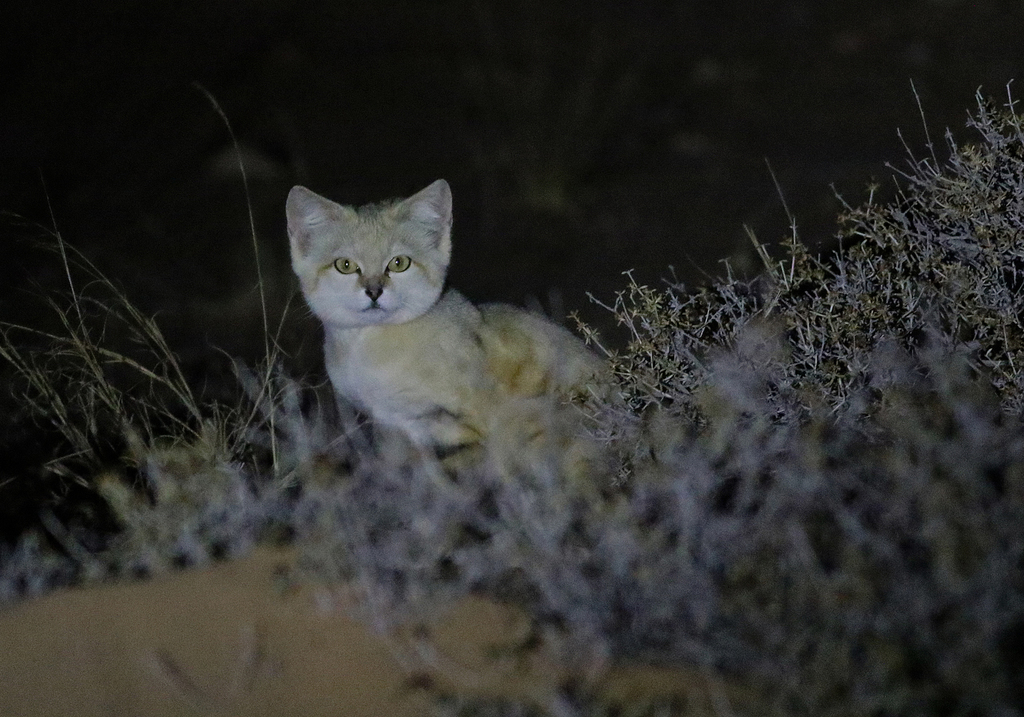 1 / 2
1 / 2—observations
—countries
—peak records
Least ConcernConservation statusIUCN Red List categoriesLCNTVUENCREWEXLeast ConcernRed List categories, explained →
Diet & prey
- Gerbils
- Spiny-tailed Lizards
- Vipers
Predators
- Golden Eagle
- Jackals
- Large Owls
ThreatsHabitat loss, direct persecution, pet trade collection, and disease transmission from feral domestic pets
HabitatsSandy and stony deserts, dry plains, and arid shrublands
Life span8–10 years in the wild; up to 13 years in captivity
Size / weightNot available
Classification
- OrderCarnivora
- FamilyFelidae
- GenusFelis
- SpeciesFelis margarita
Native
Interaction riskLow
- Low
- Moderate
- High
- Very high
- Why interaction risk is low
- Non-venomous wild cat; observe from a safe distance as cornered animals may bite or scratch defensively.
Responsible observation
- Observe from Distance: Maintain a respectful distance to avoid disturbing resting cats near burrow entrances.
- Spotlight with Care: Use dimmed red light filters during nocturnal wildlife viewing to protect sensitive eyes.
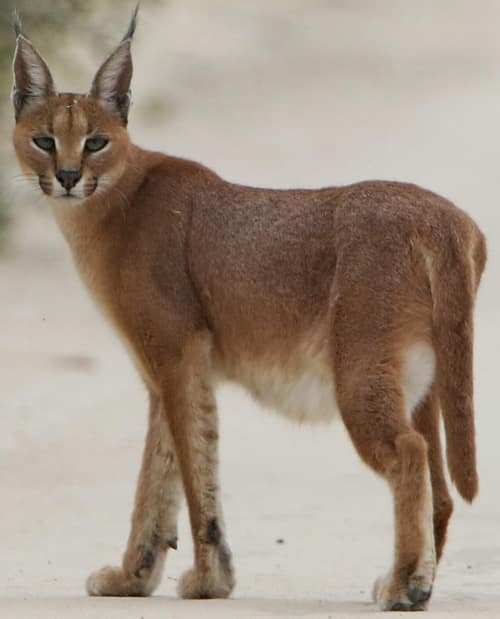
Competitor Derek Keats / CC BY 2.0 · cc-by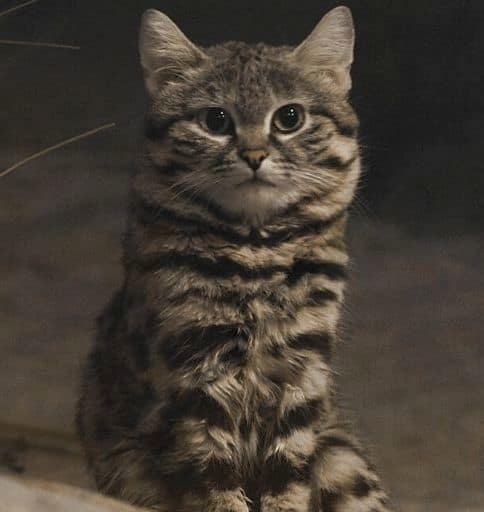
Close Relative no rights reserved, uploaded by Dave Brown · cc0
Help improve the field guideSomething wrong?
Checking your Fauna account…Report a name, category, or profile issue for review.