
Mammal · GBIF taxon 2435023
Pallas's Cat
Felis manulAlso known as Manul, Pallas Cat, Steppe Cat
Pallas's cats navigate the frigid, high-altitude steppes and rocky montane regions of Central Asia, relying on exceptionally dense fur and low-set ears to remain hidden while stalking prey. Solitary and elusive, they spend daytime hours resting in abandoned marmot burrows or rock crevices before hunting at dawn and dusk. Their stocky build and flattened facial profile allow them to peer over boulders without exposing their silhouette.
MammalElusiveSteppe
—observations
—countries
—peak records
Least ConcernConservation statusIUCN Red List categoriesLCNTVUENCREWEXLeast ConcernRed List categories, explained →
Diet & prey
- Plateau Pika
- Voles
- Ground Squirrels
Predators
- Steppe Eagle
- Wolf
- Large Owls
ThreatsHabitat degradation, prey reduction, and hunting for fur
HabitatsMontane grasslands, cold desert steppes, rocky outcrops
Life span8–12 years in the wild
Size / weightNot available
Classification
- FamilyFelidae
- SpeciesFelis manul
Range data is not available yet.
Interaction riskLow
- Low
- Moderate
- High
- Very high
- Why interaction risk is low
- Solitary wild cat; observe from a safe distance and never attempt to handle.
- What to notice
- Identified by low-set ears on a broad, flattened head, short legs, and dense, frosted-grey coat.
- Support conservation
- Maintain long viewing distances and avoid disturbing burrows or rocky dens.
Responsible observation
- Use optics: Observe from a long distance with binoculars or a spotting scope to avoid flushing them.
- Scan rocky scree: Look closely at rocky slopes where their dense grey fur provides perfect camouflage.
- Protect habitat: Stick to established tracks to avoid disturbing fragile steppe vegetation and burrows.
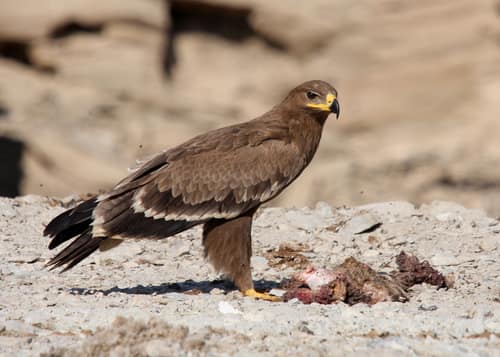
Predator (c) Christoph Moning, some rights reserved (CC BY), uploaded by Christoph Moning · cc-by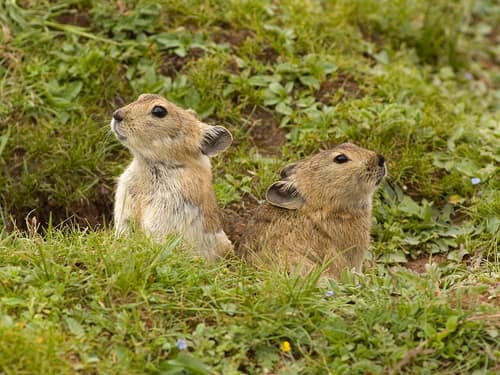
Primary Prey Kunsang / CC BY-SA 3.0 · cc-by-sa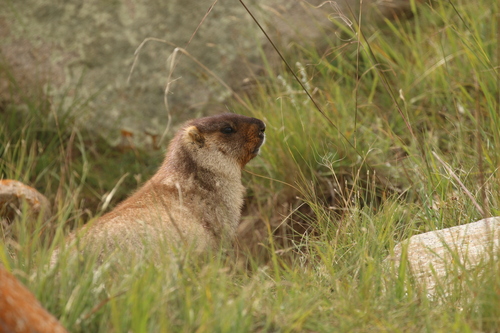
Burrow Provider no rights reserved, uploaded by Philip Precey · cc0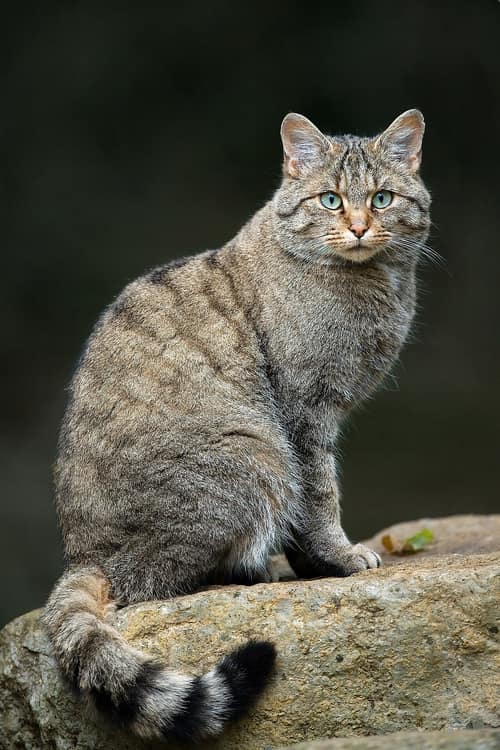
Close Relative Lviatour / CC BY-SA 3.0 · cc-by-sa
Help improve the field guideSomething wrong?
Checking your Fauna account…Report a name, category, or profile issue for review.