
Mammal · GBIF taxon 2434982
Ocelot
Leopardus pardalisAlso known as Dwarf Leopard
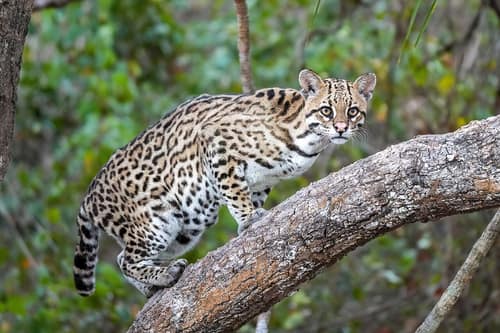
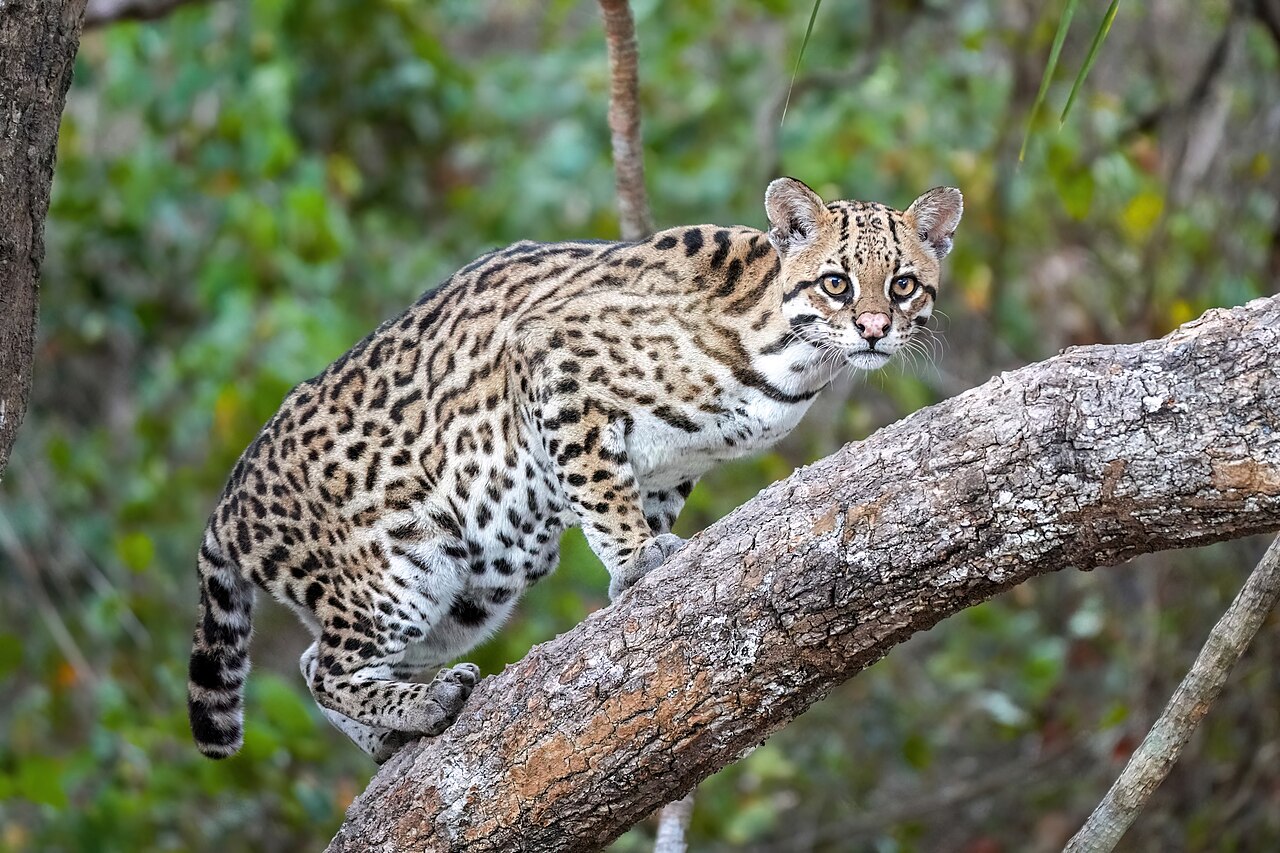
Ocelots are solitary, nocturnal wild cats renowned for their intricate coat of chain-like spots and dark stripes that provide exceptional camouflage in dense tropical brush. Highly agile swimmers and climbers, they patrol expansive home territories under cover of darkness to hunt small mammals, birds, and reptiles. Though historically threatened by the fur trade, habitat loss and vehicle collisions remain their primary modern survival challenges.
NocturnalCarnivoreSpotted
—observations
—countries
—peak records
Least ConcernConservation statusIUCN Red List categoriesLCNTVUENCREWEXLeast ConcernRed List categories, explained →
Diet & prey
- Spiny Pocket Mouse
- Virginia Opossum
- Green Iguana
Predators
- Jaguar
- Puma
- Harpy Eagle
ThreatsHabitat loss, fragmentation, vehicle strikes, historic fur trade
HabitatsTropical rainforests, thorn scrub, mangroves, dense brushlands
Life span10–13 years in the wild (up to 20 years in captivity)
Classification
- FamilyFelidae
- SpeciesLeopardus pardalis
Range data is not available yet.
Interaction riskLow
- Low
- Moderate
- High
- Very high
- Why interaction risk is low
- Wild cat capable of biting or scratching if cornered; keep a respectful distance.
- What to notice
- Look for chain-like dark spots, striped cheeks, and prominent white spots behind rounded ears.
- Support conservation
- Maintain a safe distance, avoid disturbing dense brush habitats, and report rare northern sightings to local authorities.
Responsible observation
- Observation timing: Search for signs or trail camera footage at dusk and dawn near dense thickets.
- Drive cautiously: Slow down on roads passing through protected habitat corridors at night.
- Preserve dense cover: Maintain native brush and thorn scrub vegetation on rural land.
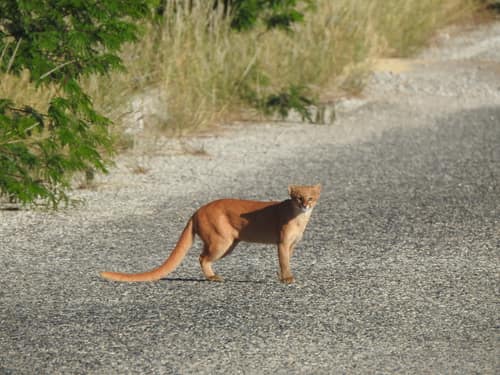
Competitor (c) Adeilson Melo, some rights reserved (CC BY), uploaded by Adeilson Melo · cc-by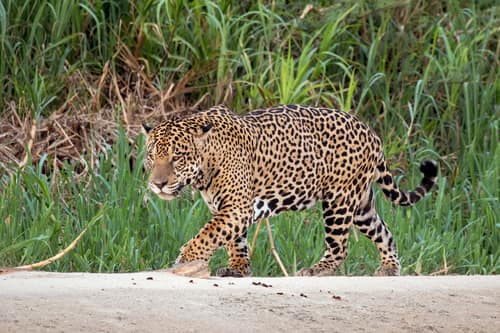
Predator (c) Charles J. Sharp , some rights reserved (CC BY-SA) · cc-by-sa
Close Relative no rights reserved, uploaded by Brady Reed · cc0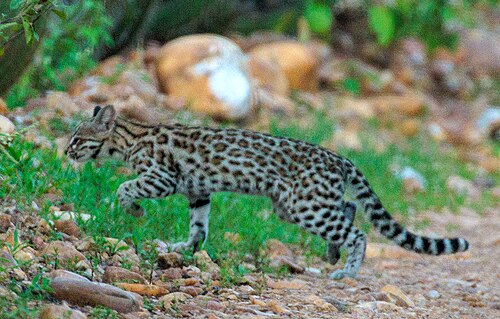
Close Relative (c) Thomaz de Carvalho Callado, some rights reserved (CC BY) / CC BY 4.0 · cc-by
Help improve the field guideSomething wrong?
Checking your Fauna account…Report a name, category, or profile issue for review.