
Mammal
Geoffroy's Cat
Leopardus geoffroyiAlso known as Gato Montés
Geoffroy's cats are agile, solitary felines known for their exceptional swimming ability and habit of standing upright on their hind legs to survey surrounding grasslands. They spend significant time hunting on the ground but readily climb trees to rest, cache prey, or escape threats. Melanistic individuals occur frequently across their range, particularly in dense wetland and forested habitats.
CarnivorousNocturnalSolitary
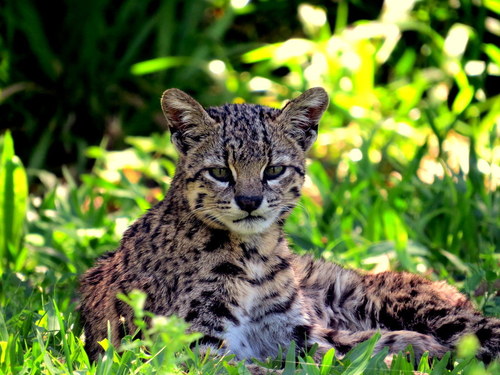
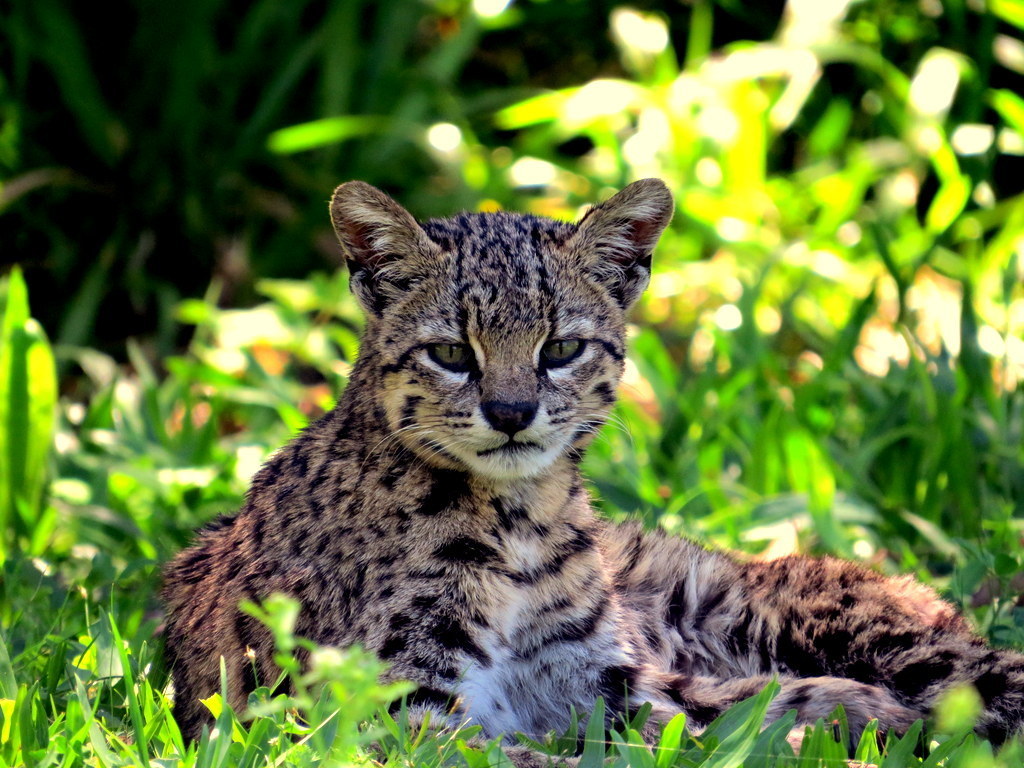
—observations
—countries
—peak records
Least ConcernConservation statusIUCN Red List categoriesLCNTVUENCREWEXLeast ConcernRed List categories, explained →
Diet & preyCavy, Field mouse, Tinamous
Predators
- Puma
- Culpeo
- Feral dog
ThreatsHabitat conversion to agriculture, retaliatory killing for poultry predation, and road mortality
HabitatsPampas grasslands, scrublands, savannas, dry forests, and wetlands
Life span10–14 years in the wild; up to 20 years in captivity
Classification
- FamilyFelidae
- SpeciesLeopardus geoffroyi
Range data is not available yet.
Interaction riskLow
- Low
- Moderate
- High
- Very high
- Why interaction risk is low
- Cornered individuals deliver fierce defensive bites and scratches; observe from a safe distance.
- Why it is dangerous
- Sharp claws and canine teeth can inflict deep puncture wounds and lacerations prone to severe infection if cornered or restrained.
- How to recognize a risky encounter
- Look for a domestic-sized cat with dense black spots on a silver-gray or ochre coat, rounded ears with white spots behind, and banded legs.
- What to do
- Never attempt to corner, handle, or rescue an injured individual without professional wildlife rehabilitation gear.
Responsible observation
- Night Spotting: Look for reflective eyeshine along rural roads and scrub borders after dusk.
- Give Space: Back away if an individual arches its back or hisses defensively.
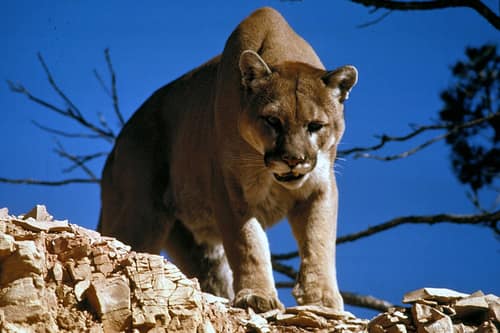
Predator National Park Service / Public domain · cc0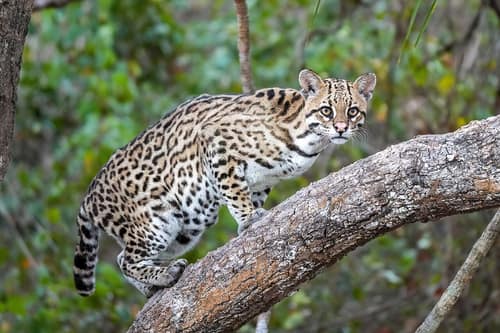
Close Relative Giles Laurent / CC BY-SA 4.0 · cc-by-sa
Close Relative no rights reserved, uploaded by Brady Reed · cc0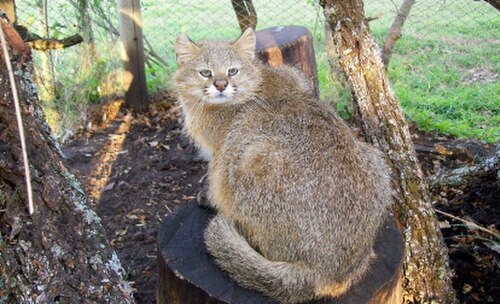
Close Relative ZooPro / CC BY-SA 3.0 · cc-by-sa
Help improve the field guideSomething wrong?
Checking your Fauna account…Report a name, category, or profile issue for review.