
Mammal · GBIF taxon 2434816
Bearded Seal
Erignathus barbatusAlso known as Square Flipper Seal
Bearded seals cruise shallow Arctic waters where they root along muddy sea bottoms using sensitive, densely packed whiskers to sweep for hidden invertebrates. Males produce haunting, descending underwater vocalizations termed trills that carry for miles through the icy water to advertise territory and court mates during the spring breeding season. Pups enter the freezing water mere hours after birth, relying on rich milk and dense blubber to survive on shifting drift ice.
ArcticMarine MammalBenthic Feeder
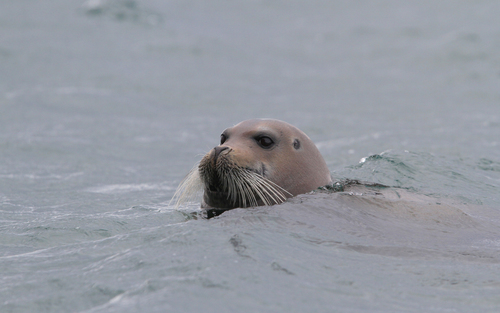
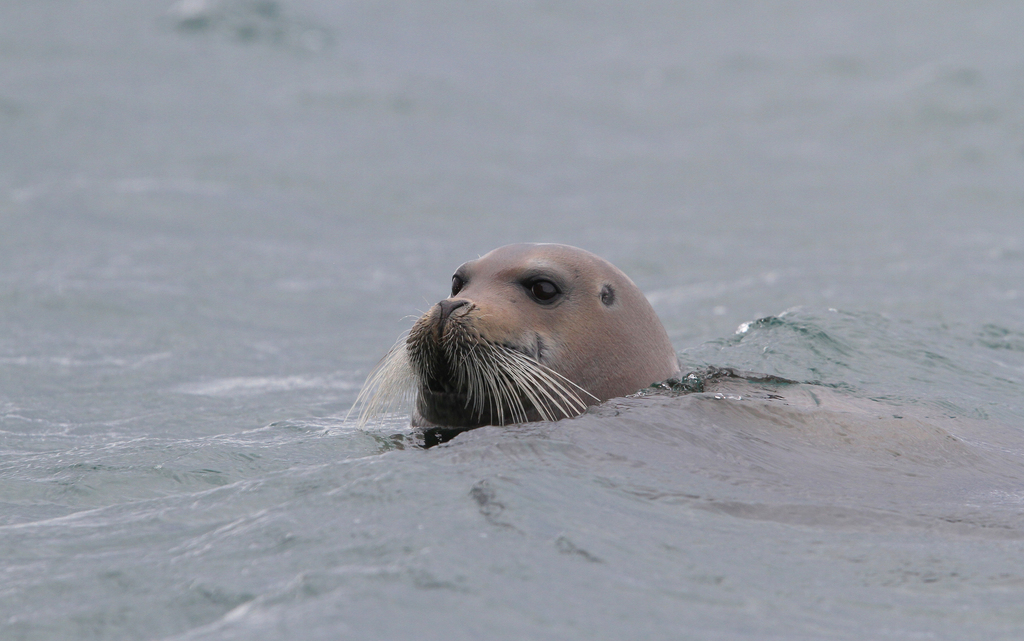 1 / 7
1 / 7—observations
—countries
—peak records
Near ThreatenedConservation statusIUCN Red List categoriesLCNTVUENCREWEXNear ThreatenedRed List categories, explained →
Diet & prey
- Clams
- Crabs
- Arctic Cod
Predators
- Polar Bear
- Orca
- Walrus
ThreatsSea ice decline from climate change, industrial shipping, and ocean noise
HabitatsShallow Arctic and subarctic shelf seas, drifting pack ice, and coastal floes
Life span20–25 years
Classification
- FamilyPhocidae
- SpeciesErignathus barbatus
Range data is not available yet.
Interaction riskHigh
- Low
- Moderate
- High
- Very high
- Why interaction risk is high
- Large marine mammal capable of biting defensively; maintain a generous distance on ice or boat.
- Why it is dangerous
- Massive body weight and strong jaws equipped with sharp teeth can inflict crushing bites and puncture wounds if cornered.
- How to recognize a risky encounter
- Look for a robust greyish-brown body, a rounded head, squarish front flippers, and a thick beard of curved, pale mystacial vibrissae.
- What to do
- Never approach a hauled-out seal on ice floes; allow it an open path to the water and retreat if it raises its head alertly.
- What to notice
- Recognized by its substantial size, solitary haul-out behavior on drifting ice, and lack of dark spots or rings along the coat.
- Support conservation
- Maintain silent observation from a watercraft and never cut between a mother and pup resting on ice.
Responsible observation
- Vessel Distance: Keep boats at least 100 meters away to avoid spooking resting seals off ice floes.
- Listen Underwater: Lower a hydrophone during spring to hear male melodic trills reverberate beneath the surface.
- Whiskers Check: Look for prominent, smoothly curling white whiskers around a blunt snout to distinguish from ringed seals.
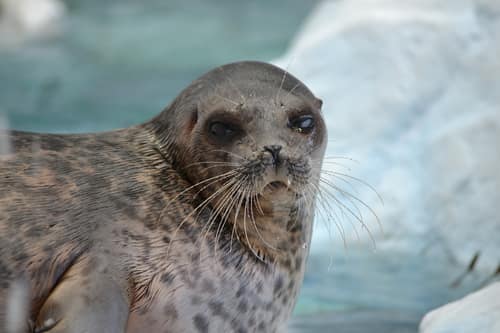
Ice Seal Neighbor (c) Kingfisher, some rights reserved (CC BY-SA) · cc-by-sa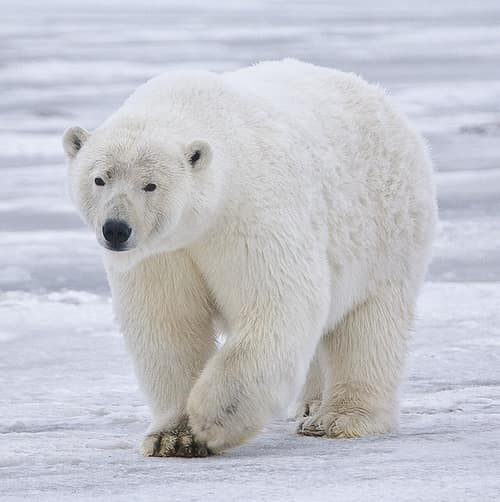
Predator Alan Wilson / CC BY-SA 3.0 · cc-by-sa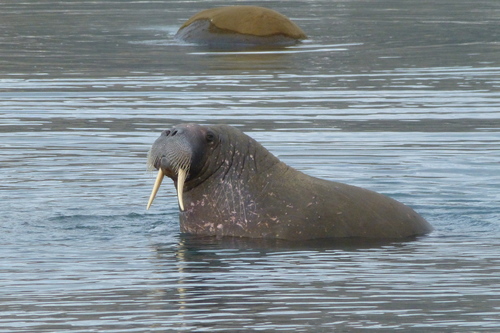
Benthic Competitor (c) Sheelagh Halsey, some rights reserved (CC BY), uploaded by Sheelagh Halsey · cc-by Image unavailable
Same Family 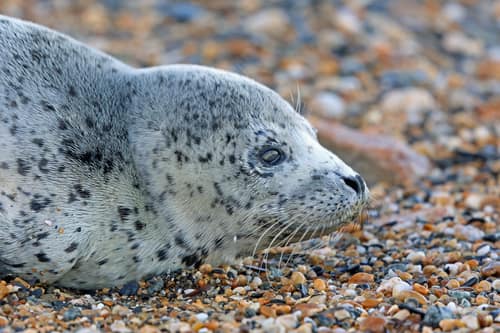
Same Family (c) Nigel Voaden, some rights reserved (CC BY) · cc-by
Help improve the field guideSomething wrong?
Checking your Fauna account…Report a name, category, or profile issue for review.