
Mammal · GBIF taxon 2434813
Northern Elephant Seal
Mirounga angustirostrisAlso known as Northern Sea Elephant
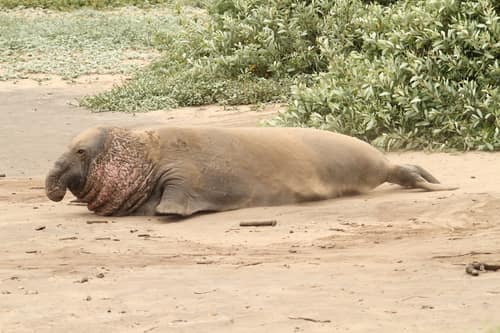
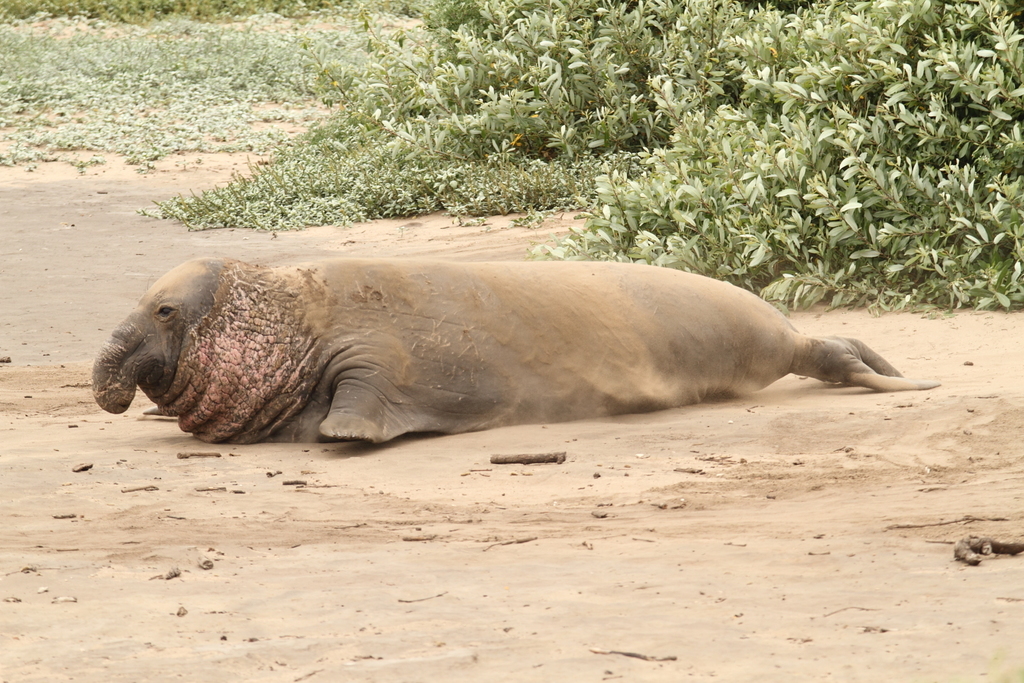
Northern elephant seals spend up to ten months a year deep in the Pacific Ocean, diving thousands of feet down to hunt fish and squid before returning to coastal beaches to breed and molt. Massive bulls command harems on sandy shores with resonant, rhythmic roars amplified by their inflatable proboscis. Having recovered from near extinction in the late nineteenth century, their breeding colonies now thrive along the western coast of North America.
Marine MammalDeep DiverCoastal
—observations
—countries
—peak records
Least ConcernConservation statusIUCN Red List categoriesLCNTVUENCREWEXLeast ConcernRed List categories, explained →
Diet & prey
- Squid
- Benthic Fish
- Skates
Predators
- Great White Shark
- Orca
ThreatsEntanglement in commercial fishing gear, marine debris, boat strikes, and climate change
HabitatsOpen ocean, rocky islets, and sandy Pacific beaches
Life span13–19 years
Size / weightNot available
Classification
- OrderCarnivora
- FamilyPhocidae
- GenusMirounga
- SpeciesMirounga angustirostris
Range data is not available yet.
Interaction riskHigh
- Low
- Moderate
- High
- Very high
- Why interaction risk is high
- Massive size and aggression during breeding make them hazardous; maintain a distance of at least 100 feet.
- Why it is dangerous
- Massive weight and intense territorial aggression during breeding can cause severe crushing injuries or deep puncture wounds.
- How to recognize a risky encounter
- Look for gigantic, greyish-brown bodies and males featuring a large, overhanging inflatable proboscis.
- What to do
- Never walk between a seal and the ocean, and always view rookeries from designated boardwalks or overlooks.
- What to notice
- Large colonies assemble on sandy beaches along California and Baja California primarily from December through April.
- Support conservation
- Keep noise levels low, stay on established paths, and avoid any movement that causes a herd to panic into the surf.
Responsible observation
- Keep Distance: Maintain at least 100 feet (30 meters) of space from resting or breeding animals.
- Watch for Signals: Back away immediately if a seal raises its head, vocalizes, or moves toward you.
- Leash Dogs: Keep pets far away to prevent severe injuries to pets or stress to seals.
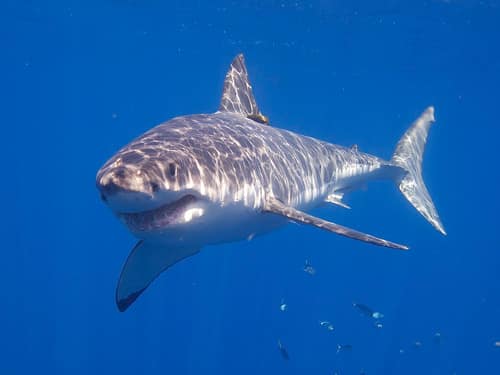
Predator "Great White Shark" by Elias Levy is licensed under CC BY 2.0. To view a copy of this license, visit https://creativecommons.org/licenses/by/2.0/. · cc-by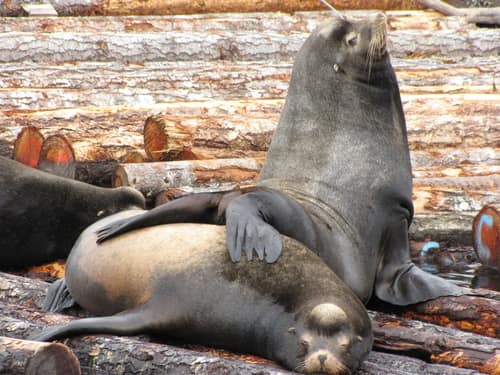
Competitor (c) Liam Steele, some rights reserved (CC BY), uploaded by Liam Steele · cc-by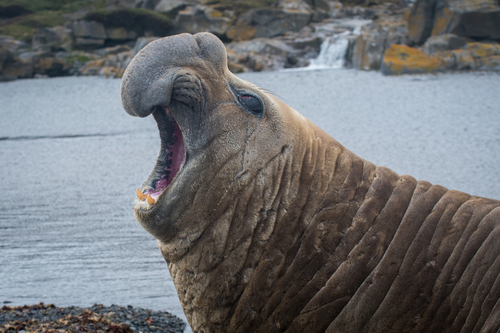
Close Relative (c) Antoine Lamielle, some rights reserved (CC BY-SA) · cc-by-sa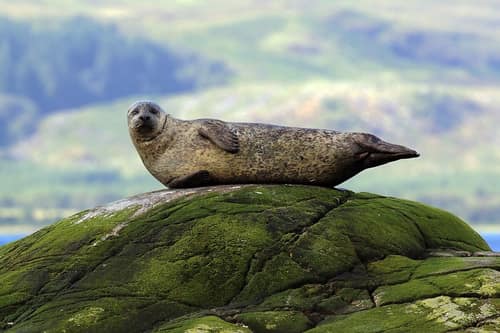
Family Member Charles J. Sharp / CC BY-SA 4.0 · cc-by-sa
Help improve the field guideSomething wrong?
Checking your Fauna account…Report a name, category, or profile issue for review.