
Mammal · GBIF taxon 2434708
Northern Palm Civet
Paradoxurus hermaphroditusAlso known as Asian Palm Civet, Common Palm Civet
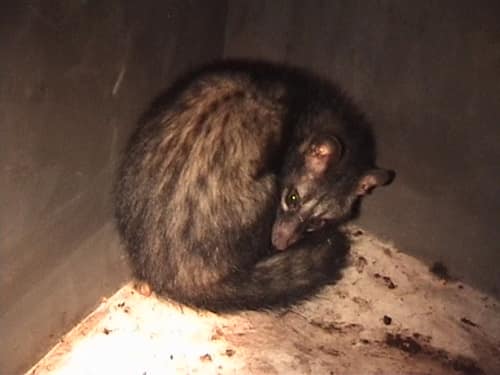
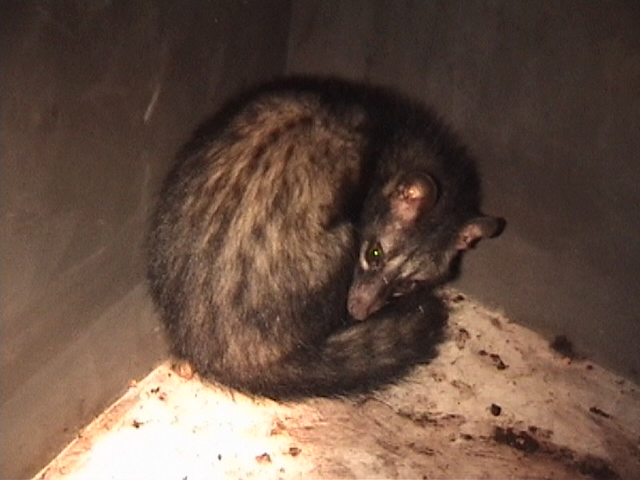
The Northern Palm Civet is a mostly nocturnal viverrid with a long body, pointed face, coarse gray-brown coat, and dark facial markings. An agile climber, it moves through forest and settled landscapes while dispersing seeds and taking varied small prey.
Nocturnal MammalTree ClimberSeed Disperser
 1 / 7
1 / 7—observations
—countries
—peak records
Least ConcernConservation statusIUCN Red List categoriesLCNTVUENCREWEXLeast ConcernRed List categories, explained →
Diet & prey
- Insects
- Small vertebrates
- Bird eggs
Predators
- Large pythons
- Leopards
- Large raptors
ThreatsWildlife trade, hunting, intensive captive coffee production, road mortality, and habitat loss
HabitatsTropical forest, woodland edge, plantations, gardens, farms, and vegetated urban areas
Life spanWild longevity is poorly documented; related civets can live more than a decade
Size / weightNot available
Classification
- OrderCarnivora
- FamilyViverridae
- GenusParadoxurus
- SpeciesParadoxurus hermaphroditus
Native
Interaction riskLow
- Low
- Moderate
- High
- Very high
- Why interaction risk is low
- A cornered civet can bite or scratch; never feed, trap, or approach one closely.
- Why it is dangerous
- A frightened, trapped, or habituated civet may defend itself with sharp teeth and claws.
- How to recognize a risky encounter
- Look for a long-bodied catlike mammal with a pointed muzzle, dark facial mask, and lengthy tail.
- What to do
- Do not touch, corner, trap, or feed it; contact trained wildlife responders for an injured animal.
Responsible observation
- Distance: Observe quietly from several meters away without spotlighting its eyes continuously.
- Food: Secure refuse and never encourage visits with handouts.
- Escape: Leave clear access to trees or cover.
Help improve the field guideSomething wrong?
Checking your Fauna account…Report a name, category, or profile issue for review.