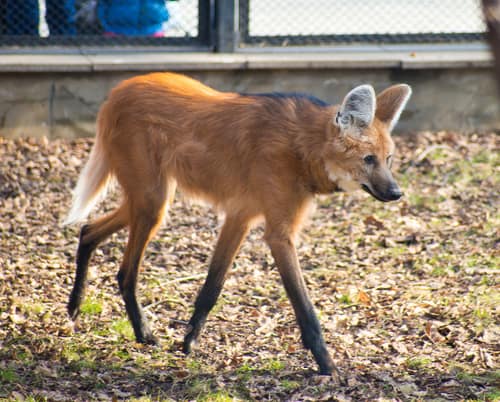
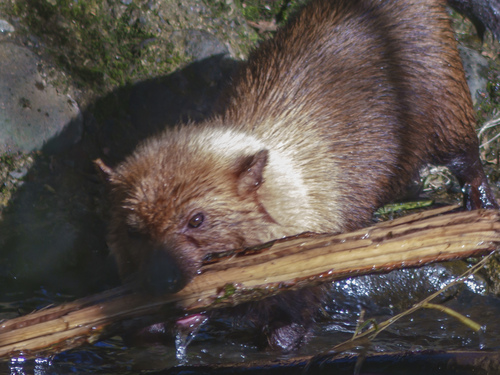
Also known as Forest Dog, Wood Fox, Bushfox, Maikong
Crab-eating foxes typically form monogamous pairs that patrol home territories together, hunting side by side during twilight and through the night. During the rainy season, they scour seasonally flooded savannas and muddy shorelines to excavate freshwater crabs, supplementing their catch with fallen wild figs, berries, and large insects. Vocal communication is remarkably subtle, featuring soft whines, chirps, and warning barks that allow paired mates to coordinate movements through dense scrub.
ThreatsVehicular collisions, feral dog diseases, and local hunting pressures
HabitatsWoodlands, savannas, marshes, gallery forests, and agricultural edges
Life span7–11 years in the wild
Classification
FamilyCanidae
SpeciesCerdocyon thous
Range & activity
Range data is not available yet.
Safe observation
Interaction riskModerate
Low
Moderate
High
Very high
Why interaction risk is moderate
Can carry rabies and bite defensively if cornered; observe from a safe distance.
Why it is dangerous
Carries infectious pathogens including rabies virus and canine distemper, which can be transmitted through bites or contact with saliva.
How to recognize a risky encounter
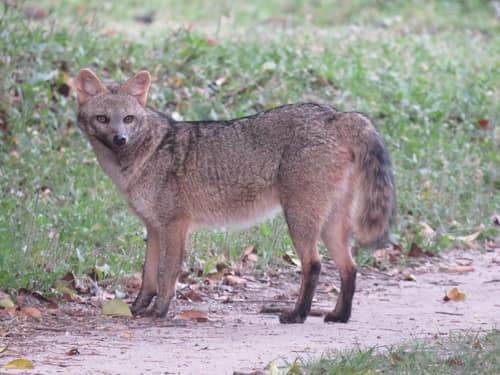
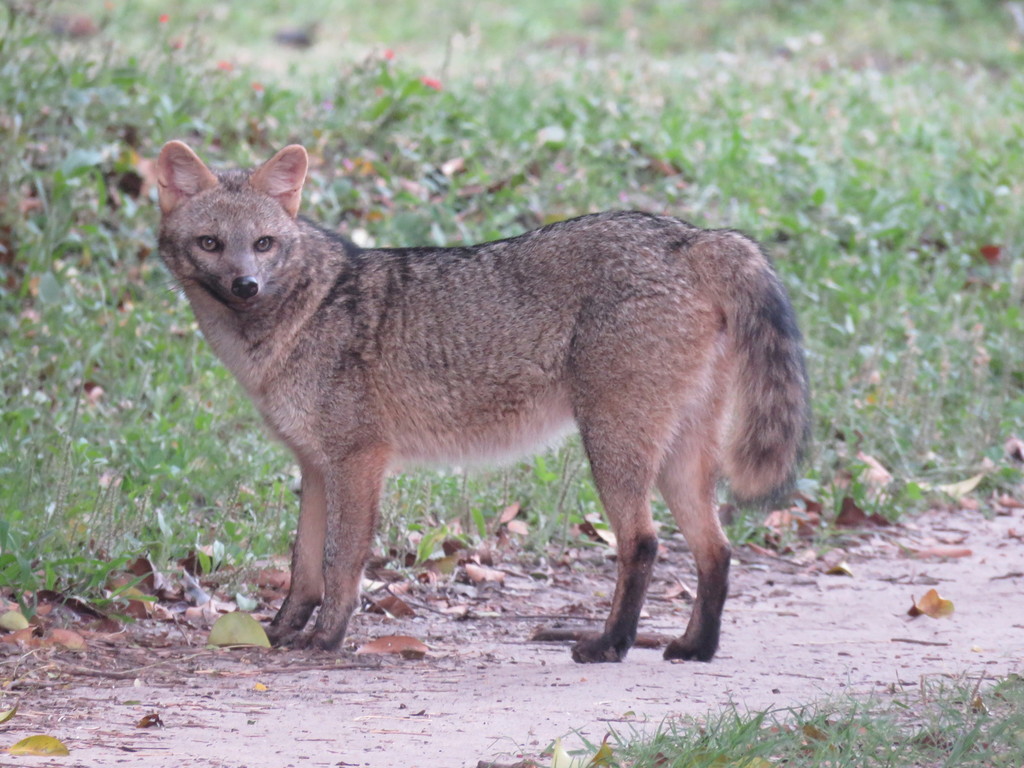
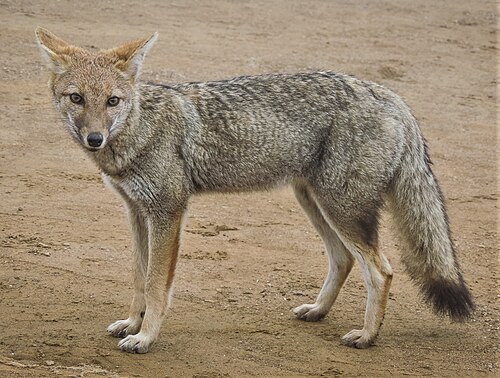
Look for a stocky, grizzled grey-brown canid with short legs, dark ear tips, and a thick tail ending in a black brush.
What to do
Maintain a distance of at least fifteen meters, never corner an individual, and seek immediate medical evaluation if bitten or scratched.
Responsible observation
Spotlighting Etiquette: Use a red-filtered spotlight along woodland edges at dusk to watch foraging pairs without startling them.
Road Caution: Slow down on unpaved rural roads across South America at night, as these foragers frequently cross roads in search of carrion and insects.
Food Storage: Secure campsite food bins to prevent opportunistic scavenging and habituation.