
Mammal · GBIF taxon 2434333
Pampas Fox
Lycalopex gymnocercusAlso known as Grey Pampean Fox, Pampas Zorro, Azara's Fox, Azara's Zorro
Pampas foxes roam the open grasslands, dry chaco, and agricultural fields of southern South America, playing a crucial role as seed dispersers and rodent controllers. Highly adaptable omnivores, they forage alone at night for small mammals, insects, sugarcane, and fallen fruit, often caching surplus food under brush. When threatened, these bushy-tailed canids frequently feign death until danger passes, dropping completely motionless to the ground.
OmnivorousNocturnalGrassland
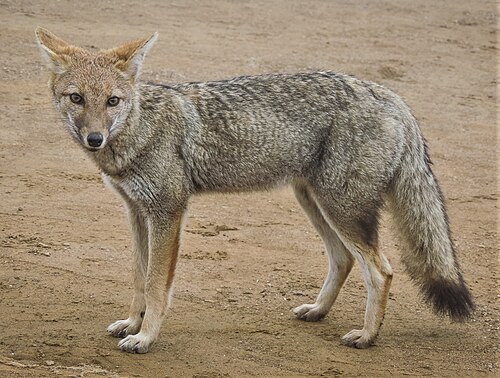
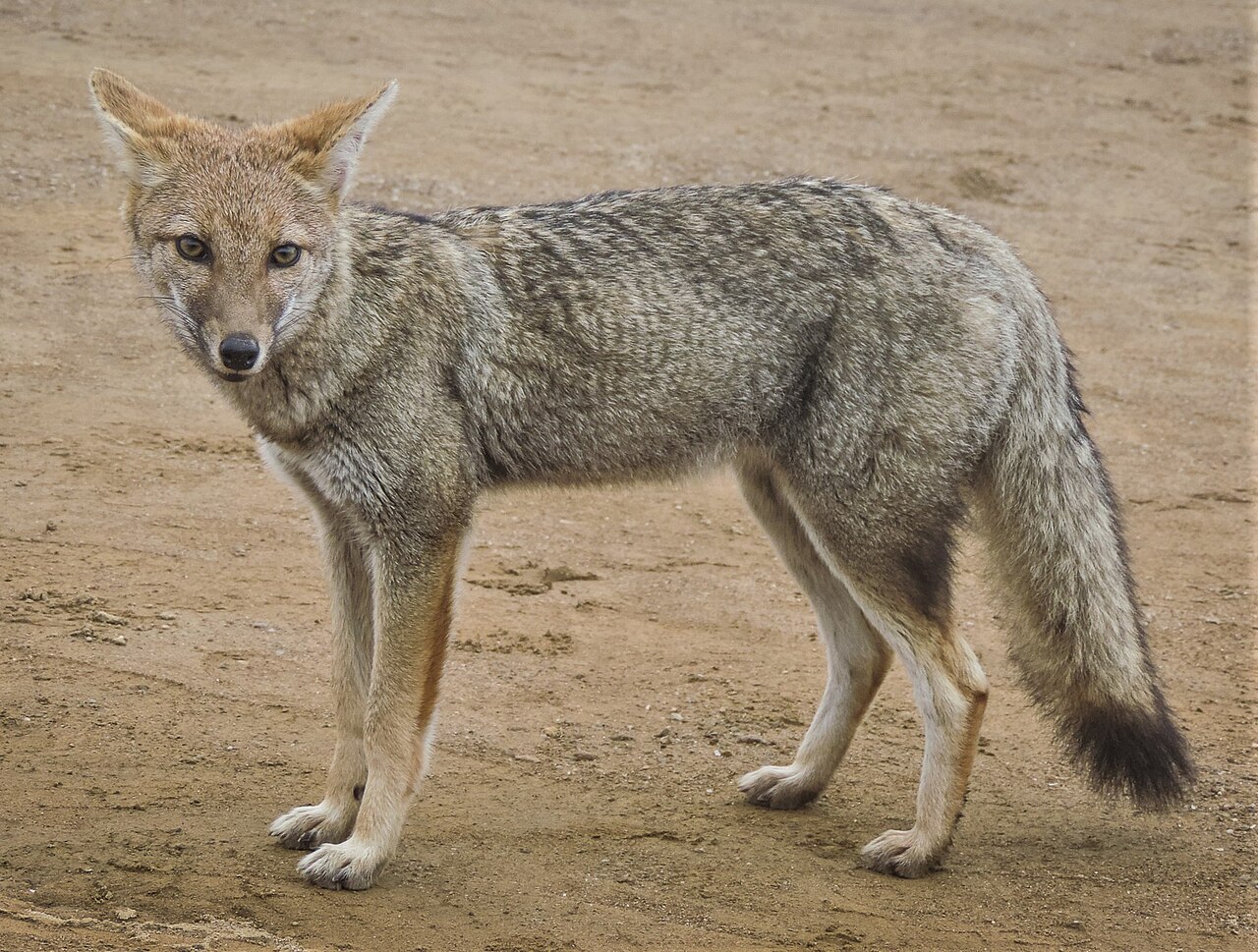
Licensed referenceAriel Mergener Henckel / CC BY-SA 3.0 · cc-by-sa
—observations
—countries
—peak records
Least ConcernConservation statusIUCN Red List categoriesLCNTVUENCREWEXLeast ConcernRed List categories, explained →
Diet & prey
- Small Rodents
- Ground Birds
- Insects and Fruits
Predators
- Puma
- Jaguar
- Domestic Dog
ThreatsHunting for fur, conflict with ranchers, domestic dog diseases
HabitatsGrasslands, pampas, scrublands, open woodlands, farmland
Life span7–13 years in the wild
Size / weightNot available
Classification
- FamilyCanidae
- SpeciesLycalopex gymnocercus
Range data is not available yet.
Interaction riskModerate
- Low
- Moderate
- High
- Very high
- Why interaction risk is moderate
- Will defend itself if cornered or handled; observe quietly from a safe distance.
Responsible observation
- Viewing Times: Scan open pastures and fence lines at twilight or night using a flashlight.
- Maintain Distance: Never approach or corner wild foxes, as they can bite defensively when trapped.
- Secure Storage: Keep food scraps and pet feed secured around campsites to prevent habituation.
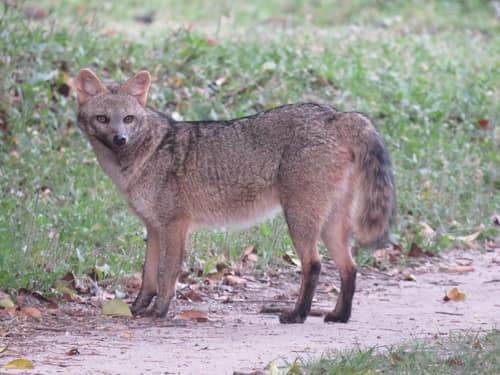
Sympatric Canid no rights reserved, uploaded by Diego Carús · cc0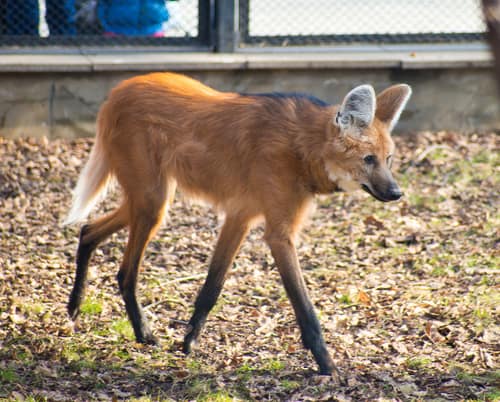
Habitat Neighbor (c) Rigelus, some rights reserved (CC BY-SA) · cc-by-sa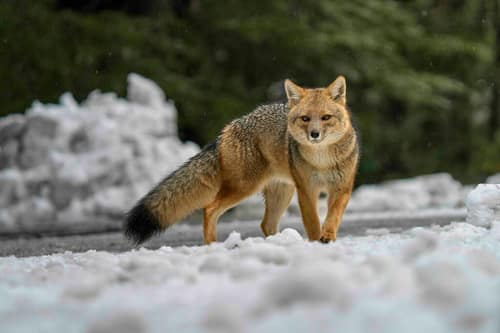
Close Relative (c) Luciano Massa, some rights reserved (CC BY), uploaded by Luciano Massa · cc-by
Help improve the field guideSomething wrong?
Checking your Fauna account…Report a name, category, or profile issue for review.