
Mammal
Sechuran Fox
Lycalopex sechuraeAlso known as Peruvian Desert Fox, Sechuran Zorro
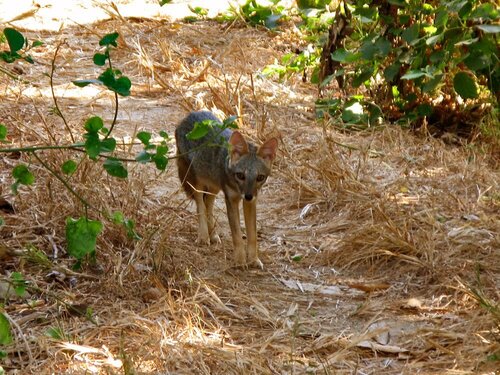
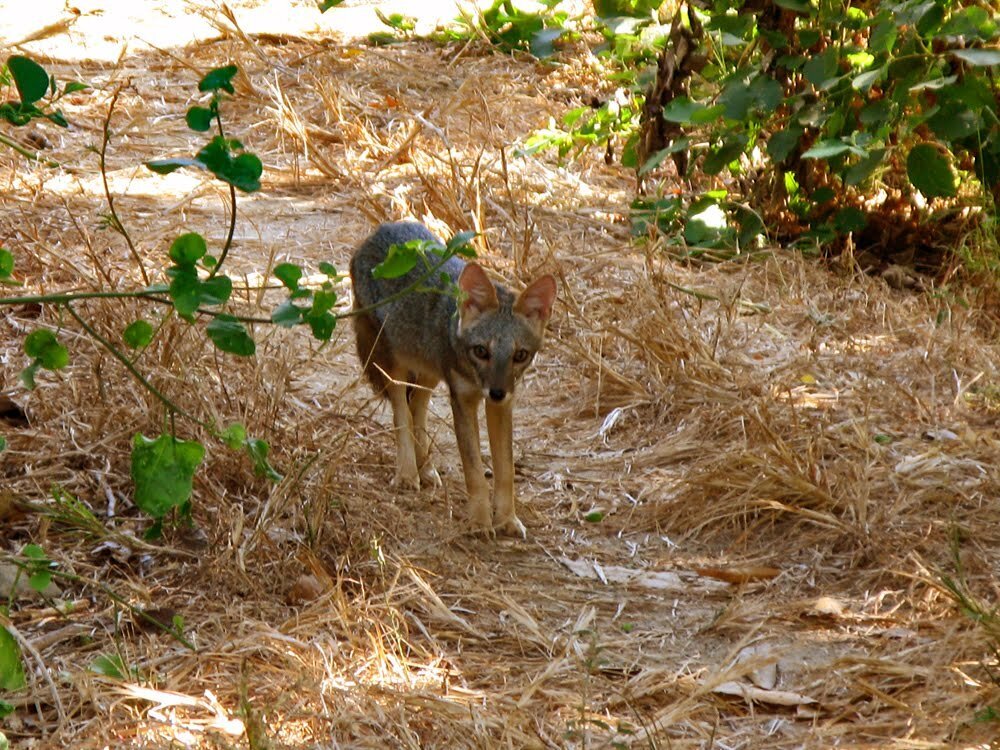
Sechuran foxes are small, adaptable canids uniquely specialized to survive the hyper-arid coastal plains and dry forests of western South America. Highly opportunistic foragers, they rely heavily on fallen seed pods of dry-forest trees alongside rodents, insects, and coastal carrion to meet both their nutritional and water needs. Mostly nocturnal and crepuscular, they shelter during the blistering desert heat in self-dug burrows, rock crevices, or abandoned mammal dens.
NocturnalDesert DwellerOmnivore
—observations
—countries
—peak records
Near ThreatenedConservation statusIUCN Red List categoriesLCNTVUENCREWEXNear ThreatenedRed List categories, explained →
Diet & preyAlgarrobo pod, Desert rodent, Tenebrionid beetle
Predators
- Puma
- Boa constrictor
- Feral dog
ThreatsHabitat loss from agriculture and urban sprawl, retaliatory trapping, vehicle collisions, and feral dog competition
HabitatsArid coastal desert dunes, dry scrublands, dry deciduous forests, and agricultural margins
Life span6–10 years
Classification
- OrderCarnivora
- FamilyCanidae
- GenusLycalopex
- SpeciesLycalopex sechurae
Range data is not available yet.
Interaction riskModerate
- Low
- Moderate
- High
- Very high
- Why interaction risk is moderate
- Can bite defensively if cornered and may carry rabies; observe quietly from a safe distance.
- Why it is dangerous
- When cornered or trapped, wild canids deliver sharp bites capable of transmitting pathogens including rabies and bacterial infections.
- How to recognize a risky encounter
- Recognized by its pale grayish-brown coat, rufous tint behind large upright ears, and black-tipped bushy tail.
- What to do
- Never corner, feed, or attempt to pet a fox; give it an open escape route and retreat slowly if approached.
- What to notice
- Look for a slender, petite canid foraging quietly under desert scrub or along dunes in northwestern Peru and southwestern Ecuador.
- Support conservation
- Avoid driving off-road in sensitive dune habitats to prevent collapsing den burrows, and keep domestic dogs leashed.
Responsible observation
- Twilight Tracking: Scan desert margins and sandy roads with a low-intensity light around dusk and dawn.
- Maintain Space: Keep a respectful perimeter of at least 20 meters to avoid flushing them from foraging routes.
- Secure Belongings: Do not leave food scraps or pet kibble unattended, which attracts them to human camps.
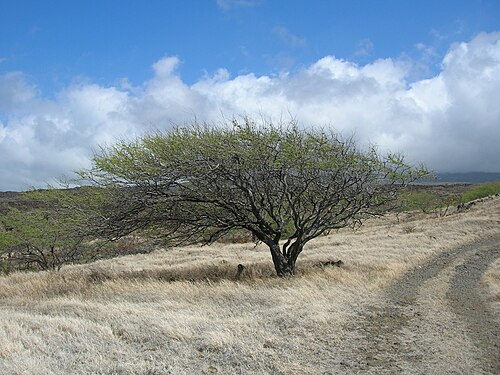
Food Source Forest & Kim Starr / CC BY 3.0 · cc-by
Predator National Park Service / Public domain · cc0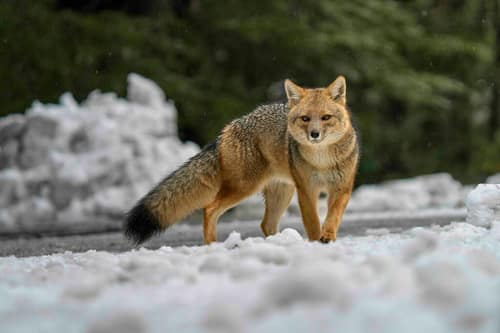
Close Relative (c) Luciano Massa, some rights reserved (CC BY), uploaded by Luciano Massa · cc-by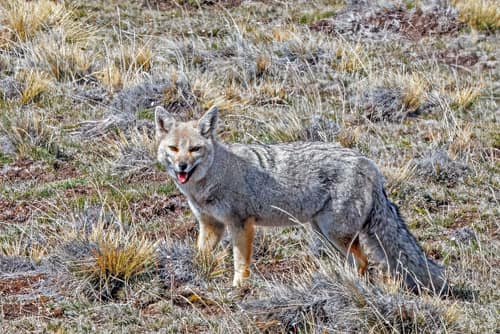
Close Relative Charles J. Sharp / CC BY-SA 4.0 · cc-by-sa
Help improve the field guideSomething wrong?
Checking your Fauna account…Report a name, category, or profile issue for review.