
Mammal · GBIF taxon 2434102
American Badger
Taxidea taxusAlso known as North American Badger, Silver Badger
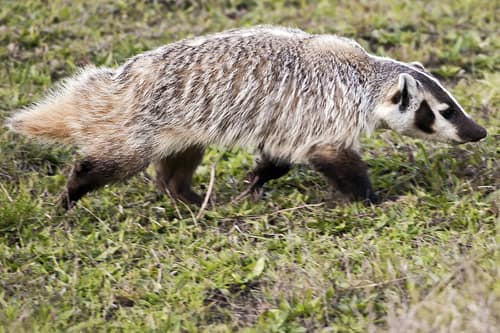
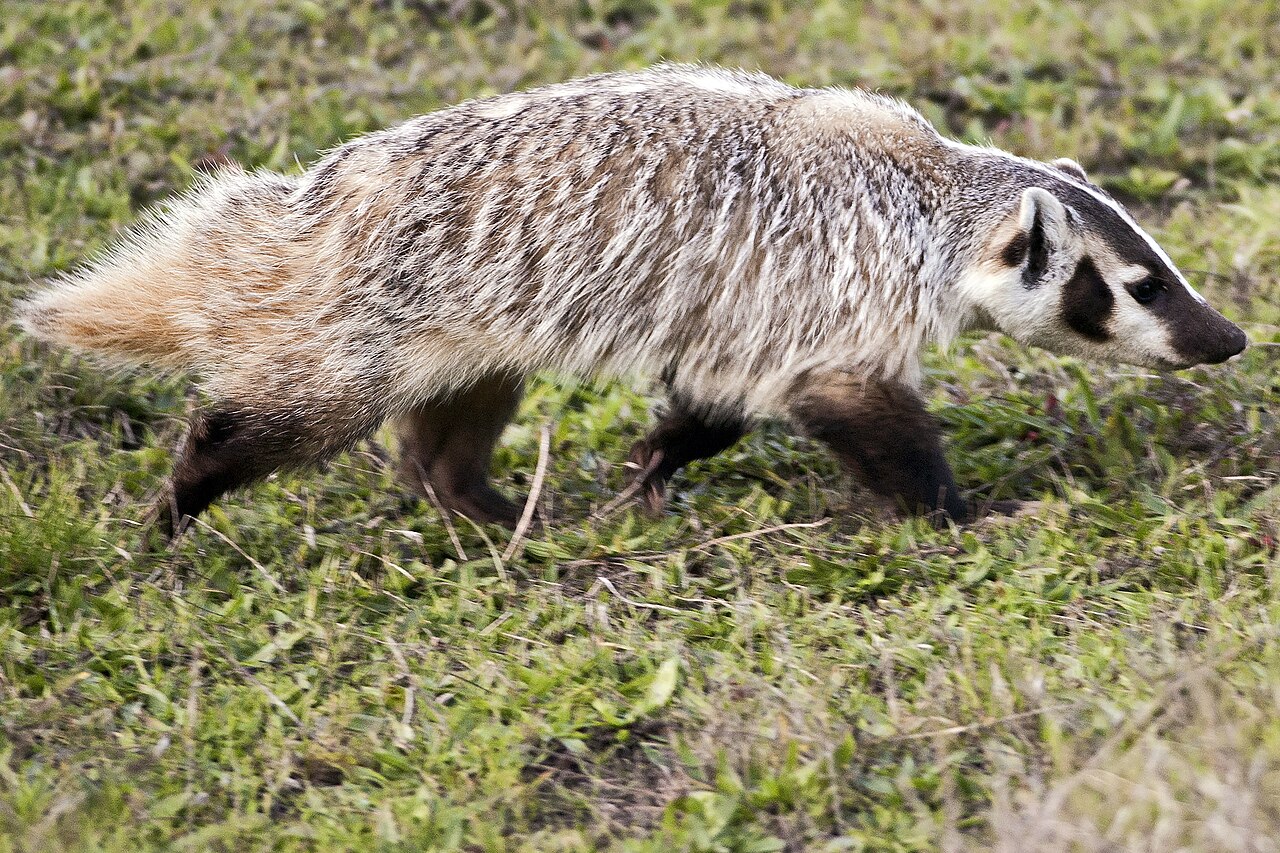
American badgers are master diggers that spend much of their lives underground, using massive front claws to excavate elaborate burrows and hunt subterranean prey. Recognized by their low-slung bodies, grizzled fur, and bold black-and-white facial markings, these solitary carnivores occasionally form cooperative hunting alliances with coyotes on open prairies. When threatened, they expand their fur, emit harsh growls, and fiercely defend their territory against intruders of any size.
FossorialCarnivoreSolitary
—observations
—countries
—peak records
Least ConcernConservation statusIUCN Red List categoriesLCNTVUENCREWEXLeast ConcernRed List categories, explained →
Diet & prey
- Ground Squirrels
- Pocket Gophers
- Prairie Dogs
Predators
- Coyotes
- Cougars
- Golden Eagles
ThreatsVehicle collisions, habitat fragmentation, agricultural persecution
HabitatsGrasslands, prairies, shrub-steppes, open pastures
Life span9–14 years in the wild
Size / weightNot available
Classification
- OrderCarnivora
- FamilyMustelidae
- GenusTaxidea
- SpeciesTaxidea taxus
Range data is not available yet.
Interaction riskLow
- Low
- Moderate
- High
- Very high
- Why interaction risk is low
- Capable of delivering severe bites and scratches if cornered; observe from a safe distance.
- Why it is dangerous
- Equipped with powerful jaw muscles and formidable two-inch claws capable of inflicting severe wounds when cornered.
- How to recognize a risky encounter
- Recognize its low-slung, wedge-shaped body, grizzled coat, and distinctive white stripe running down the head.
- What to do
- Give any active badger a wide berth, keep dogs leashed, and back away immediately if it growls or arches its back.
Responsible observation
- Burrow Awareness: Keep a safe distance from active underground burrows marked by large, elliptical entrances.
- Distance Observation: Use binoculars to watch foraging activity across grasslands without causing distress.
- Pet Safety: Keep dogs firmly leashed in native prairie habitats to avoid dangerous defensive encounters.
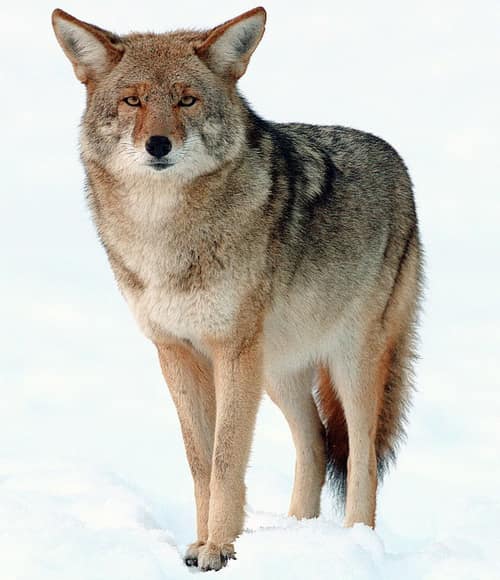
Hunting Partner Yathin S Krishnappa / CC BY-SA 3.0 · cc-by-sa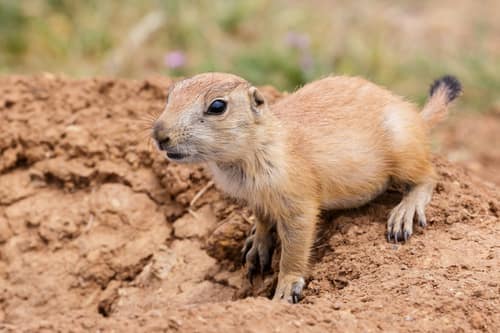
Prey (c) Meghan Cassidy, some rights reserved (CC BY-SA), uploaded by Meghan Cassidy · cc-by-sa
Distant Relative kallerna / CC BY-SA 3.0 · cc-by-sa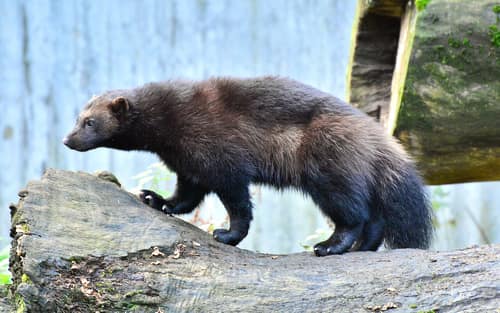
Close Relative Esquilo / CC BY-SA 3.0 · cc-by-sa
Help improve the field guideSomething wrong?
Checking your Fauna account…Report a name, category, or profile issue for review.