
Mammal
Greater Hog Badger
Arctonyx collarisAlso known as Hog Badger, Greater Hog-nosed Badger
Greater hog badgers are heavy-bodied, ground-dwelling mustelids equipped with powerful forelimbs and prominent pig-like snouts adapted for rooting. They spend daylight hours resting in complex subterranean burrows or natural rock crevices before emerging under cover of darkness to forage along the forest floor. Despite their stocky build, they are formidable defenders with loose, thick skin and muscular jaws that deter most medium-sized predators.
NocturnalBurrowingForest Dweller
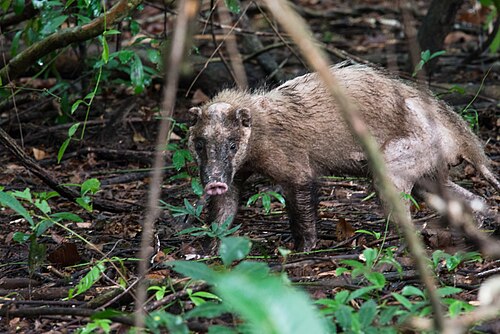
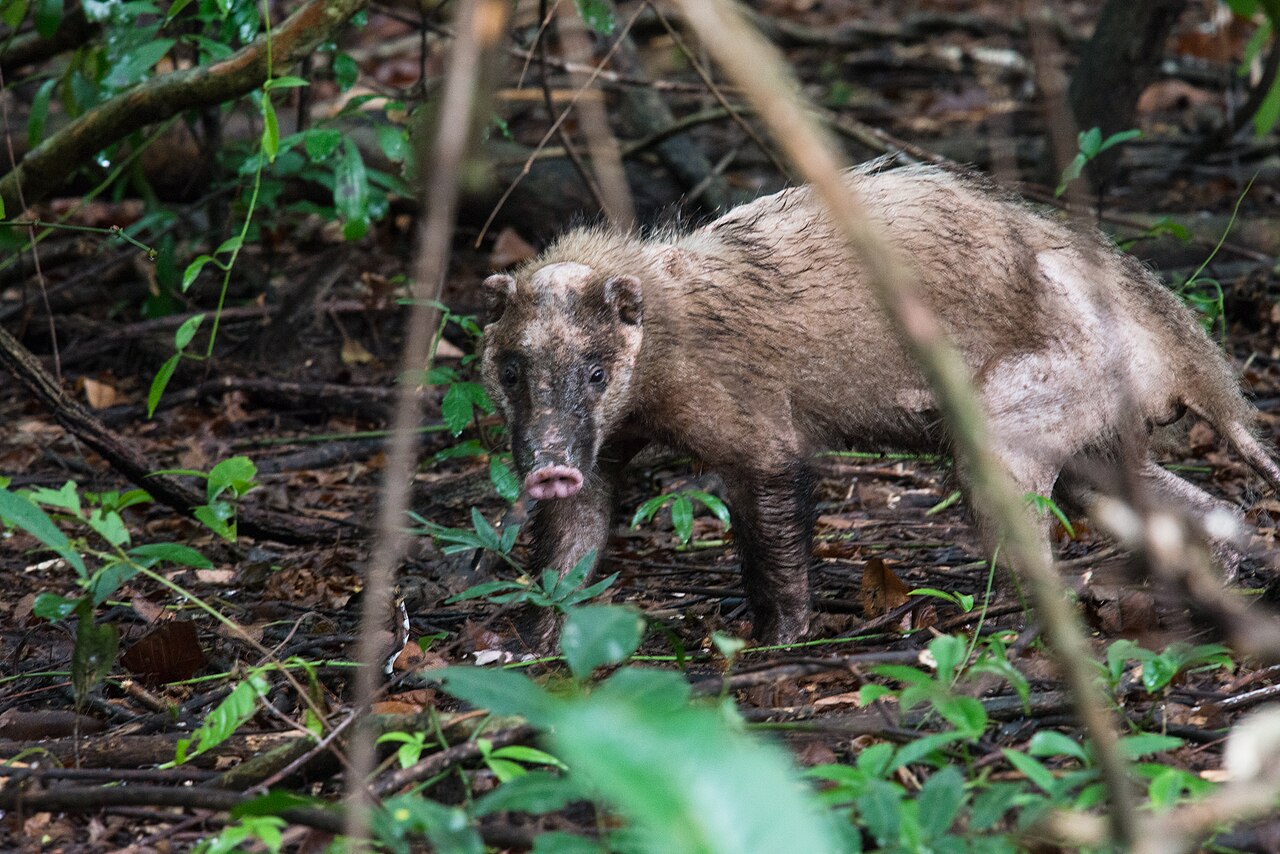
—observations
—countries
—peak records
VulnerableConservation statusIUCN Red List categoriesLCNTVUENCREWEXVulnerableRed List categories, explained →
Diet & preyEarthworms, Beetle larvae, Roots and tubers
Predators
- Tiger
- Leopard
- Dhole
ThreatsIntense poaching via wire snares, hunting for bushmeat and traditional medicine, habitat fragmentation
HabitatsTropical and subtropical moist lowland and montane forests
Life span10–14 years in the wild
Classification
- FamilyMustelidae
- SpeciesArctonyx collaris
Range data is not available yet.
Interaction riskLow
- Low
- Moderate
- High
- Very high
- Why interaction risk is low
- Possesses formidable claws and strong jaws; give wide berth and do not attempt to handle or corner.
- Why it is dangerous
- Equipped with large curved claws and muscular jaws that inflict deep lacerations and severe puncture wounds if cornered.
- How to recognize a risky encounter
- Look for a stocky build, grizzled gray coat, black-and-white facial stripes, and an elongated pinkish snout.
- What to do
- Maintain a generous buffer and never block an individual's path back to its burrow or refuge.
- What to notice
- Recognizable by its pale throat collar contrasting with dark neck fur and stout terrestrial gait.
- Support conservation
- Report snare sightings to local wildlife authorities and refrain from publishing precise GPS coordinates of active dens.
Responsible observation
- Observe from distance: Nocturnal and secretive; view silently with red-light headlamps to avoid disturbance.
- Keep clear of burrows: Avoid treading near extensive diggings to prevent collapsing active underground dens.
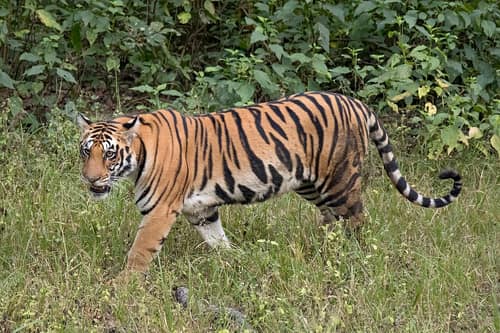
Predator Charles J. Sharp / CC BY-SA 4.0 · cc-by-sa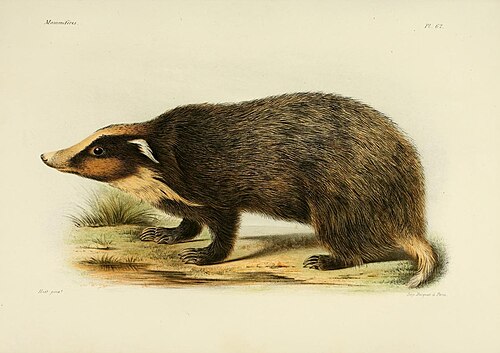
Close Relative Huet; Imp. Becquet; Imprimerie de É. Martinet; Louveau; Mesnel, A.; Milne-Edwards, Alphonse; Milne-Edwards, H.; Severeyns, G. / Public domain · cc0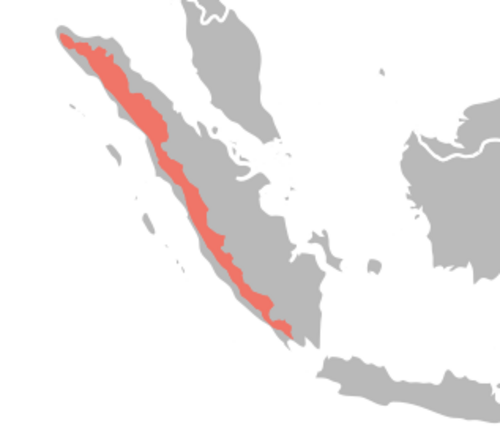
Close Relative PresN / CC BY-SA 3.0 · cc-by-sa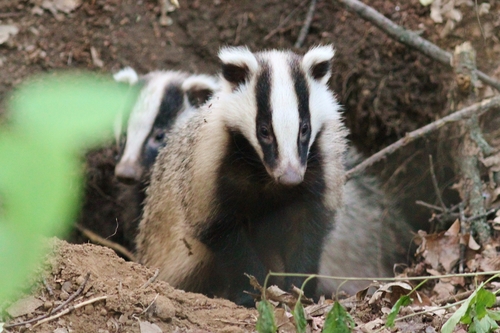
Same Family (c) Алина Урусова, some rights reserved (CC BY), uploaded by Алина Урусова · cc-by
Help improve the field guideSomething wrong?
Checking your Fauna account…Report a name, category, or profile issue for review.