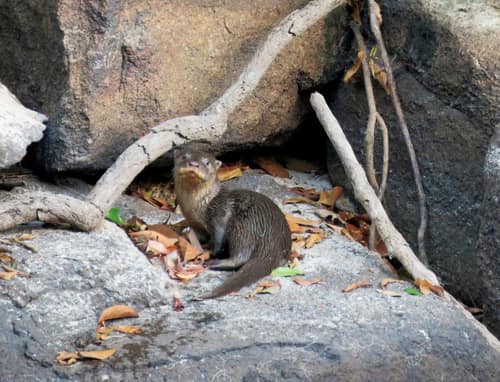
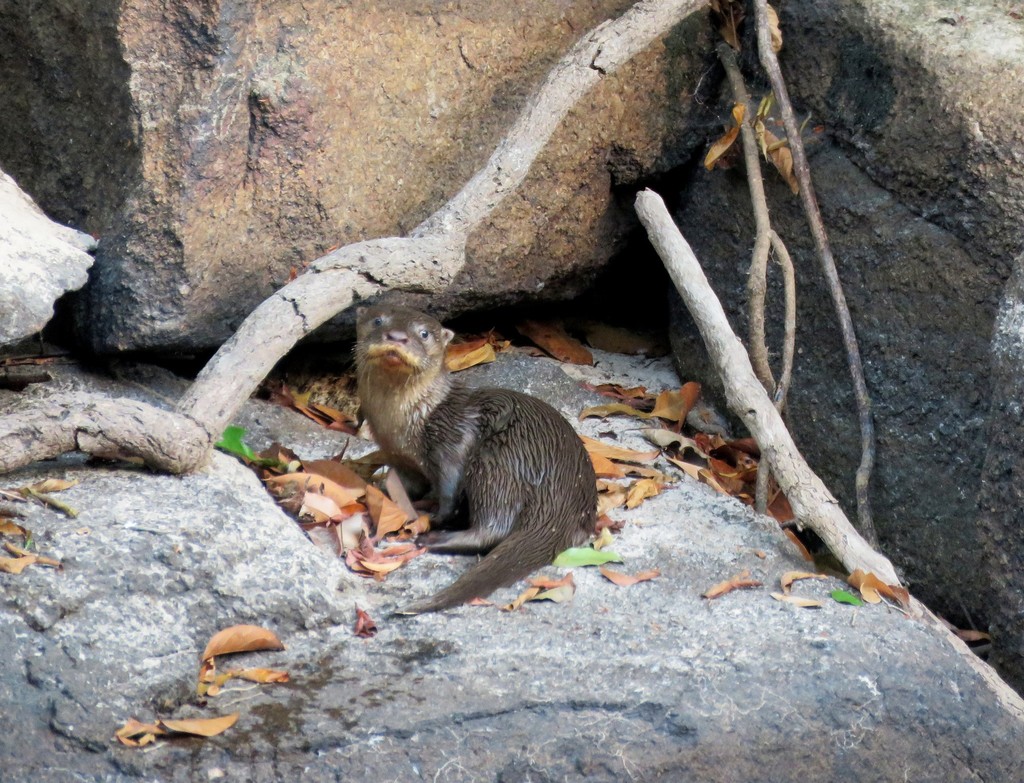
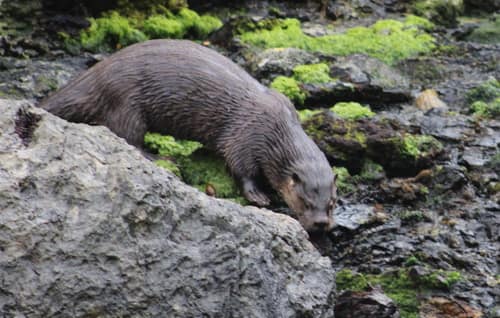
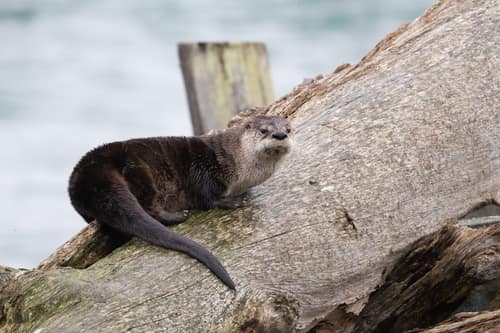
Also known as Neotropical Otter, Neotropical River Otter, South American River Otter
Neotropical river otters are solitary, semi-aquatic hunters that patrol crystal-clear rivers, coastal lagoons, and mountain streams across the Americas. They rely on sensitive vibrissae to detect prey in murky backwaters and use prominent scent marks on riverbank rocks to establish loose territories. Unlike giant otters, they rarely form large social groups, spending most of their adult lives foraging independently and denning in excavated riverbank burrows or rocky crevices.
ThreatsWater pollution, riparian deforestation, dam construction, and poaching
HabitatsFreshwater rivers, streams, coastal lagoons, and flooded forests
Life span10–15 years in the wild
Classification
FamilyMustelidae
SpeciesLontra longicaudis
Range & activity
Native
Safe observation
Interaction riskLow
Low
Moderate
High
Very high
Why interaction risk is low
Can inflict a severe bite if cornered; observe from a respectful distance along riverbanks.
Why it is dangerous
Equipped with strong jaws and sharp canines adapted for crushing crab carapaces, which can cause deep puncture wounds and lacerations if the animal feels trapped.
How to recognize a risky encounter
Recognized by a sleek brown pelt, silver-gray throat, long muscular tail, and prominent webbed feet.
What to do
Maintain a distance of at least 20 meters; never block its access to water or approach den entrances.
What to notice
Medium-sized solitary river otter with a streamlined body, broad flat head, and dark dense fur with a paler throat.
Support conservation
Avoid using motorized watercraft near documented denning areas and keep domestic dogs leashed along riverbanks.
Responsible observation
Binoculars required: Scan rocky outcrops and fallen logs along clear streams early in the morning.
Look for spraints: Identifying latrine sites marked by crab shell fragments helps pinpoint active corridors.
Keep distance: Never attempt to approach dens or corner an animal on land.