
Mammal · GBIF taxon 2433531
White-nosed Coati
Nasua naricaAlso known as Coatimundi
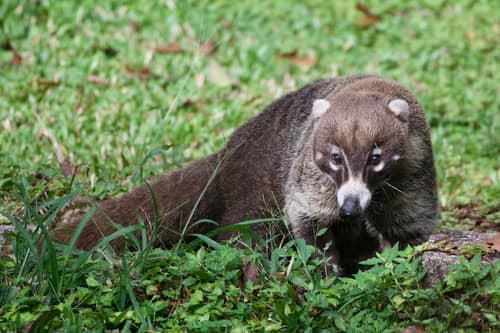
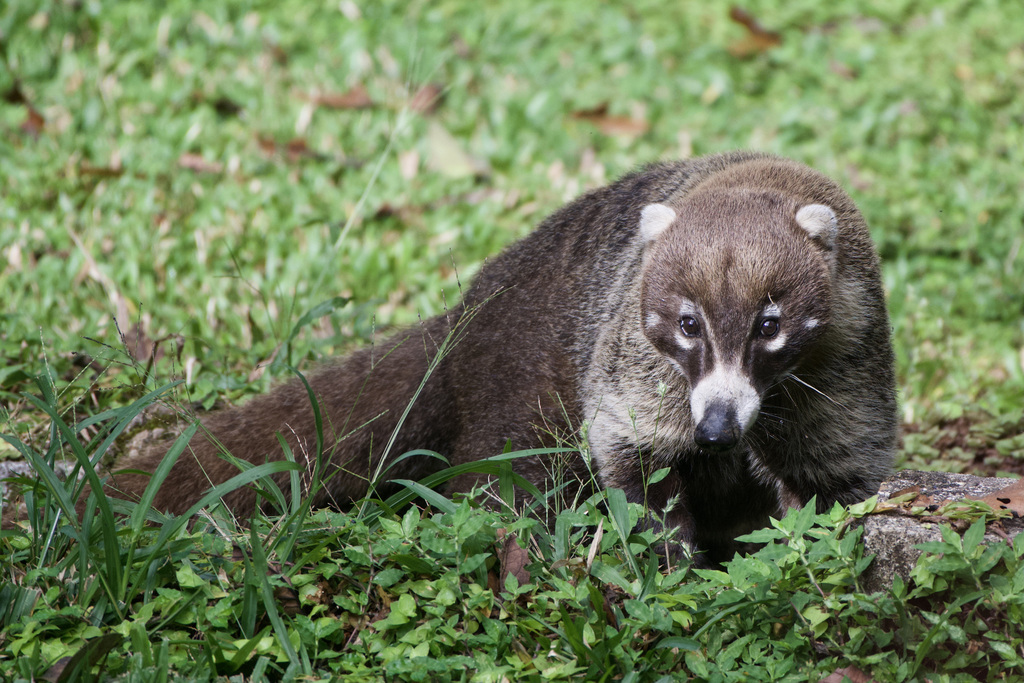
White-nosed Coatis probe leaf litter with flexible snouts while carrying long, faintly banded tails upright. Females and young travel in social bands, whereas adult males commonly forage alone outside the breeding period.
Social ForagerFlexible SnoutRinged Tail
—observations
—countries
—peak records
Least ConcernConservation statusIUCN Red List categoriesLCNTVUENCREWEXLeast ConcernRed List categories, explained →
Diet & prey
- Beetles
- Small vertebrates
- Bird eggs
Predators
- Jaguars
- Pumas
- Large raptors
ThreatsDeforestation, road mortality, hunting, persecution, and conflict caused by feeding
HabitatsTropical forest, pine-oak woodland, scrub, canyon slopes, and wooded parks
Life spanOften 7 to 10 years in the wild, with longer lives possible in managed care
Size / weightNot available
Classification
- OrderCarnivora
- FamilyProcyonidae
- GenusNasua
- SpeciesNasua narica
Native
Interaction riskLow
- Low
- Moderate
- High
- Very high
- Why interaction risk is low
- Cornered or food-conditioned coatis can bite and scratch; never feed, touch, or block their retreat.
- Why it is dangerous
- Sharp canine teeth and strong claws can cause deep punctures and lacerations when a coati feels trapped or expects food.
- How to recognize a risky encounter
- Look for a long flexible pale-tipped snout, dark facial markings, and a lengthy tail with faint rings.
- What to do
- Never feed, pet, corner, or pursue a coati; secure food and leave the animal a broad escape route.
Responsible observation
- Foraging: Watch from afar as the snout turns over loose litter.
- Tail: Follow the upright banded tail to locate animals in low vegetation.
Help improve the field guideSomething wrong?
Checking your Fauna account…Report a name, category, or profile issue for review.