
Mammal · GBIF taxon 2433451
Polar Bear
Ursus maritimusAlso known as White Bear, Ice Bear, Nanuq, Maritime Bear
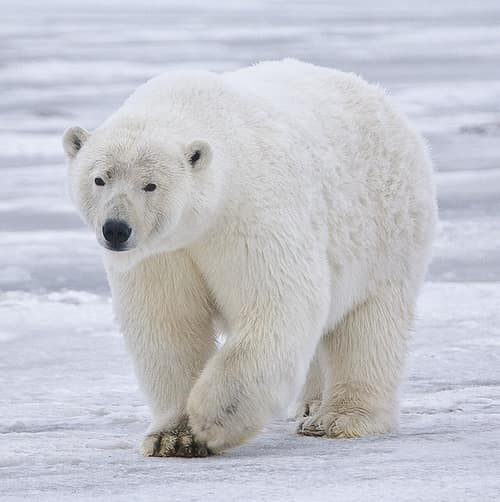
Polar bears are hypercarnivorous marine mammals exquisitely adapted to life atop moving arctic sea ice. They rely on translucent fur and dense black skin to trap solar heat while using massive, partially webbed paws to swim dozens of kilometers between ice floes. During spring, mothers emerge from snow dens with tiny cubs, guiding them onto the pack ice to hunt seals and build vital fat reserves.
Apex PredatorArcticMarine Mammal

—observations
—countries
—peak records
VulnerableConservation statusIUCN Red List categoriesLCNTVUENCREWEXVulnerableRed List categories, explained →
Diet & prey
- Ringed Seal
- Bearded Seal
- Walrus
Predators
- Adult male polar bears (cubs only)
ThreatsSea ice decline from global climate warming, industrial disturbance, marine pollutants
HabitatsArctic pack ice, coastal tundra, open marine waters
Life span15–25 years in the wild
Size / weightNot available
Classification
- OrderCarnivora
- FamilyUrsidae
- GenusUrsus
- SpeciesUrsus maritimus
Native
Interaction riskHigh
- Low
- Moderate
- High
- Very high
- Why interaction risk is high
- Powerful apex predator that poses a lethal risk; keep extreme distance and view only with polar guides.
- Why it is dangerous
- As an apex predator, it possesses immense physical strength and views humans as potential prey in sparse arctic environments.
- How to recognize a risky encounter
- Massive bear with creamy white fur, a long neck, black nose, and broad paws covered in traction papillae.
- What to do
- Never approach on foot, carry deterrence gear in polar regions, and follow strict polar safety protocols.
- What to notice
- Solitary white bears moving across pack ice, coastal shorelines, or swimming in frigid arctic waters.
- Support conservation
- Maintain a respectful distance to avoid stressing bears or forcing them to burn critical calorie reserves.
Responsible observation
- Observation Safety: View polar bears only from an armored tundra vehicle or aboard a guided arctic vessel.
- Deterrence Protocols: Always travel in polar territory with experienced guides carrying flare guns and bear spray.
- Avoid Disturbance: Keep quiet and maintain distance to prevent driving bears away from hard-won seal kills.
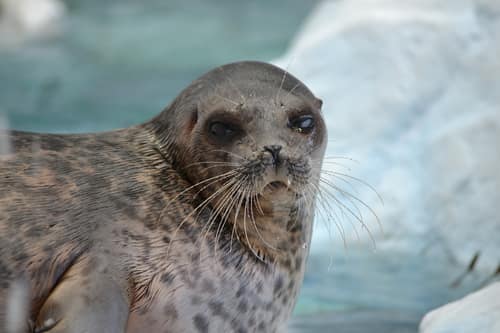
Primary Prey (c) Kingfisher, some rights reserved (CC BY-SA) · cc-by-sa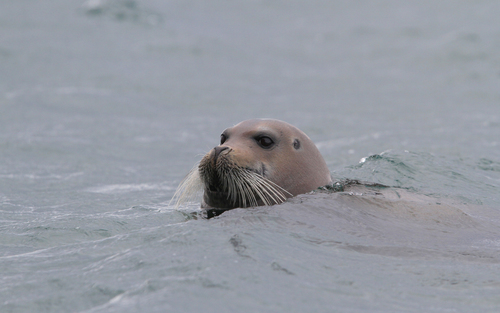
Prey (c) Christoph Moning, some rights reserved (CC BY), uploaded by Christoph Moning · cc-by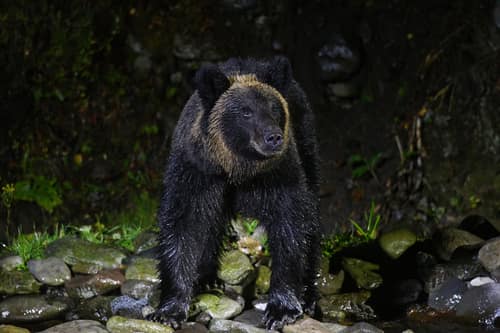
Close Relative (c) Nathan Ruser, some rights reserved (CC BY), uploaded by Nathan Ruser · cc-by
Help improve the field guideSomething wrong?
Checking your Fauna account…Report a name, category, or profile issue for review.