
Mammal · GBIF taxon 2433401
Spectacled Bear
Tremarctos ornatusAlso known as Andean Bear, South American Bear, Andean Short-faced Bear
Spectacled bears navigate the steep slopes and cloud forests of the Andes, using their powerful claws to scale tall trees in search of bromeliads, palm hearts, and fruit. These solitary mammals construct arboreal platforms out of snapped branches to rest and feed high above the forest floor. As South America's only native bear, their distinctive facial markings of white or yellowish rings vary greatly between individuals, making each bear uniquely recognizable.
HerbivorousArborealSolitary
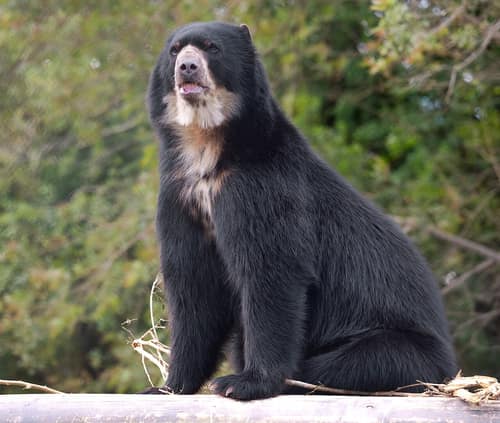
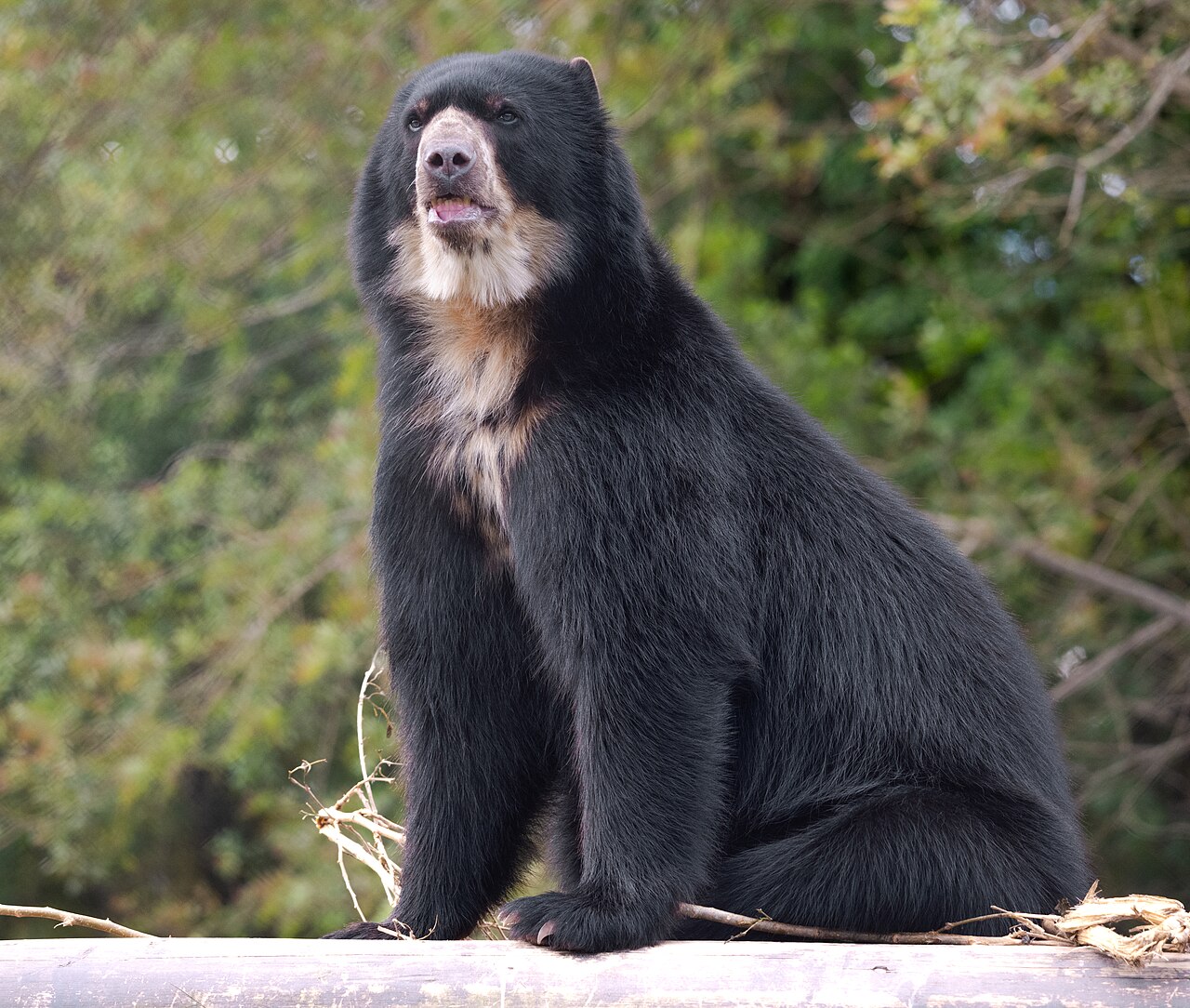
—observations
—countries
—peak records
VulnerableConservation statusIUCN Red List categoriesLCNTVUENCREWEXVulnerableRed List categories, explained →
Diet & prey
- Bromeliads
- Palm Hearts
- Wild Fruits
Predators
- Jaguar
- Puma
ThreatsHabitat fragmentation, agricultural expansion, poaching, and human-wildlife conflict
HabitatsCloud forests, high-altitude grasslands (páramo), dry scrublands along the Andes
Life span20–25 years in the wild
Size / weightNot available
Classification
- FamilyUrsidae
- SpeciesTremarctos ornatus
Range data is not available yet.
Interaction riskHigh
- Low
- Moderate
- High
- Very high
- Why interaction risk is high
- Large mammal capable of self-defense; keep a safe distance and never approach, especially mothers with cubs.
- Why it is dangerous
- Massive physical strength and strong jaws can inflict fatal crushing injuries or bite wounds if threatened.
- How to recognize a risky encounter
- Look for shaggy dark fur with prominent yellowish-white facial rings around the eyes and snout.
- What to do
- Give any bear a wide berth, avoid making sudden movements, and never get between a mother and her cubs.
- What to notice
- Identified by its stocky build, short snout, and unique cream-colored facial rings in Andean forest trails.
- Support conservation
- Report sightings to local conservation groups and keep remote mountain habitats undisturbed.
Responsible observation
- Keep Distance: Maintain a distance of at least 100 meters if encountered in the wild.
- Secure Food: Use bear-proof containers when camping in Andean backcountry to prevent habituation.
- Do Not Corner: Give the bear a clear escape route if you encounter one on a forest trail.
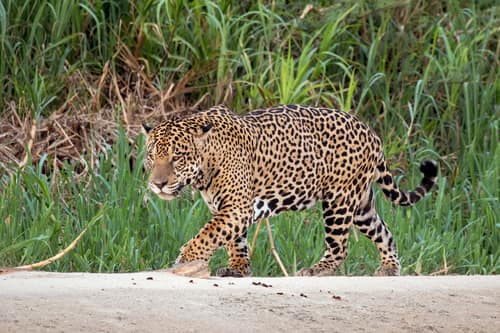
Competitor (c) Charles J. Sharp , some rights reserved (CC BY-SA) · cc-by-sa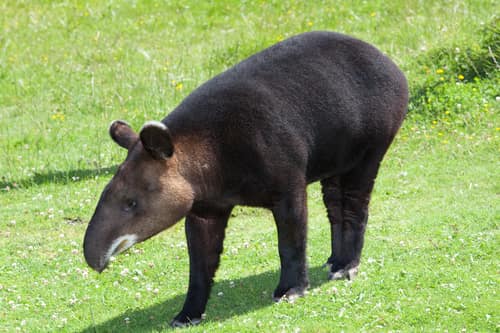
Frequent Companion (c) David Sifry, some rights reserved (CC BY) · cc-by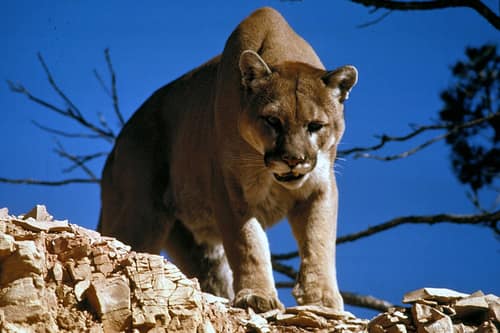
Competitor National Park Service / Public domain · cc0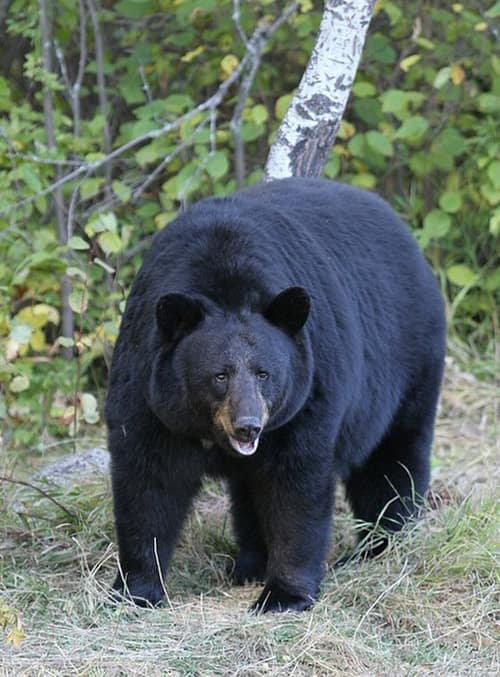
Close Relative Diginatur / CC BY-SA 3.0 · cc-by-sa
Help improve the field guideSomething wrong?
Checking your Fauna account…Report a name, category, or profile issue for review.