
Mammal · GBIF taxon 2433395
Sloth Bear
Melursus ursinusAlso known as Indian Bear, Labiliated Bear, Stickney Bear
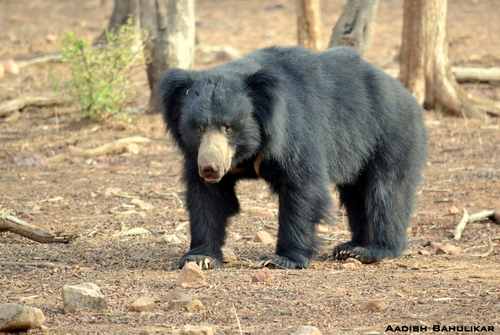
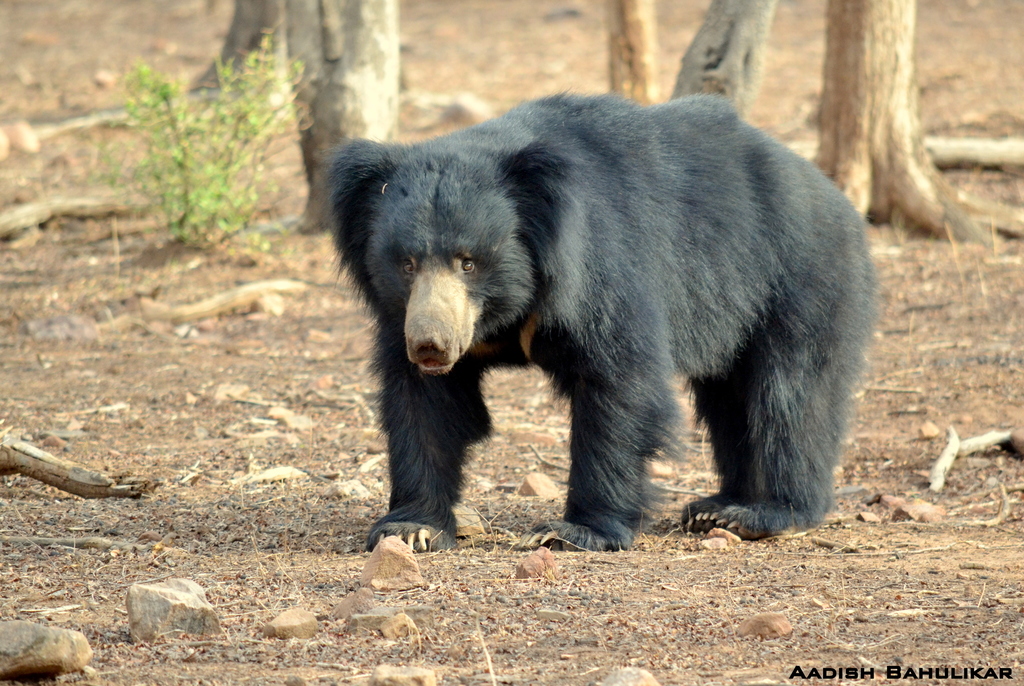
Sloth bears feature shaggy black fur, long pale claws, and specialized hairless lips that form a tube to vacuum up thousands of termites in a single breath. Mothers carry their tiny cubs on their backs while foraging, a unique habit among Asian bear species that helps protect young from tigers and leopards. Due to poor eyesight and hearing, these powerful mammals rely on a keen sense of smell and can become fiercely defensive when startled at close range.
NocturnalMyrmecophagousMammal
—observations
—countries
—peak records
VulnerableConservation statusIUCN Red List categoriesLCNTVUENCREWEXVulnerableRed List categories, explained →
Diet & prey
- Termites
- Ants
- Wild Fruits
Predators
- Bengal Tiger
- Indian Leopard
ThreatsHabitat loss, human-wildlife conflict, and poaching
HabitatsTropical dry forests, scrublands, and grasslands
Life span20–25 years in the wild
Size / weightNot available
Classification
- FamilyUrsidae
- SpeciesMelursus ursinus
Range data is not available yet.
Interaction riskHigh
- Low
- Moderate
- High
- Very high
- Why interaction risk is high
- Highly defensive and easily startled; maintain a distance of at least 50 meters at all times.
- Why it is dangerous
- Poor eyesight and hearing make them prone to startling and launching swift, severe defensive attacks against people.
- How to recognize a risky encounter
- Look for a shaggy black coat, long whitish claws, flexible snout, and a pale V-shaped chest mark.
- What to do
- If encountered on foot, avoid sudden movements, speak in a calm voice, and slowly back away without running.
- What to notice
- Recognizable by termite-digging signs along forest trails and loud vacuum-like sucking sounds while feeding.
- Support conservation
- Report sightings to forestry personnel and refrain from broadcasting real-time GPS locations.
Responsible observation
- Maintain Distance: Observe from a safari vehicle or a distance of at least 50 meters.
- Avoid Startling: Make mild noise when walking through dense scrubland to prevent close encounters.
- Never Corner: Always leave an open exit route so the animal does not feel trapped.
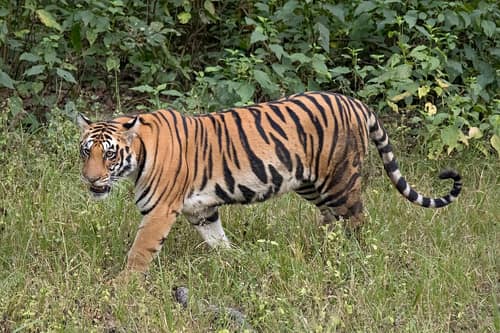
Apex Predator Charles J. Sharp / CC BY-SA 4.0 · cc-by-sa
Close Relative Rushenb / CC BY-SA 4.0 · cc-by-sa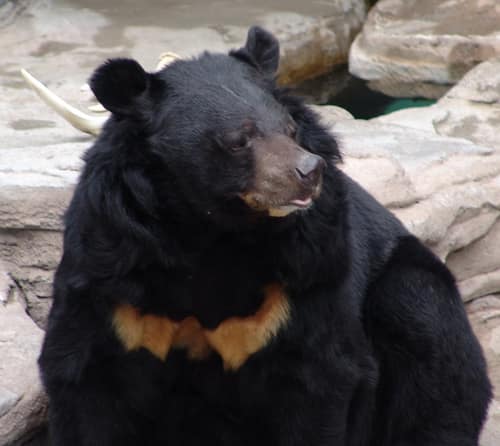
Co-occurring Relative "Asiatic Black Bear {Ursus thibetanus}" by Drew Avery is licensed under CC BY 2.0. To view a copy of this license, visit https://creativecommons.org/licenses/by/2.0/. · cc-by
Help improve the field guideSomething wrong?
Checking your Fauna account…Report a name, category, or profile issue for review.