
Mammal · GBIF taxon 2433391
Western Long-beaked Echidna
Zaglossus bruijniAlso known as Bruijn's Long-beaked Echidna, Western Echidna
Western long-beaked echidnas are solitary, egg-laying monotremes equipped with a downward-curving beak and a specialized tongue armed with tiny spines to hook soil invertebrates. Primarily active at night or during twilight, they forage across the mossy floor of montane cloud forests, using powerful digging claws to unearth food from deep soil and rotting logs. Decades of habitat loss and hunting pressure with trained tracking dogs have driven their populations into steep decline across the Vogelkop Peninsula.
MonotremeNocturnalEndangered
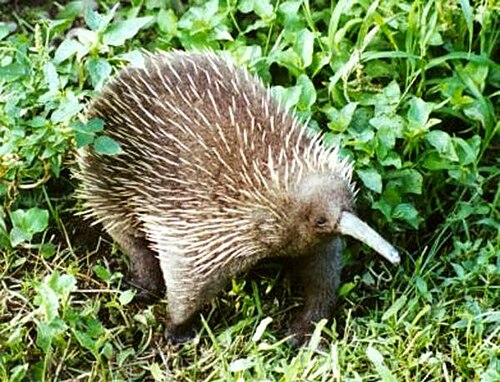
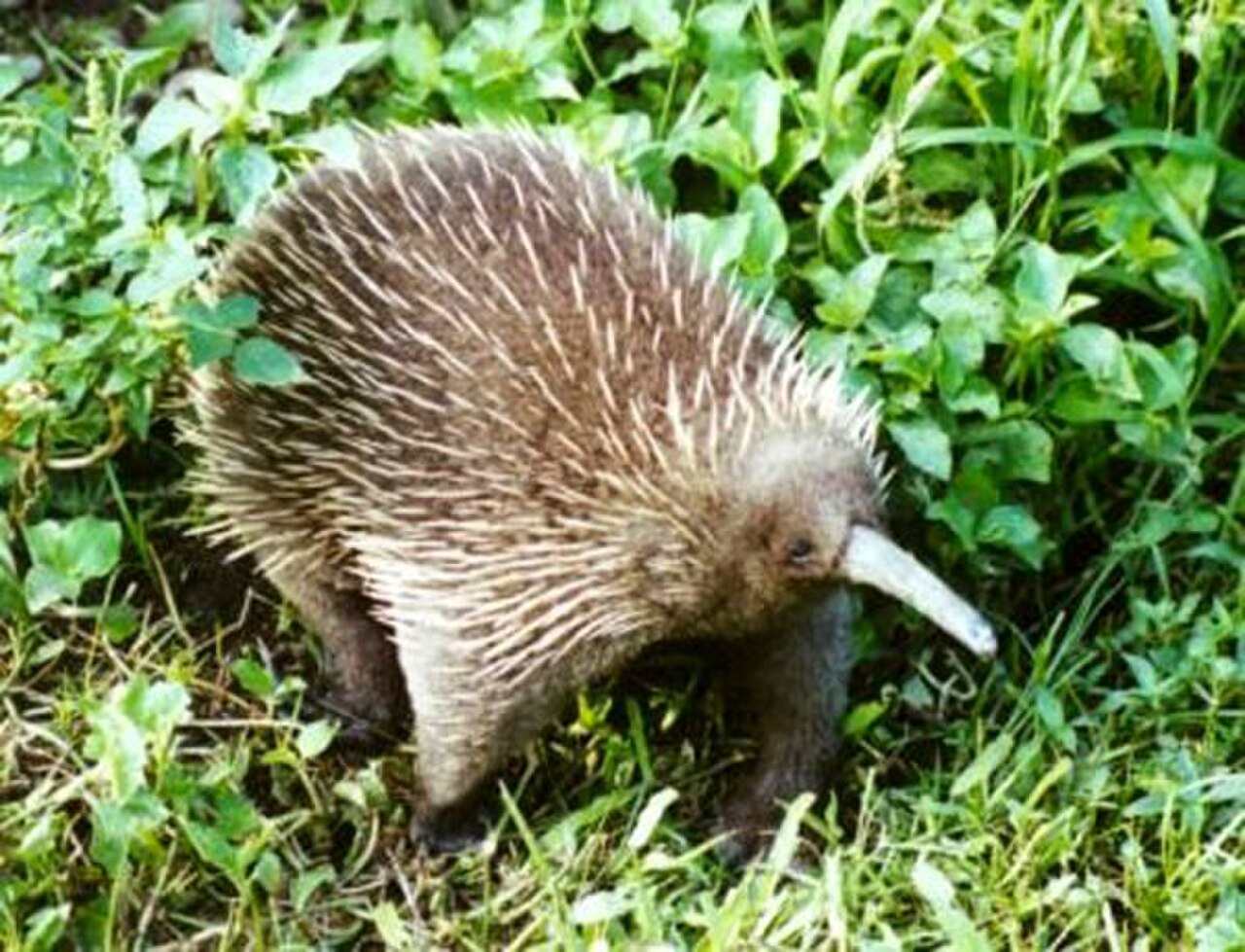
Licensed referenceUser:Jaganath / CC BY-SA 3.0 · cc-by-sa
—observations
—countries
—peak records
Critically EndangeredConservation statusIUCN Red List categoriesLCNTVUENCREWEXCritically EndangeredRed List categories, explained →
Diet & prey
- Earthworms
- Insect Larvae
- Centipedes
Predators
- Human
- Feral Dog
- New Guinea Singing Dog
ThreatsOverhunting for food, agricultural encroachment, and deforestation
HabitatsTropical montane cloud forests, alpine meadows, and secondary moss forests
Life span30–50 years in captivity
Classification
- FamilyTachyglossidae
- SpeciesZaglossus bruijni
Range data is not available yet.
Interaction riskLow
- Low
- Moderate
- High
- Very high
- Why interaction risk is low
- Safe to observe at a normal distance.
- What to notice
- Recognized by its long, downturned snout, brown fur interspersed with short white spines, and large digging claws.
- Support conservation
- Keep a respectful distance, keep tracking dogs leashed, and avoid sharing exact coordinates publicly.
Responsible observation
- Maintain quiet distance: Long-beaked echidnas possess keen hearing and will freeze or curl defensively if startled.
- Do not handle: Sharp burrowing claws and defensive spines can cause deep scratches if the animal is restrained.
- Report sightings: Document any field encounters with local wildlife authorities to support regional conservation records.
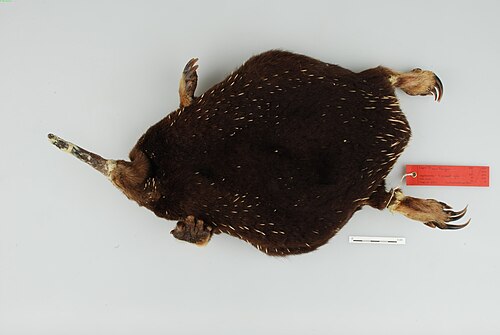
Same Genus Naturalis Biodiversity Center / CC0 · cc0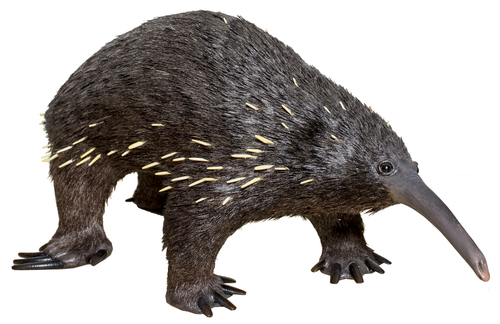
Same Genus (c) anonymous, some rights reserved (CC BY-SA) · cc-by-sa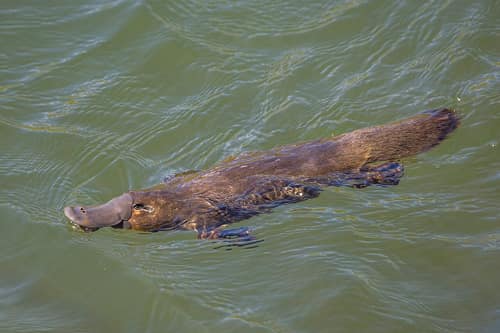
Fellow Monotreme Charles J. Sharp / CC BY-SA 4.0 · cc-by-sa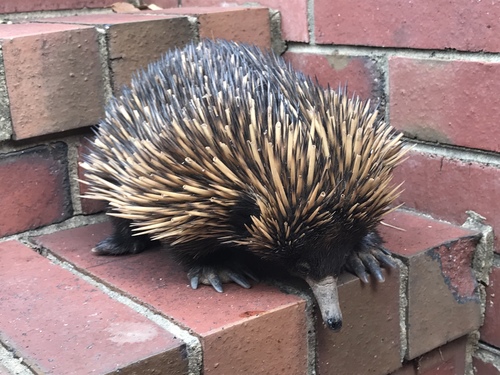
Close Relative no rights reserved · cc0
Help improve the field guideSomething wrong?
Checking your Fauna account…Report a name, category, or profile issue for review.