
Mammal · GBIF taxon 2433378
Short-beaked Echidna
Tachyglossus aculeatusAlso known as Common Echidna, Short-Nosed Echidna
Covered in a dense coat of tough keratin spines interspersed with insulating fur, short-beaked echidnas are solitary monotremes adapted to nearly every Australian habitat. They use a sticky, rapid-fire tongue and acute scent perception to extract thousands of ants and termites from soil or decaying logs each day. When threatened, these robust diggers quickly burrow straight downward or curl into an impenetrable spiky ball.
MonotremeEgg-Laying MammalSpiny
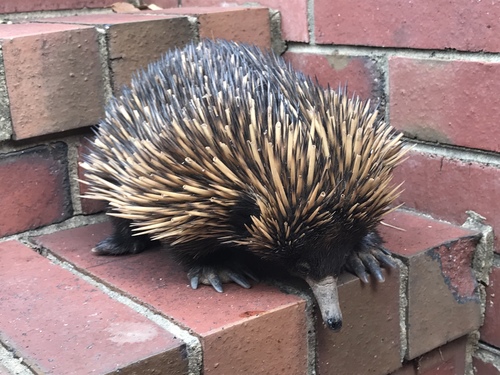
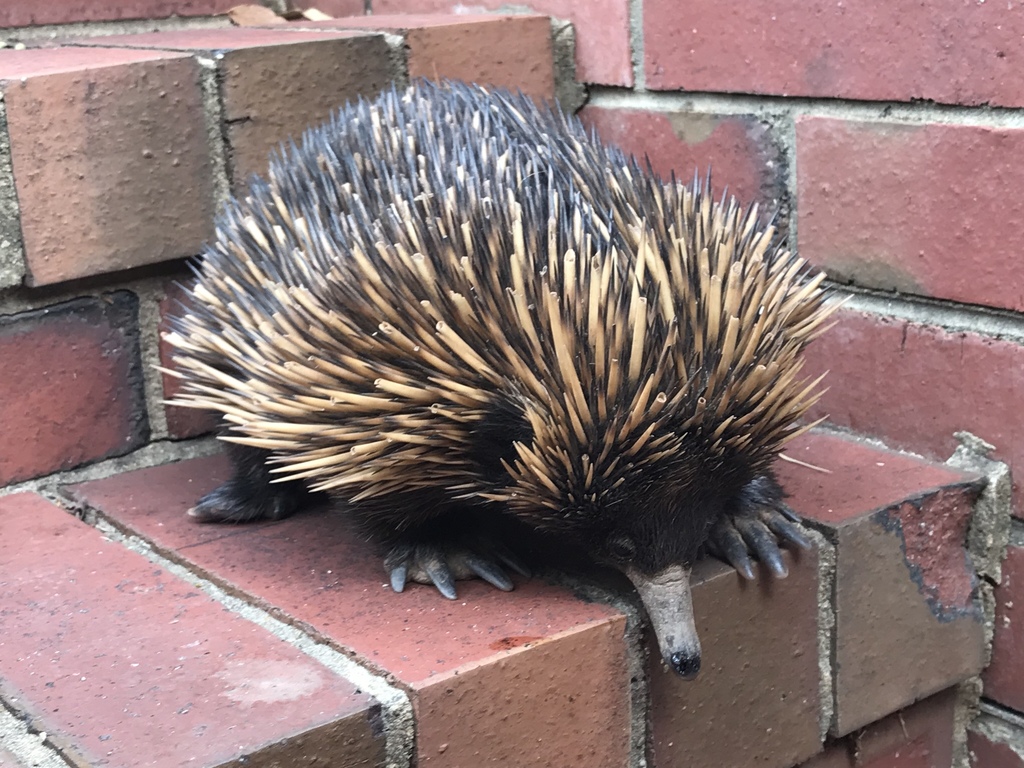
—observations
—countries
—peak records
Least ConcernConservation statusIUCN Red List categoriesLCNTVUENCREWEXLeast ConcernRed List categories, explained →
Diet & prey
- Ants
- Termites
- Insect Larvae
Predators
- Dingo
- Red Fox
- Feral Cat
ThreatsVehicle strikes, habitat destruction, predation by introduced species
HabitatsWoodlands, forests, grasslands, heathlands, deserts
Life span15–40 years in the wild
Size / weightNot available
Classification
- FamilyTachyglossidae
- SpeciesTachyglossus aculeatus
Range data is not available yet.
Interaction riskLow
- Low
- Moderate
- High
- Very high
- Why interaction risk is low
- Safe to observe at a normal distance without disturbing its foraging.
Responsible observation
- Observation distance: Keep several meters away so the echidna continues foraging without curling up.
- Road safety: Watch roadsides carefully in rural regions, especially during cool dusk hours.
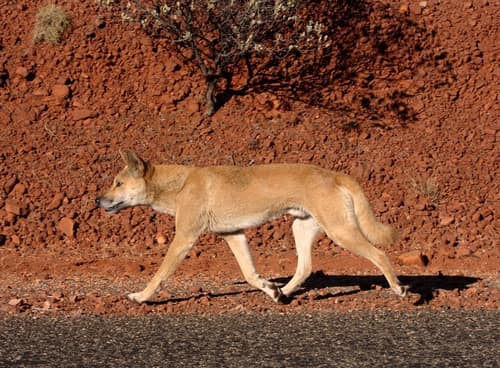
Predator Jarrod Amoore from Sydney, Australia / CC BY 2.0 · cc-by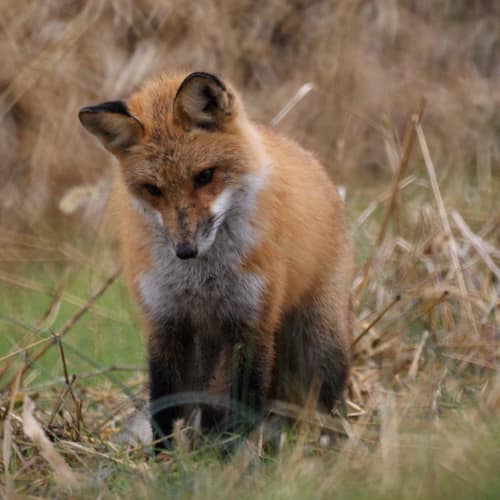
Predator "Red Fox" by Mike's Birds is licensed under CC BY-SA 2.0. To view a copy of this license, visit https://creativecommons.org/licenses/by-sa/2.0/. · cc-by-sa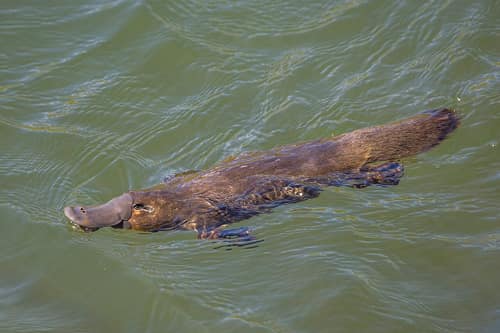
Monotreme Relative Charles J. Sharp / CC BY-SA 4.0 · cc-by-sa
Help improve the field guideSomething wrong?
Checking your Fauna account…Report a name, category, or profile issue for review.