
Mammal · GBIF taxon 2433376
Platypus
Ornithorhynchus anatinusAlso known as Duck-Billed Platypus, Duckbill
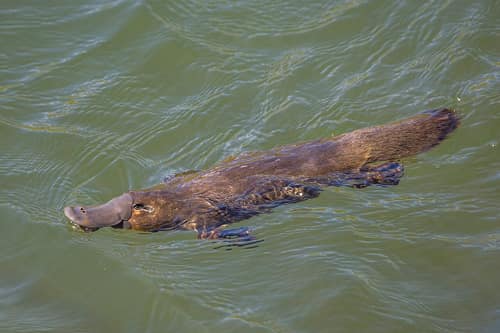
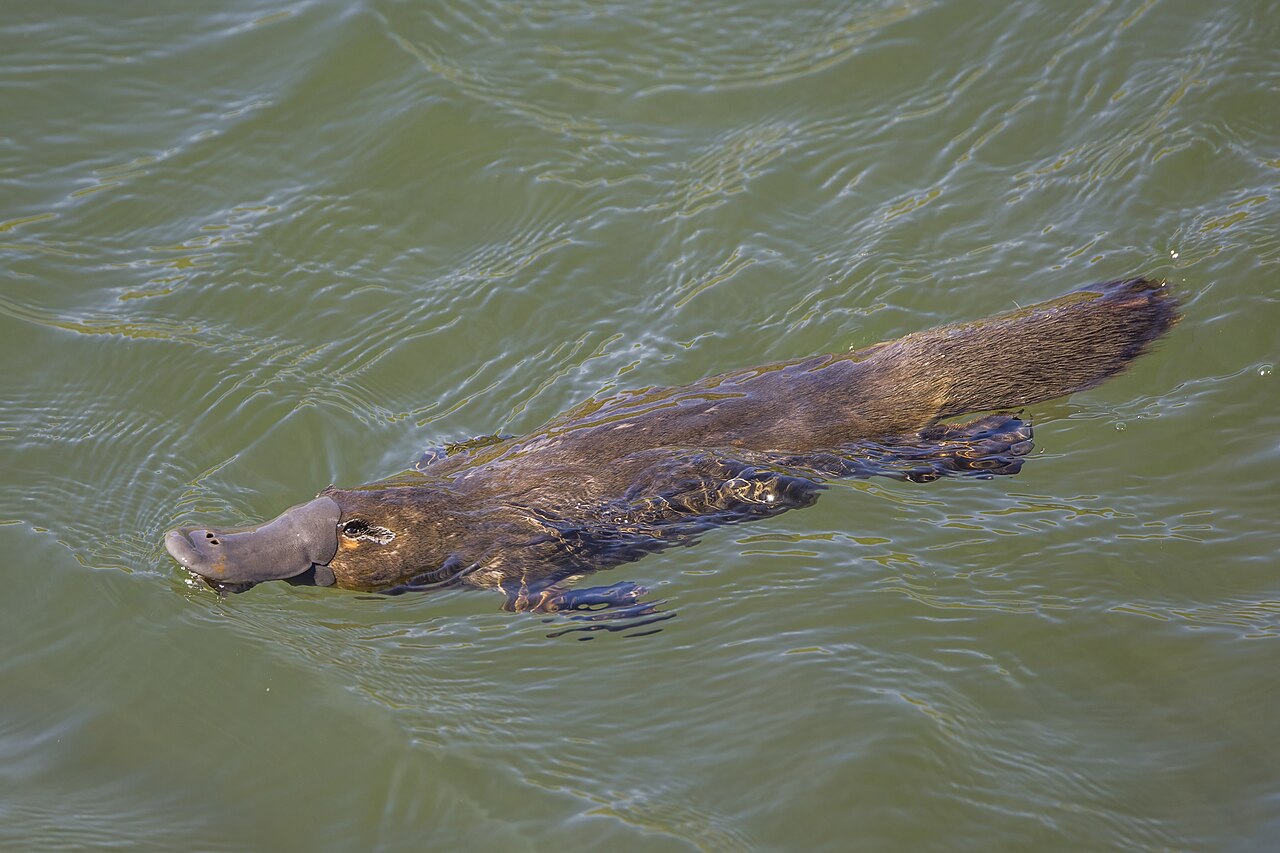
Platypuses are extraordinary aquatic monotremes that hunt underwater with their eyes, ears, and nostrils closed, relying entirely on electroreceptors in their leathery bills to detect prey movements. Males possess sharp, venomous spurs on their hind ankles used primarily in territorial combat during the spring breeding season. Females dig extensive nesting burrows in riverbanks where they lay soft-shelled eggs and nurse hatchlings with milk secreted directly onto their belly fur.
VenomousSemi-AquaticEgg-Laying
—observations
—countries
—peak records
Near ThreatenedConservation statusIUCN Red List categoriesLCNTVUENCREWEXNear ThreatenedRed List categories, explained →
Diet & prey
- Crayfish
- Insect Larvae
- Freshwater Shrimp
Predators
- Red Fox
- Australian Water Rat
- Lace Monitor
ThreatsHabitat degradation, river damming, extreme drought, and entanglement in fish nets
HabitatsFreshwater streams, rivers, lagoons, and farm dams
Life span10–20 years in the wild
Size / weightNot available
Classification
- OrderMonotremata
- FamilyOrnithorhynchidae
- GenusOrnithorhynchus
- SpeciesOrnithorhynchus anatinus
Range data is not available yet.
Interaction riskVery high
- Low
- Moderate
- High
- Very high
- Why interaction risk is very high
- Males carry venomous spurs on their hind legs that cause severe pain; do not handle wild individuals.
- Why it is dangerous
- Males possess calcaneus spurs connected to venom glands that inflict agonizing, long-lasting pain that resists standard analgesics.
- How to recognize a risky encounter
- Look for a sleek, dark brown mammal with a flat bill and broad tail swimming in freshwater stream pools.
- What to do
- Never attempt to capture or handle a platypus; observe from riverbanks with binoculars.
- What to notice
- Identified by its paddle tail, dark fur, and distinct bow wave on calm water surfaces at twilight.
- Support conservation
- Watch quietly from riverbanks without using flashlights or making loud noises near nesting burrows.
Responsible observation
- Best Viewing Times: Search quiet river pools at dawn or dusk when platypuses actively forage for food.
- Look for Ripples: Watch for characteristic bow-wave ripples on calm water surfaces when individuals surface to breathe.
- Maintain Distance: Stay still on elevated riverbanks to avoid scaring foraging individuals back into burrows.
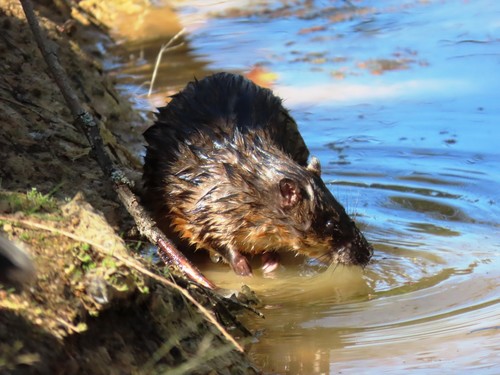
Competitor (c) Elspeth Swan, some rights reserved (CC BY), uploaded by Elspeth Swan · cc-by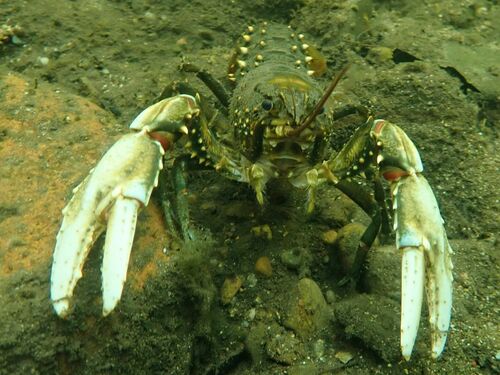
Prey (c) coenobita, some rights reserved (CC BY), uploaded by coenobita · cc-by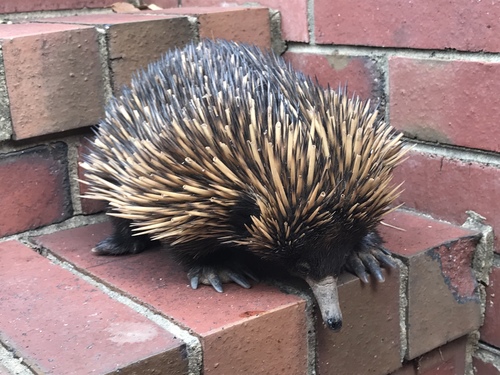
Close Relative no rights reserved · cc0
Help improve the field guideSomething wrong?
Checking your Fauna account…Report a name, category, or profile issue for review.