
Mammal · GBIF taxon 2433312
Lesser Long-nosed Bat
Leptonycteris yerbabuenaeAlso known as Sanborn's Long-nosed Bat
Lesser long-nosed bats are crucial nocturnal pollinators that follow a nectar corridor of flowering agaves and cacti from southern Mexico into the American Southwest each spring. Their long, brush-tipped tongues extract nectar and pollen from columnar blooms, dusting their fur and facilitating cross-pollination across arid landscapes. Female bats gather by the tens of thousands in maternity caves where they raise single pups in dense, warm nurseries before migrating south for winter.
NectarivoreMigratoryPollinator
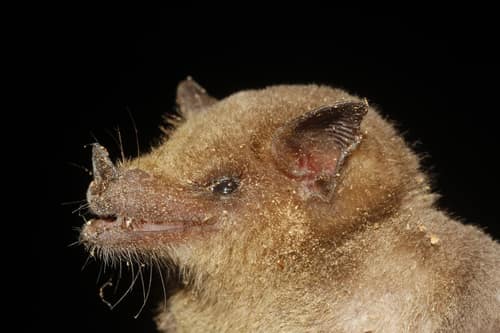
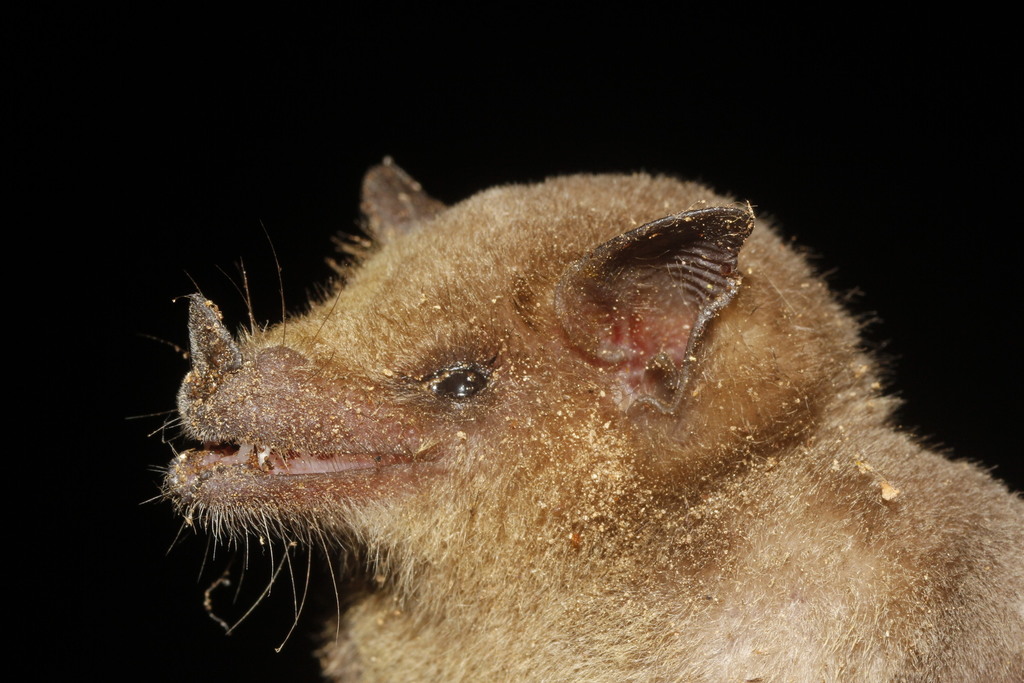
—observations
—countries
—peak records
Near ThreatenedConservation statusIUCN Red List categoriesLCNTVUENCREWEXNear ThreatenedRed List categories, explained →
Diet & prey
- Agave nectar
- Cactus nectar
- Cactus fruit
Predators
- Owls
- Snakes
- Falcons
ThreatsRoost disturbance, cave destruction, and agave harvest
HabitatsDeserts, arid scrublands, and tropical deciduous forests
Life span10–12 years
Size / weightNot available
Classification
- FamilyPhyllostomidae
- SpeciesLeptonycteris yerbabuenae
Range data is not available yet.
Interaction riskModerate
- Low
- Moderate
- High
- Very high
- Why interaction risk is moderate
- Can carry rabies and transmit pathogens if handled; avoid contact and do not enter roost caves.
- Why it is dangerous
- Bites can transmit the rabies virus, while fungal spores in accumulated cave guano can cause respiratory illness.
- How to recognize a risky encounter
- Recognized by a small nose leaf, elongated muzzle, grey-brown fur, and lack of a visible tail.
- What to do
- Never touch a grounded or roosting bat, and maintain distance from known roosting caves.
- What to notice
- Medium-sized bats hovering around night-blooming desert flowers and entering dark cave fissures.
- Support conservation
- Refrain from entering maternity caves between April and August to prevent colony abandonment.
Responsible observation
- Roost Etiquette: Stay clear of cave entrances at dusk to allow colonies to emerge undisturbed.
- Night Observation: Use red lighting to observe flowering agaves without disrupting night visits.

Pollination Partner WClarke / CC BY-SA 3.0 · cc-by-sa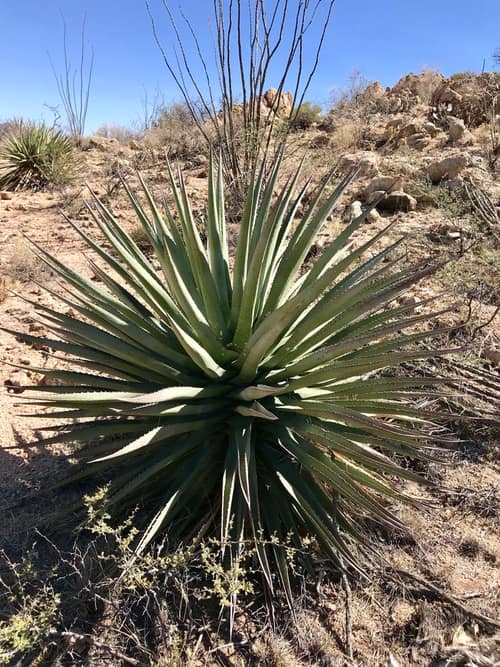
Host Plant (c) CK2AZ, some rights reserved (CC BY), uploaded by CK2AZ · cc-by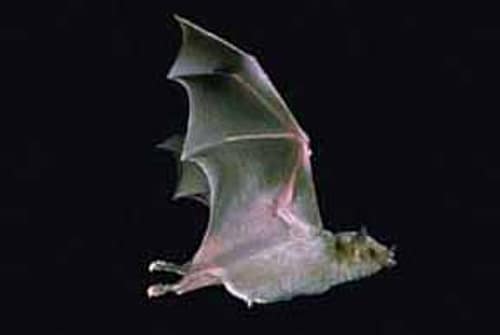
Close Relative Joelr31~commonswiki (talk · contribs) / Public domain · cc0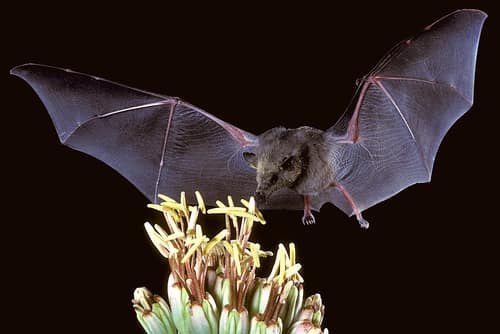
Close Relative U.S. Fish and Wildlife Service Headquarters / Public domain · cc0
Help improve the field guideSomething wrong?
Checking your Fauna account…Report a name, category, or profile issue for review.