
Mammal
Common Vampire Bat
Desmodus rotundusAlso known as Vampire Bat
Common vampire bats form intricate social colonies inside caves and hollow trees, recognizing fellow roost-mates by voice and regurgitating blood meals to starving neighbors. Agile runners and leapers on the ground, they stalk resting livestock under cover of darkness before making painless shallow incisions using razor-sharp incisors. Specialized infrared heat sensors on their nose leaves guide them directly to warm capillary beds beneath their target's skin.
NocturnalMammalSocial
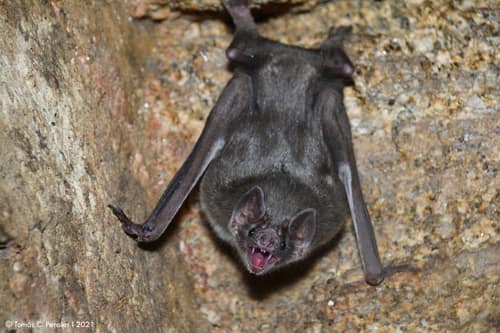
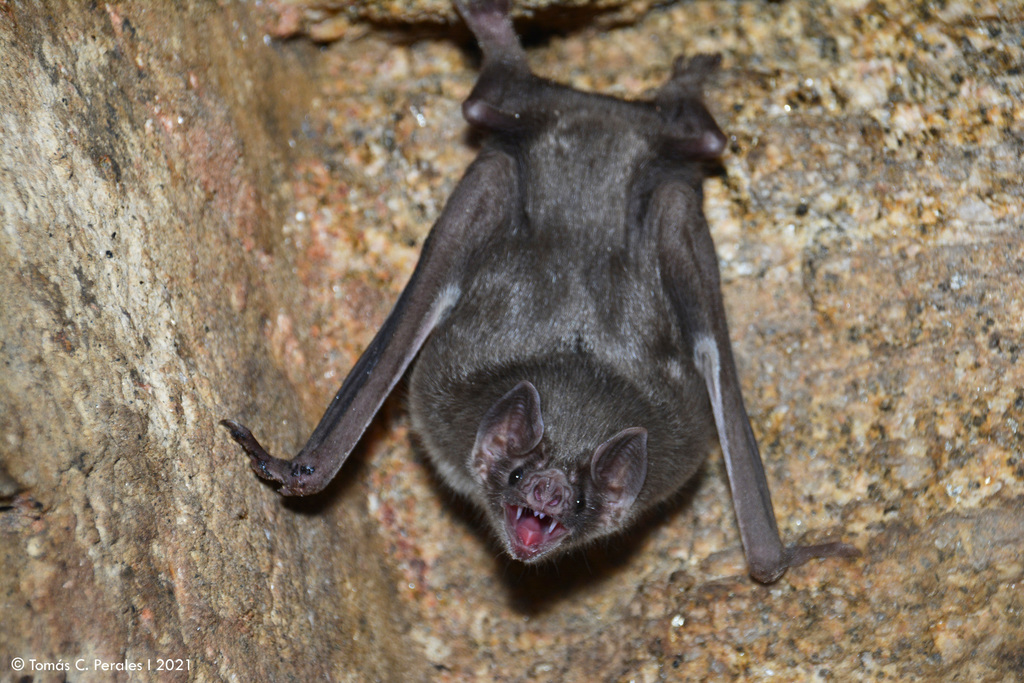
—observations
—countries
—peak records
Least ConcernConservation statusIUCN Red List categoriesLCNTVUENCREWEXLeast ConcernRed List categories, explained →
Diet & preyCattle, Horses, Feral Swine
Predators
- Barn Owl
- Striped Owl
- Cat-eyed Snake
ThreatsRetaliatory culling by ranchers, cave vandalism, habitat fragmentation
HabitatsTropical dry and moist forests, scrublands, caves, hollow trees
Life span9–12 years in the wild
Classification
- FamilyPhyllostomidae
- SpeciesDesmodus rotundus
Native
Interaction riskModerate
- Low
- Moderate
- High
- Very high
- Why interaction risk is moderate
- Can transmit rabies and deliver sharp defensive bites; never handle and observe only from a safe distance.
- Why it is dangerous
- Vampire bats are documented reservoirs of the deadly rabies virus, transmitting the fatal pathogen through saliva during bites.
- How to recognize a risky encounter
- Distinguished by an elongated thumb claw used for quadrupedal walking, missing tail, and reduced fleshy nose leaf.
- What to do
- Never touch or trap bats; seek immediate emergency post-exposure medical prophylaxis if bitten or scratched.
Responsible observation
- Roost etiquette: Do not enter active roost caves, as torchlight and loud noises induce mass panic.
- Livestock care: Protect pastured livestock with screening and ensure domestic animals have current rabies vaccinations.
- Grounded bats: Never touch a grounded bat with bare hands; contact local wildlife officials for safe removal.
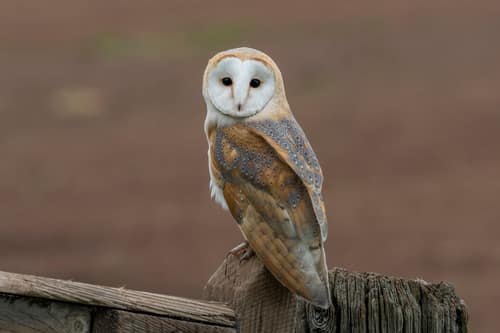
Predator (c) caroline legg, some rights reserved (CC BY) · cc-by Image unavailable
Close Relative Close Relative Same Family
Help improve the field guideSomething wrong?
Checking your Fauna account…Report a name, category, or profile issue for review.